
team.build()
team.build()
team.build() represents the complete specification for constructing high-performing teams, where team members themselves are the builders. Using LEGO® SERIOUS PLAY® methodology, teams literally construct their path to excellence through hands-on exploration of four core modules. Like any well-architected system, each module builds upon the previous one, with teams physically discovering and implementing their unique solutions brick by brick.
Connect
-
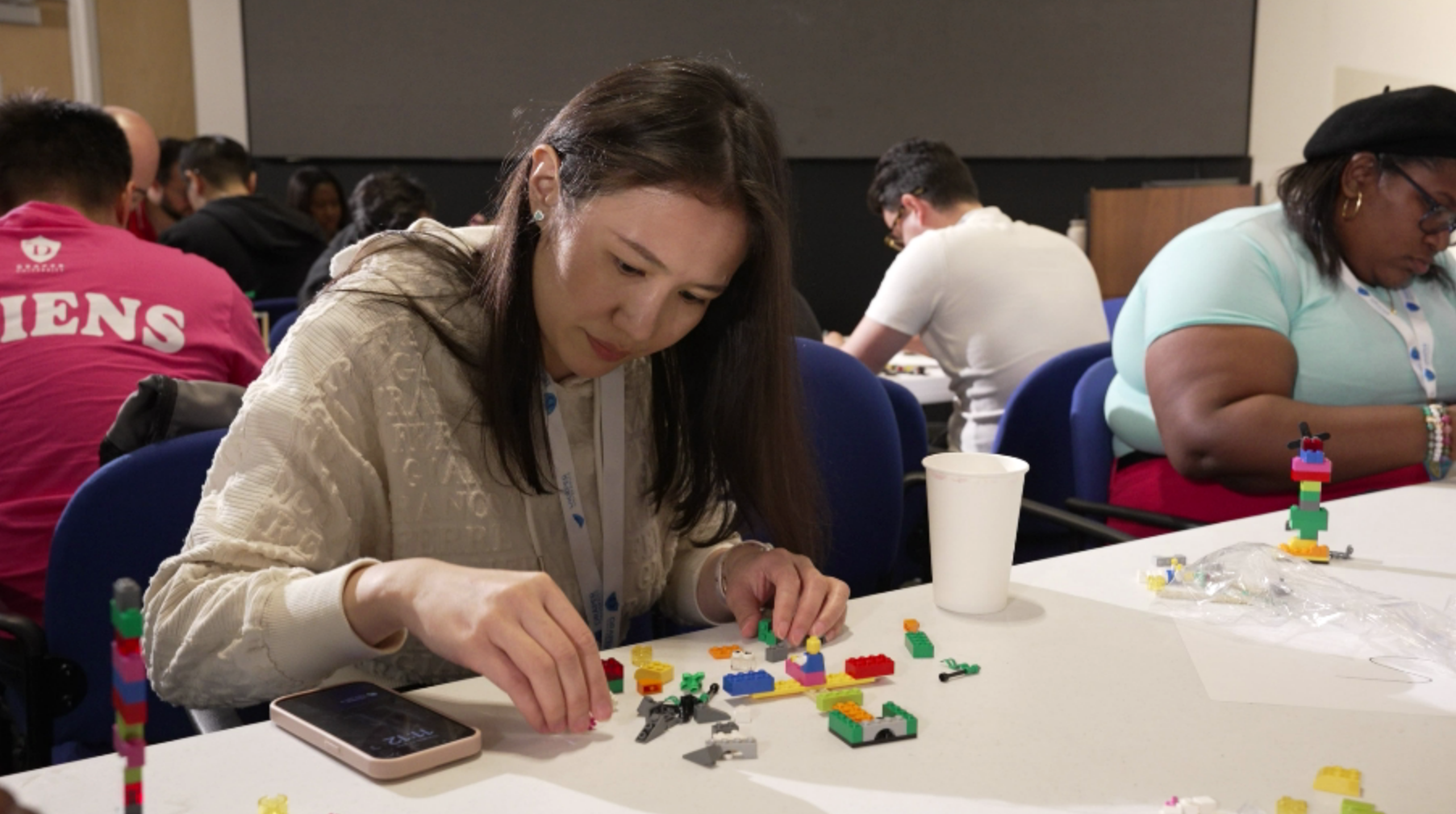
The connect() module establishes the psychological safety essential for genuine team collaboration through guided LEGO® storytelling. By exploring personal stories outside of work , team members discover unexpected connections and gain deeper appreciation for unique perspectives. This foundational work creates the trust and respect needed for more challenging conversations in later modules.
-
Enhanced psychological safety and trust among team members
Improved understanding of colleagues' backgrounds and perspectives
Shared language for communication through metaphor
Reduced interpersonal barriers that typically hinder collaboration
Greater team cohesion and willingness to engage authentically
Analyze
-
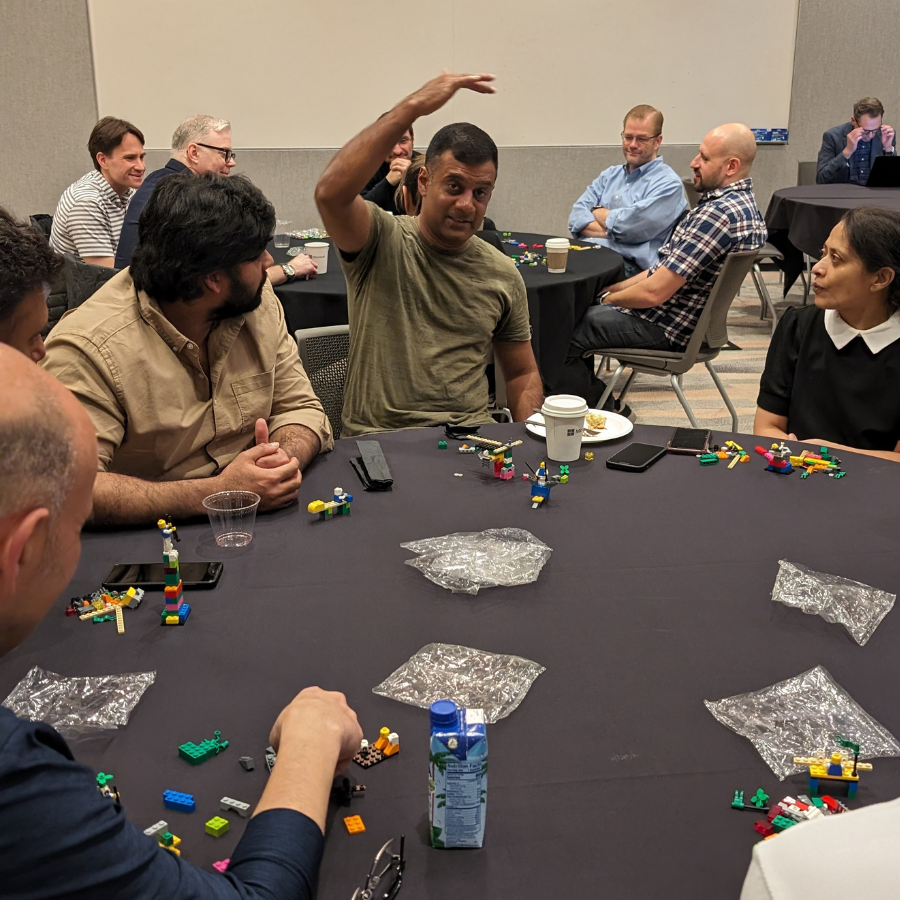
The analyze() module shifts focus to professional strengths and preferences, transforming abstract personality differences into tangible models. Through structured builds, teams explore their collective composition, identifying complementary skills and potential friction points. This visualization process helps teams understand how their individual working styles combine to create a unique team identity and approach.
-
Clear identification of team strengths and potential blind spots
Visual representation of team composition and dynamics
Shared vocabulary for discussing working preferences
Improved understanding of how team members process information
Recognition and appreciation of unique cognitive approaches
Strategies for leveraging complementary traits in project work

Define
-
The define() module guides teams to discover and document their "Core Constants" - the fundamental, unchanging agreements that determine how the team functions optimally. Just as physics has constants that govern system behavior, high-performing teams need clear operational standards that remain stable despite changing projects or personnel. Through collaborative building exercises, teams externalize and align on their essential principles for communication, decision-making, and problem-solving.
-
Clearly defined Core Constants with visual representations
Shared understanding of team expectations and boundaries
Improved collaboration through established operational norms
Accelerated execution speed via shared norms
Stronger team resilience when facing challenges

Interface
-
The Interface module expands the team's perspective beyond internal dynamics to examine how they interface with the broader organization. Teams build models representing their connections to adjacent teams, stakeholders, and systems, identifying friction points and opportunities for enhanced collaboration. By visualizing these relationships, teams develop strategies to maximize their collective impact and remove barriers to organizational effectiveness.
-
Comprehensive model of critical stakeholder relationships and dependencies
Enhanced understanding of adjacent teams' objectives and constraints
Evolution from team-centric thinking to systems-level perspective
Framework for mutually beneficial cross-team collaboration rather than competitive dynamics
Strategies for navigating complex dependencies to reduce project risks
Alignment between team priorities and broader organizational goals
Improved ability to advocate for team needs within the organizational context