


Insights
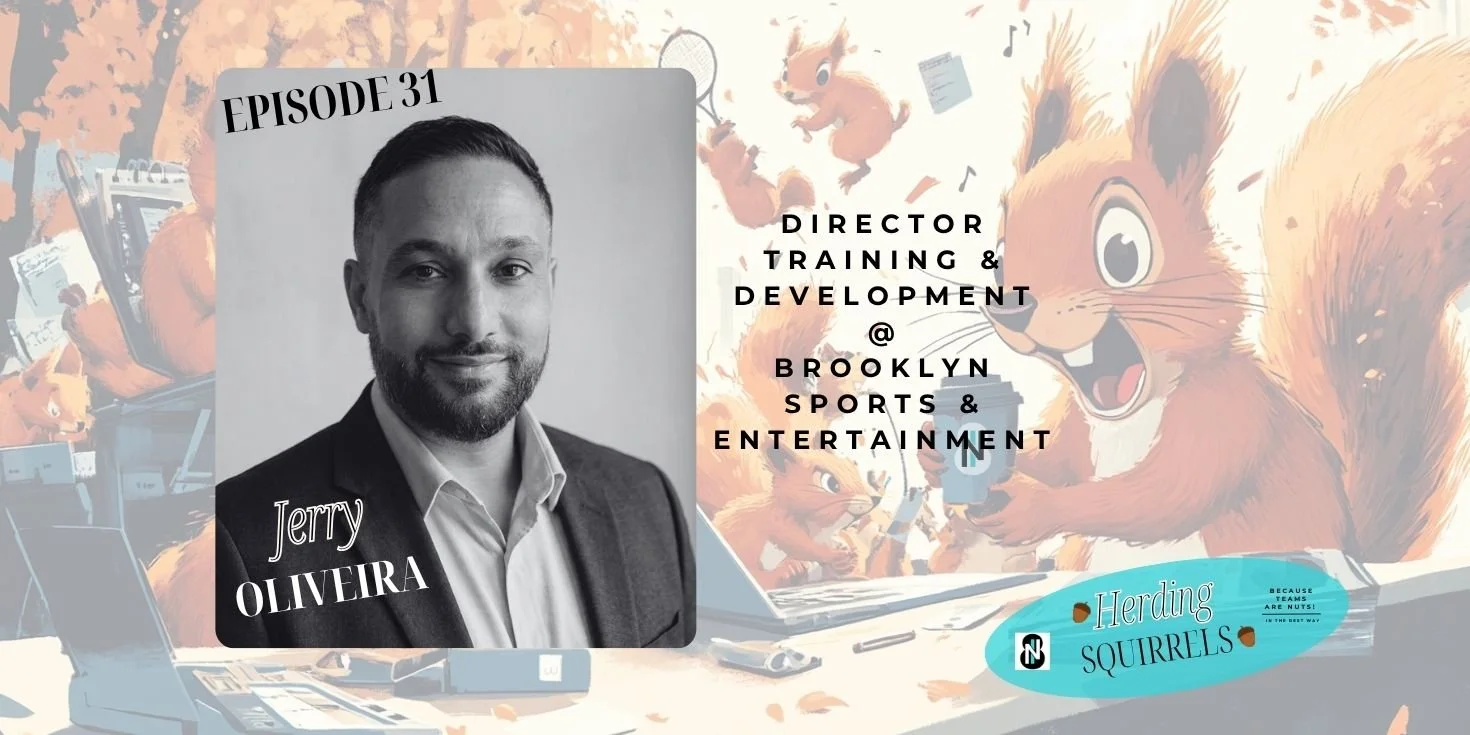
What Makes Training Stick When Your Team Spans Every Generation
Jerry Oliveira is the Director of Training and Development at Brooklyn Sports & Entertainment, home of Barclays Center. In this episode of Herding Squirrels, Jerry walks through the Brooklyn Way, a four-hour culture training built on the 70-20-10 learning model, with cross-department problem solving and a scavenger hunt that taught real arena knowledge. He also shares how he tells real engagement from the performative kind, what employees ask to learn when given the chance, and the mentor who told him she wanted to see him doing her job. If you're designing learning for a hybrid, multigenerational workforce, you'll leave with practical ways to make training stick.
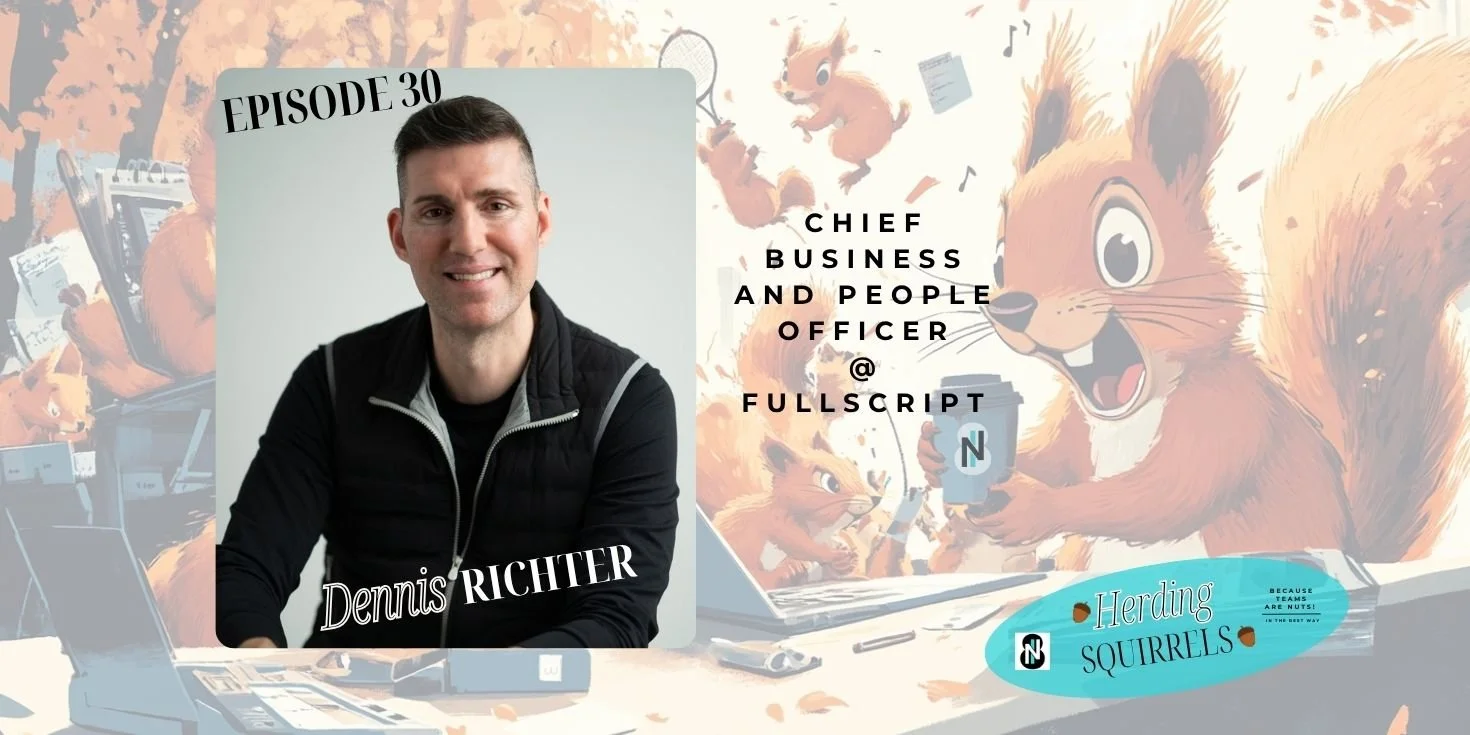
Being Liked Won't Carry Your Team Through Change. Trust Will.
Dennis Richter is the Chief Business and People Officer at Fullscript, a billion-dollar healthcare platform, with prior leadership roles at Meta, Google, Deloitte, and 12 years in the Army. In this episode of Herding Squirrels, Dennis explains why people aren’t actually tired of change. They’re tired of change that feels disconnected, unfinished, or poorly explained. He shares why information travels down an organization far faster than it travels up, what a live town hall teaches that a scripted one can’t, and why the people holding your company together rarely show up as critical on the org chart. If you’re leading a team through change and wondering what isn’t reaching you, this conversation gives you practical ways to get the real story sooner.
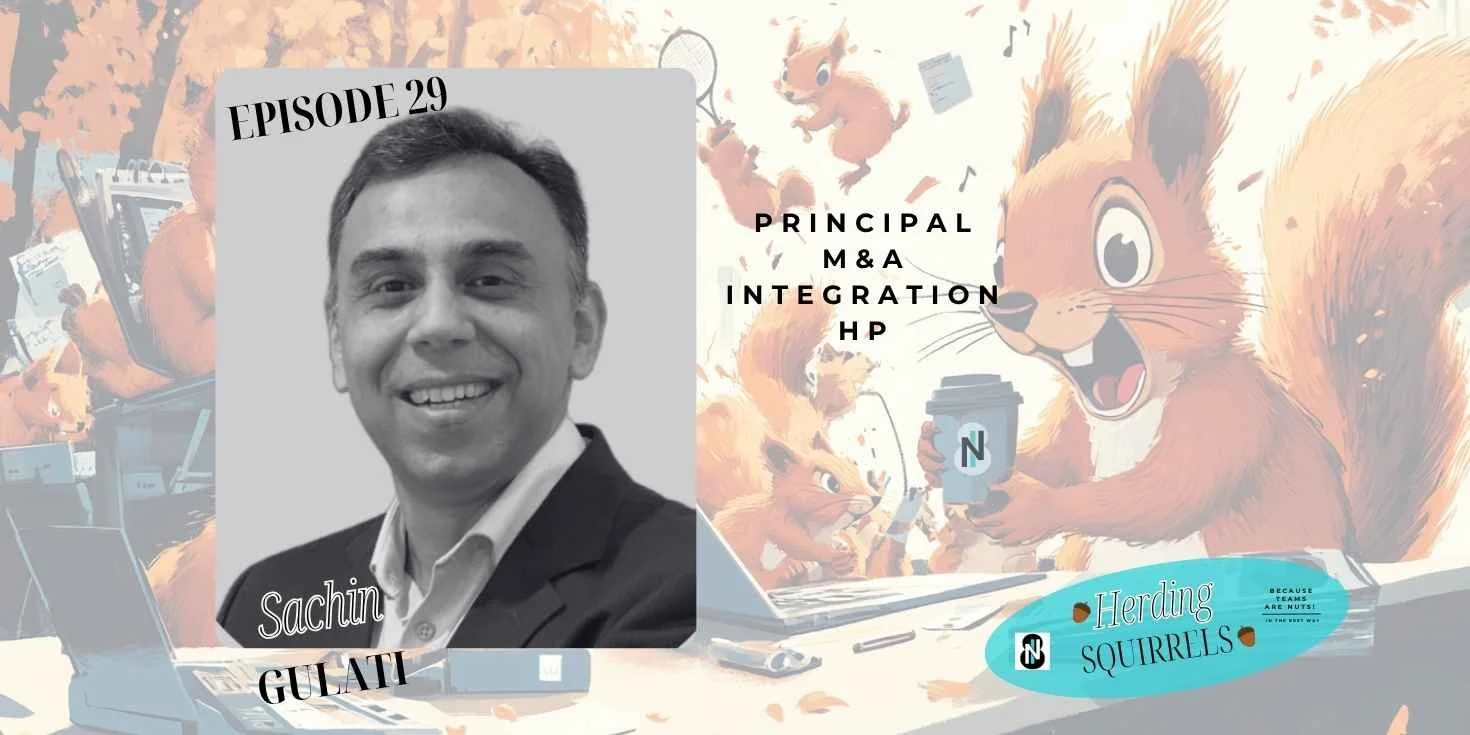
M&A Is Financial. Integration Is Human.
Sachin Gulati is an M&A integration leader at HP with almost 14 years of deal experience across HP, Google, and management consulting. In this episode of Herding Squirrels, Sachin explains why M&A gets sold as a financial transaction but wins or loses as a human transition, and why even a good playbook only gets you 50 to 60 percent of the way there. He shares the three things he listens for on day one (fear, pride, and uncertainty) and the three habits that build employee trust during a merger. If you're leading a team through an acquisition, a divestiture, or any big organizational change, you'll leave with the conversations to stop avoiding and a way to make change painful but predictable.
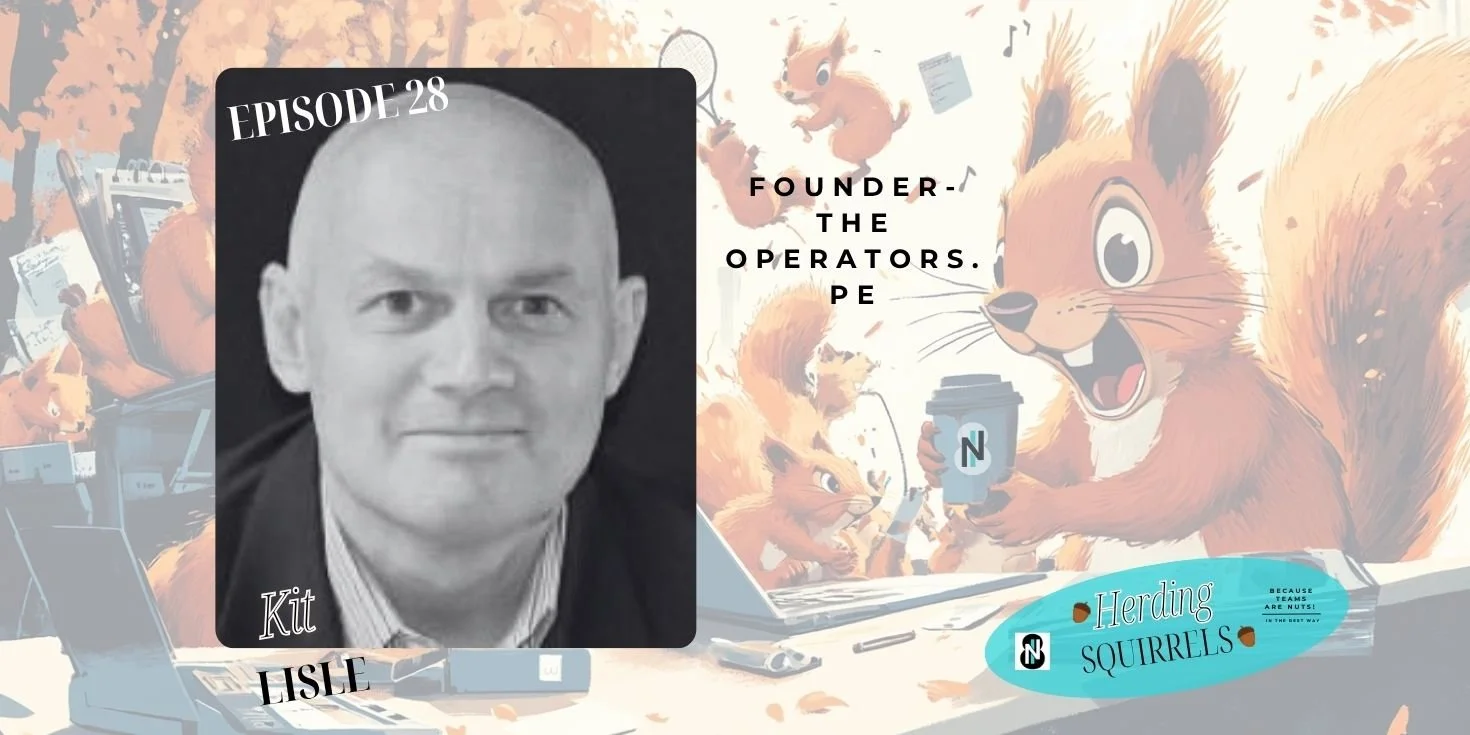
Why First-Time PE Acquisitions Fail
In this episode of Herding Squirrels, Kit breaks down why roughly 80 percent of founder led companies acquired by private equity for the first time go off the rails, and the five specific failure points that cause it. If you're leading a team through a PE acquisition, a board transition, or any high stakes change, this conversation gives you the exact questions to ask and the timeline to ask them on.
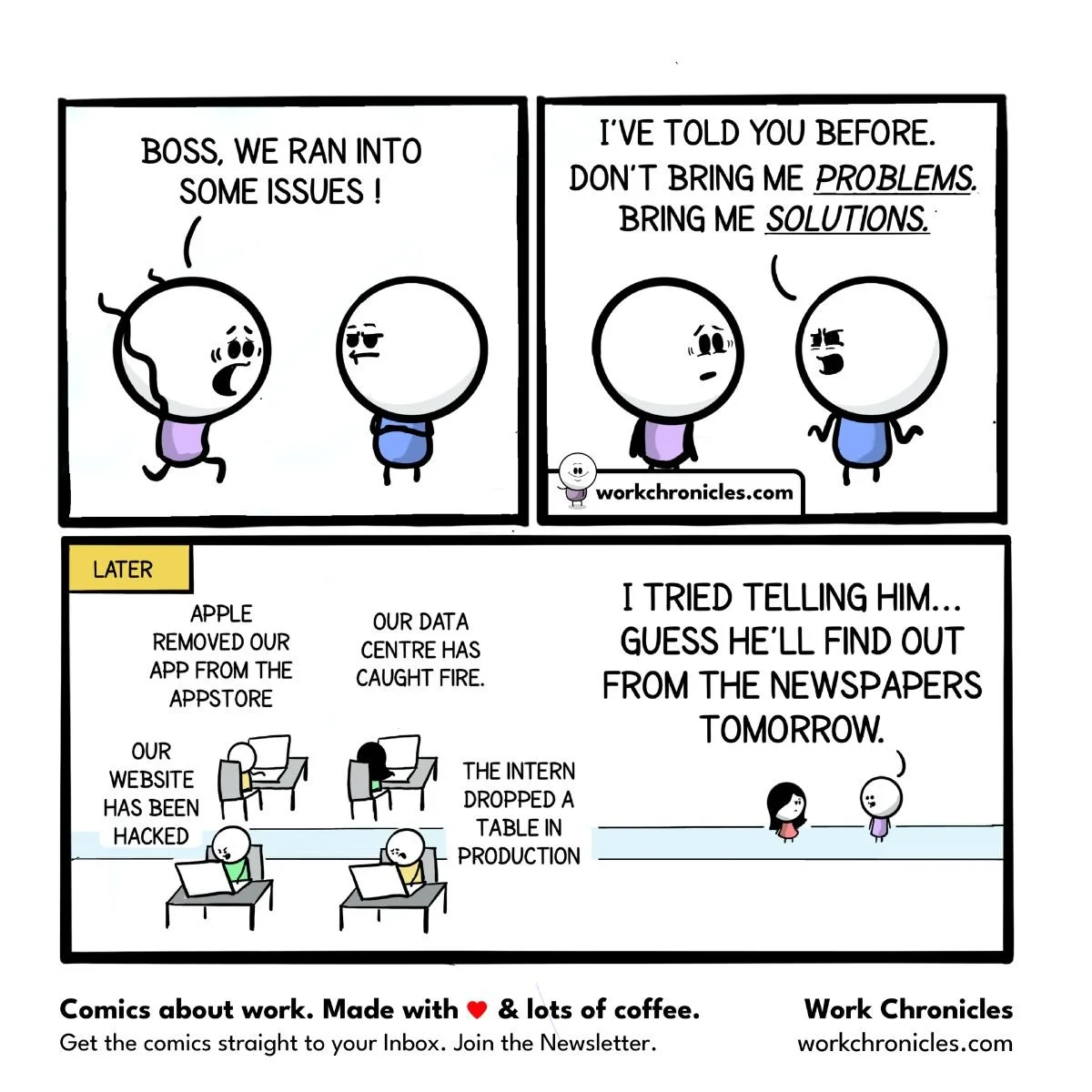
Why "Don't Bring Me Problems" Trains Your Team to Go Silent
The "bring me solutions, not problems" rule feels efficient. It actually trains your team into silence. Here's why the signal disappears and how to fix it.
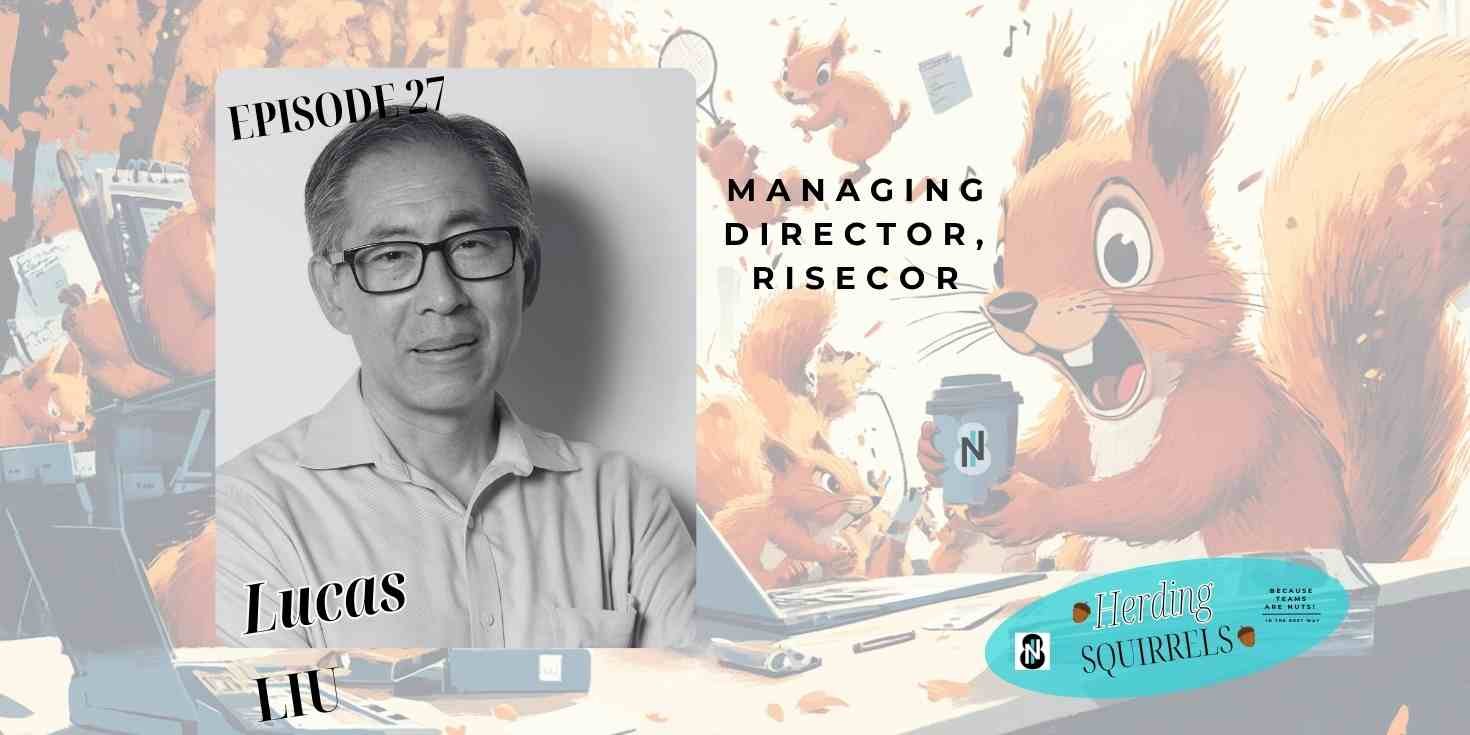
Why M&A Integrations Fail the People They Need Most
Lucas Liu is the Managing Director at Risecore, a boutique consulting firm specializing in M&A integration, carve-outs, exit readiness, and AI strategy for private equity firms and their portfolio companies. In this episode of Herding Squirrels, Lucas breaks down why so many integrations fall apart at the people level and what leaders can actually do about it before the cracks appear. If you're navigating an acquisition, advising one, or leading a team through serious organizational change, this conversation is direct and practical.
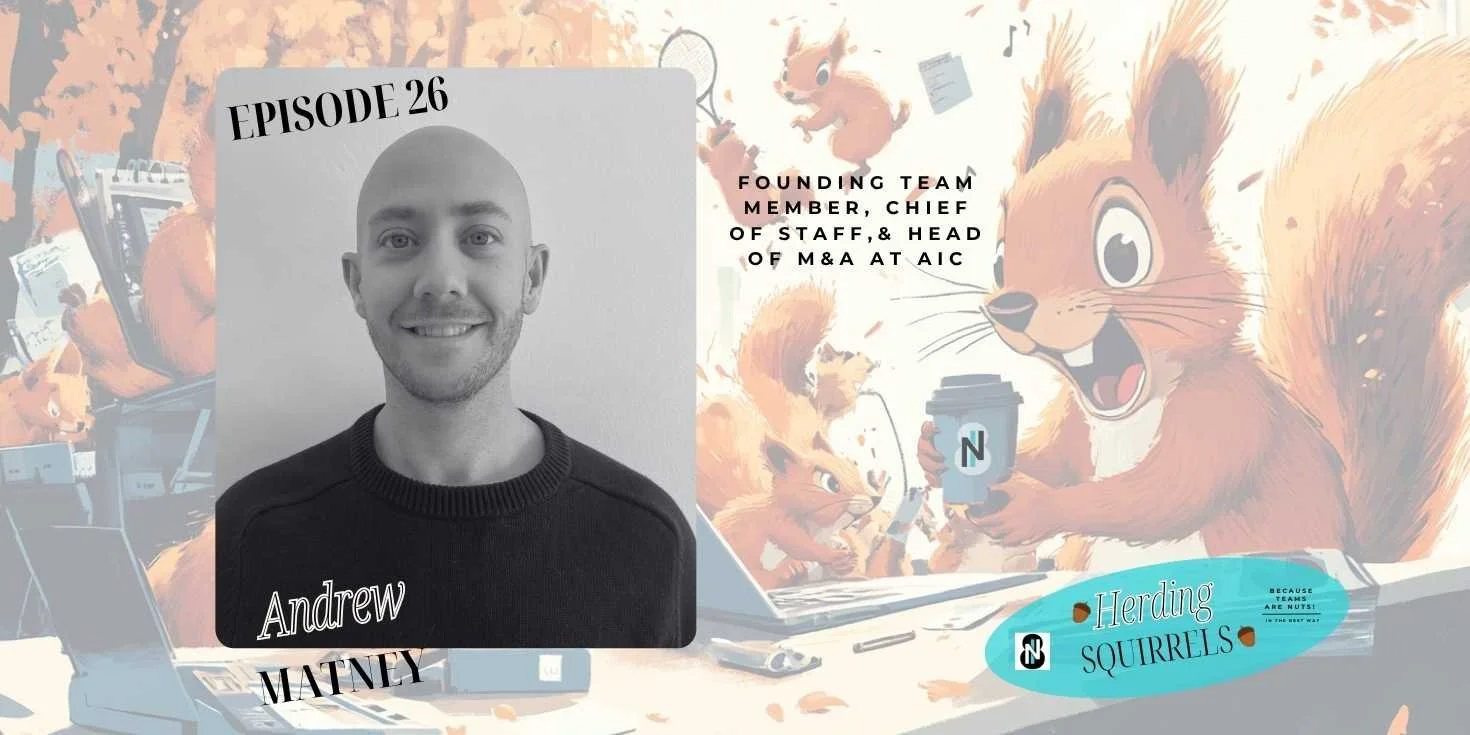
What Diligence Misses When the Team Can't Name How the Business Works
Andrew Matney is a finance, strategy, and M&A operator who has seen transactions from nearly every angle — lender, advisor, investor, and operator. In this episode of Herding Squirrels, he shares what gets missed when everyone is on their best behavior before the close, and why the real operating system of a founder-led business lives in decisions, not documents. If you're navigating a post-close integration or thinking about how to prep a company for acquisition, this conversation will change what you look for.
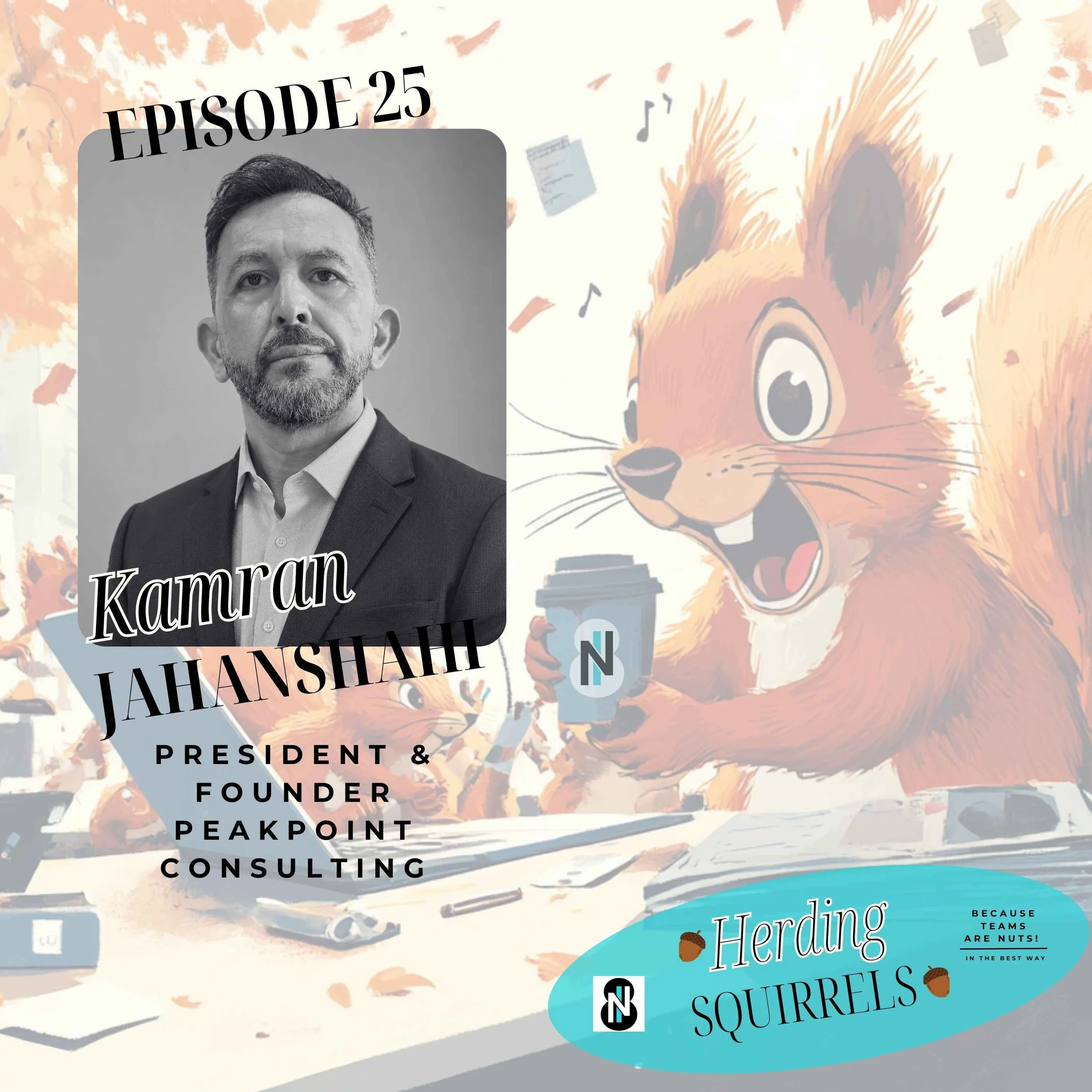
Resistance Is Data
Kamran Jahanshahi is the President and Founder of Peak Point Consulting, with 25 years of transformation leadership across Citibank, MetLife, and Walgreens Boots Alliance. In this episode of Herding Squirrels, Kamran breaks down what separates integrations that survive from ones that quietly fail, and why most organizations underinvest in the one part that determines the outcome: people. If you are leading a company through an acquisition or advising one that is, this conversation will sharpen how you think about operating models, leadership credibility, and why the resistance you are seeing is not a threat but a signal.
Why Your AI Pilots Keep Stalling and What to Build Instead
Louie Celiberti of E27 Technology Solutions explains why AI pilots fail and how an architecture-first approach builds lasting enterprise capability.

The Honeymoon Tax
Around 90 days into any big change, the energy goes quiet. The dashboard stays green. The strategy holds. But the thing that was moving is suddenly not. Here is the math behind why
How to Write Team Working Agreements That Don't Become Posters
You know the arc. Someone schedules the session, sticky notes go up, the agreements get posted on a wiki page. Three months later somebody breaks one and the room kind of looks around. Most working agreements get written one of two ways, and both ways break. There is a third structure that holds up, and most teams have never tried it.
Your Team Is Doing Math In Every Meeting
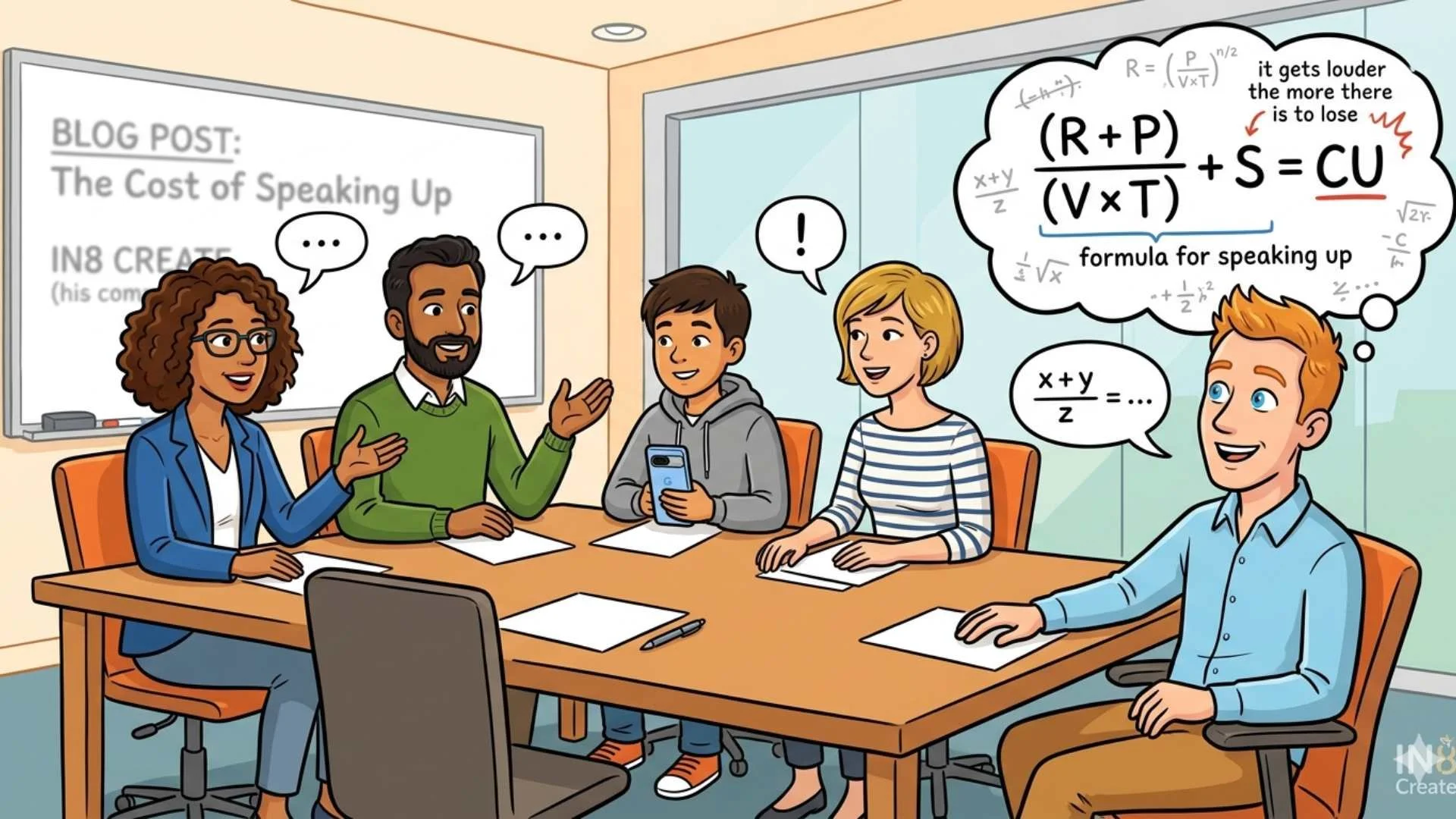
Your team runs a quiet formula before speaking up in any high-stakes meeting. The math is rational, the silence is not weakness, and somewhere in that formula is a variable for you. Here is what they are calculating, and how to change the answer.