Your Team Isn't Resisting Change
They're Mourning the Future They Imagined
Here's something curious about the laughter echoing around your office or bouncing through your Zoom calls:
You've seen it happen. You announce a new tool, a restructure, a process improvement. The response? Silence. Deflection. The dreaded "we'll see how it goes."
Your leadership team labels it "resistance to change." But that's not what's actually happening.
The Moving Paradox
I just signed a lease for my 11th address in eight years. That should mean I love moving, right?
Wrong.
Moving has become like a muscle for me. I know what I have. I know it's easy to pick everything up and set it back down. But that's only because I've done it so many times.
Before that? I lived in one condo for about eight years. The exact opposite. Change was welcome then because of various factors in my life.
So which is the real me? The person who loves change or the one who resists it?
The answer: neither. And both.
Here's what actually triggers resistance: when a company changes how my software works—like Gmail redesigning their interface—I go bonkers.
Not only do I have no control, but it takes EXTRA effort to adapt to the new change.
That's what change is really about. The energy it takes to adapt. And that energy might not be available. And the value of the change might not feel worth it either.
Think about AI adoption. I love AI—it's like my little co-worker buddy. I see the benefits and the downfalls, but it's MY choice when to use it. Choice comes into the matter as well.
The Identity Question Leaders Miss
If change is inevitable, how do you champion it?
The key lies in identity.
Change is all around. Some fight it, some embrace it, and some are in the middle. You can think of change like grief—it doesn't follow a neat linear path.
Because here's what big changes actually require: saying goodbye to the future you imagined.
When your company restructures, adopts new tools, or pivots strategy—your team isn't just learning something new. They're mourning the future they'd already built in their minds.
To understand how people navigate change, look at identity. Your team's identity matters as much as your org's identity.
Here's what makes adaptation possible: when your team's identity and your organization's purpose are clear, you can show how this change serves that shared purpose. When people see the change isn't random—it's in service of something they already believe in—the energy for adaptation becomes available.
That doesn't mean resistance disappears. But it transforms from "why are we doing this?" to "how do we do this well?"
What Your Team Actually Needs
People need to be HEARD.
Their fears need to be understood. Some of these fears will prove valuable—they're seeing risks you haven't considered.
Communication lines need to stay OPEN.
That doesn't mean timelines need to be adjusted or that the change won't happen. It just means don't pull your sled dogs when they won't follow. Let the team pull the initiative instead of you pulling them.
The Grief Nobody Mentions
Big changes ask people to grieve a future they'd already imagined.
Your engineer who mastered the old system? She'd pictured herself as the expert people came to for help. The new tool erases that future.
Your manager who built relationships across the old structure? He'd envisioned growing influence through those connections. The reorg makes that path disappear.
When someone seems "resistant," they might just be mourning. And you can't rush grief.
The Energy Equation
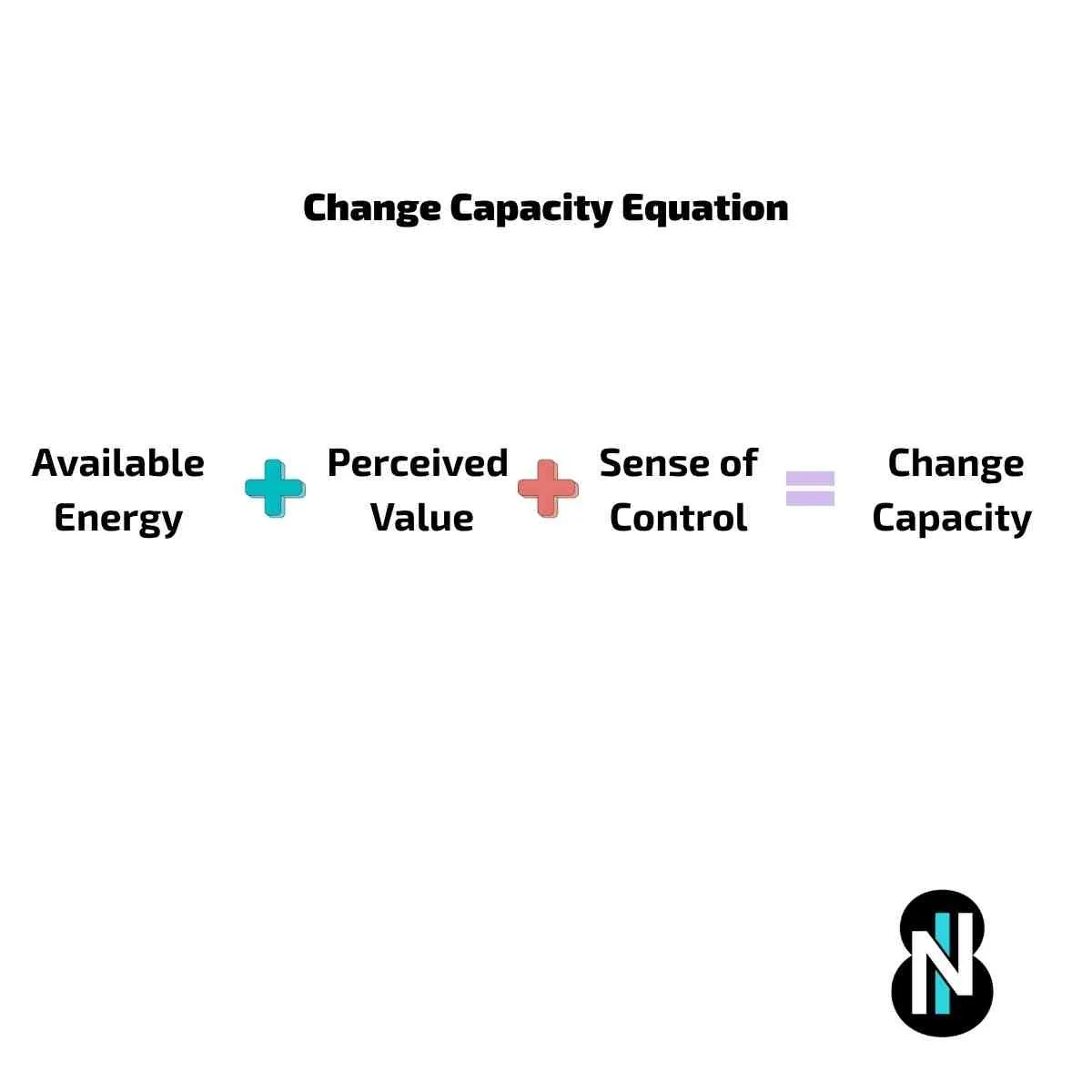
Think about change as an energy equation:
Available Energy + Perceived Value + Sense of Control = Capacity for Change
When any of these variables drops too low, what looks like "resistance" appears. But your team isn't being difficult. They're being honest about their capacity.
Stop Pulling the Sled
The next time you're rolling out a transformation and hitting what looks like resistance, pause.
Ask yourself:
Does your team understand how this change serves the purpose they already believe in?
Have you acknowledged that this change erases futures people had imagined?
Are people being heard, or are you just checking a "communication" box?
Do they have any agency in how this unfolds?
Do they even have the energy available for this right now?
Your team isn't broken. They're being honest about their capacity and their grief.
Stop pulling them toward change. Show them how it serves what they already care about, and they'll pull it forward themselves.
Ready to surface what your team is really thinking about your next transformation? Most leaders never hear the real concerns until it's too late. LEGO® Serious Play® creates the psychological safety that lets teams say what they're actually thinking—not what they think you want to hear. Let's talk about your next change initiative.
