
Insights
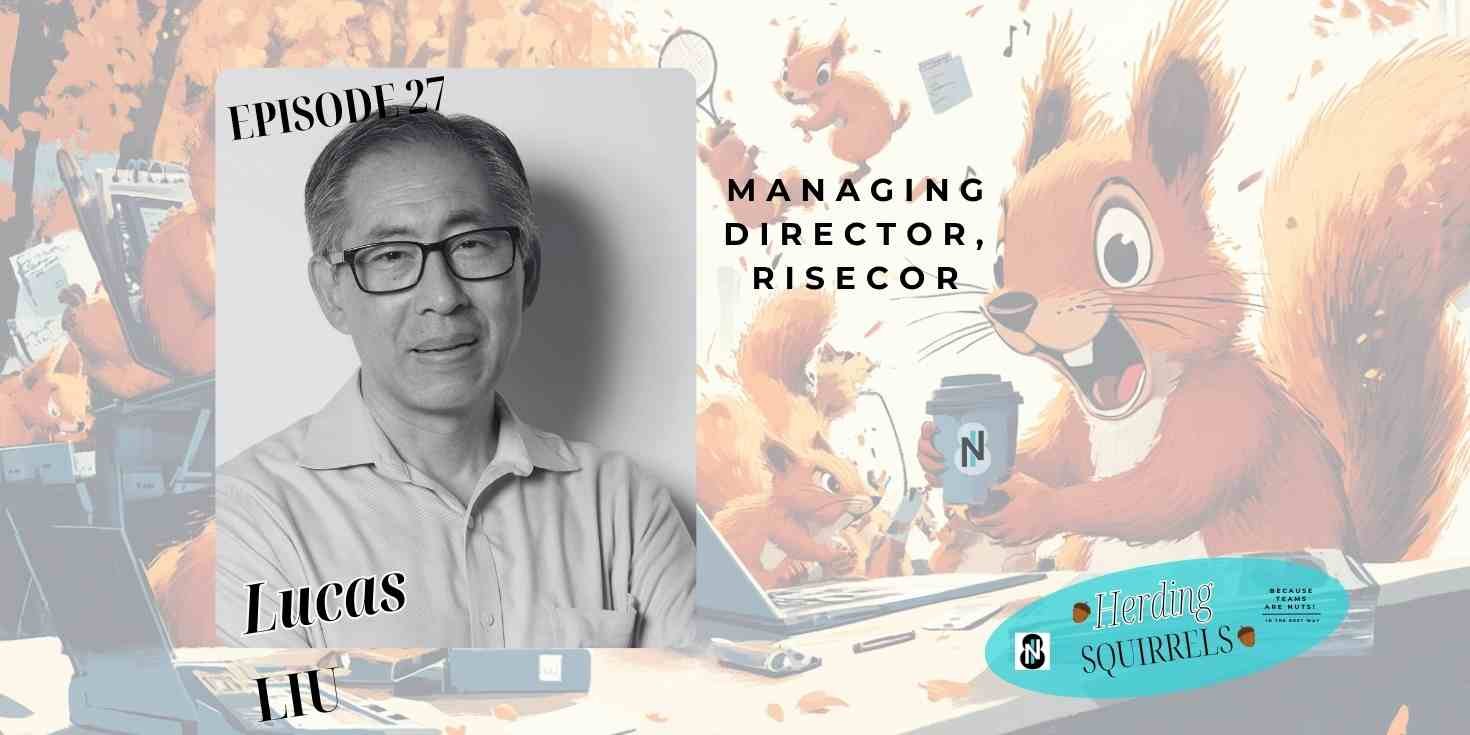
Why M&A Integrations Fail the People They Need Most
Lucas Liu is the Managing Director at Risecore, a boutique consulting firm specializing in M&A integration, carve-outs, exit readiness, and AI strategy for private equity firms and their portfolio companies. In this episode of Herding Squirrels, Lucas breaks down why so many integrations fall apart at the people level and what leaders can actually do about it before the cracks appear. If you're navigating an acquisition, advising one, or leading a team through serious organizational change, this conversation is direct and practical.
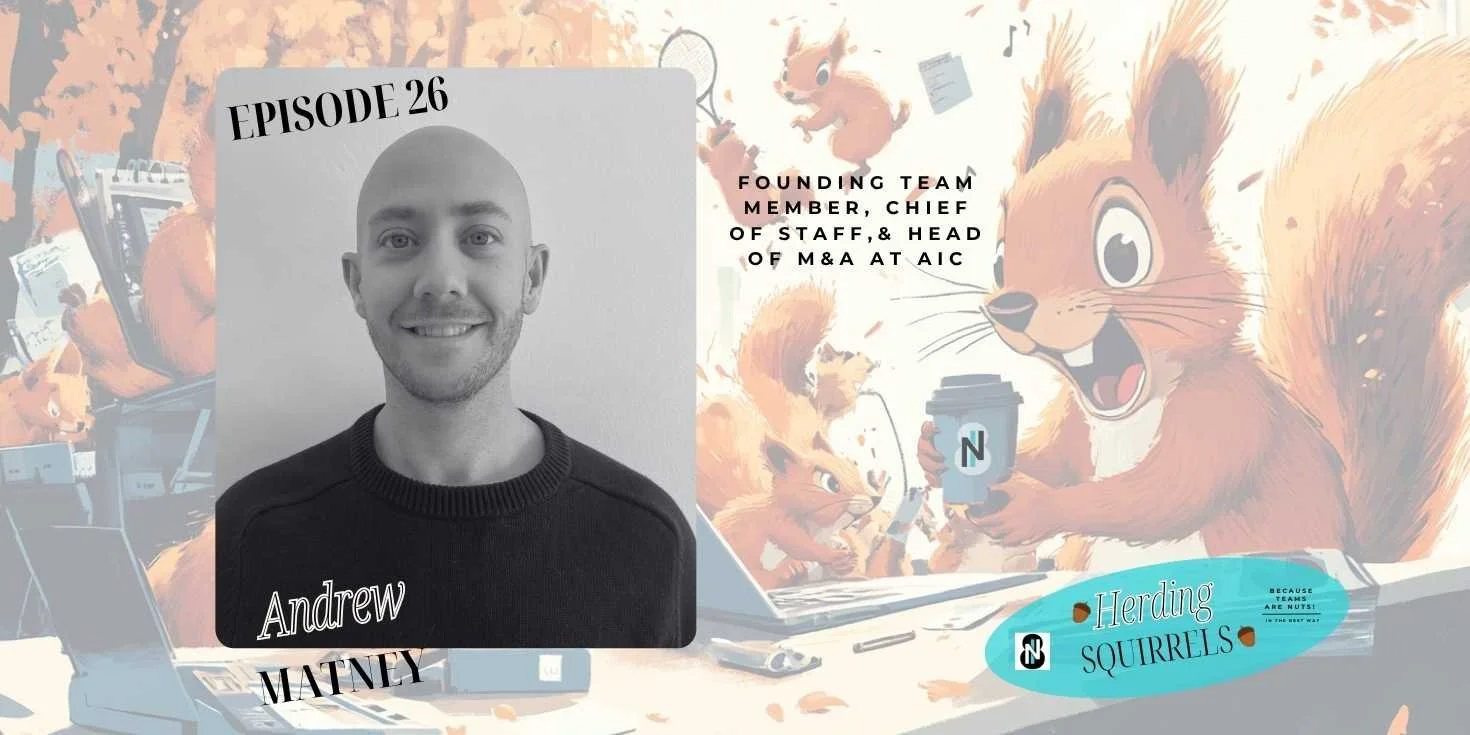
What Diligence Misses When the Team Can't Name How the Business Works
Andrew Matney is a finance, strategy, and M&A operator who has seen transactions from nearly every angle — lender, advisor, investor, and operator. In this episode of Herding Squirrels, he shares what gets missed when everyone is on their best behavior before the close, and why the real operating system of a founder-led business lives in decisions, not documents. If you're navigating a post-close integration or thinking about how to prep a company for acquisition, this conversation will change what you look for.
Resistance Is Data
Kamran Jahanshahi is the President and Founder of Peak Point Consulting, with 25 years of transformation leadership across Citibank, MetLife, and Walgreens Boots Alliance. In this episode of Herding Squirrels, Kamran breaks down what separates integrations that survive from ones that quietly fail, and why most organizations underinvest in the one part that determines the outcome: people. If you are leading a company through an acquisition or advising one that is, this conversation will sharpen how you think about operating models, leadership credibility, and why the resistance you are seeing is not a threat but a signal.

The Honeymoon Tax
Around 90 days into any big change, the energy goes quiet. The dashboard stays green. The strategy holds. But the thing that was moving is suddenly not. Here is the math behind why

Stop Building an AI Strategy
You've read 47 AI posts this week. There's a reason. Festinger named it in 1954, and it's quietly running every AI rollout happening right now. When people are uncertain, they look at each other before they look at the tool. The leaders who get adoption right aren't the ones with the best strategy. They're the ones building the room where honest reactions can surface. Here's what that looks like.
Your Team Isn’t Disengaged
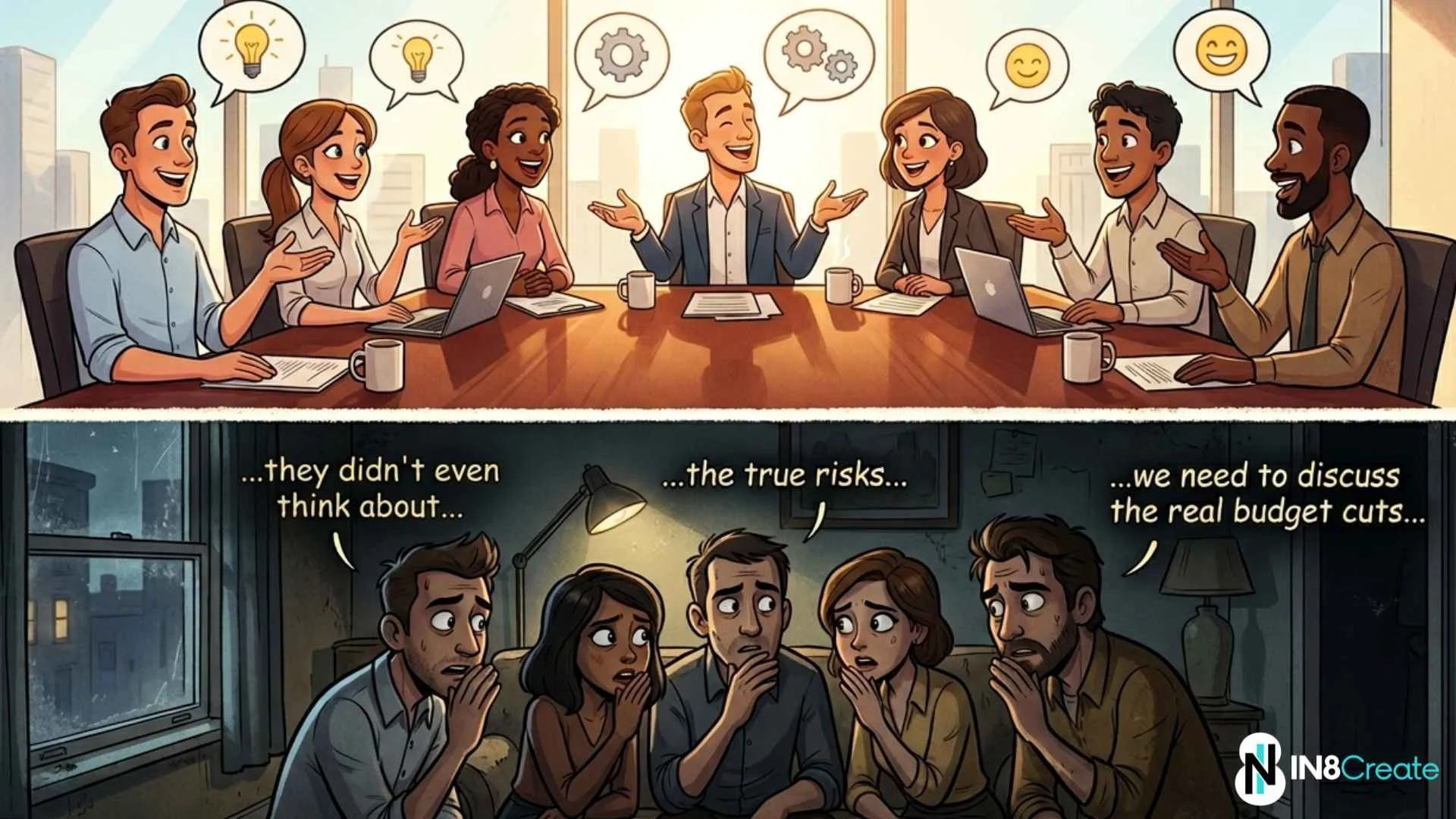
Your team looks aligned in the meeting. But the real conversation is happening somewhere else. Here are the three layers of silence and how to bring teams back.

Why Your Team Navigates Change Alone
Your team is already comparing themselves to each other during change. They're just doing it silently, with bad data. Here's what happens when you make it visible.

The Sliver Problem
Are you tired of circular conversations that never solve the real issue? It's like having a sliver—you can grab the top part, but the source of pain is buried deep beneath the surface. Most teams are being polite, lacking the language or methods to address the real conflict. In this post, you'll learn six practical ways to unearth buried team issues, from defining the actual problem to mapping conflicting goals with a 2x2 matrix. Plus, discover how we use LEGO Serious Play to help teams solve these problems in a psychologically safe way.
How Are You Keeping Score?
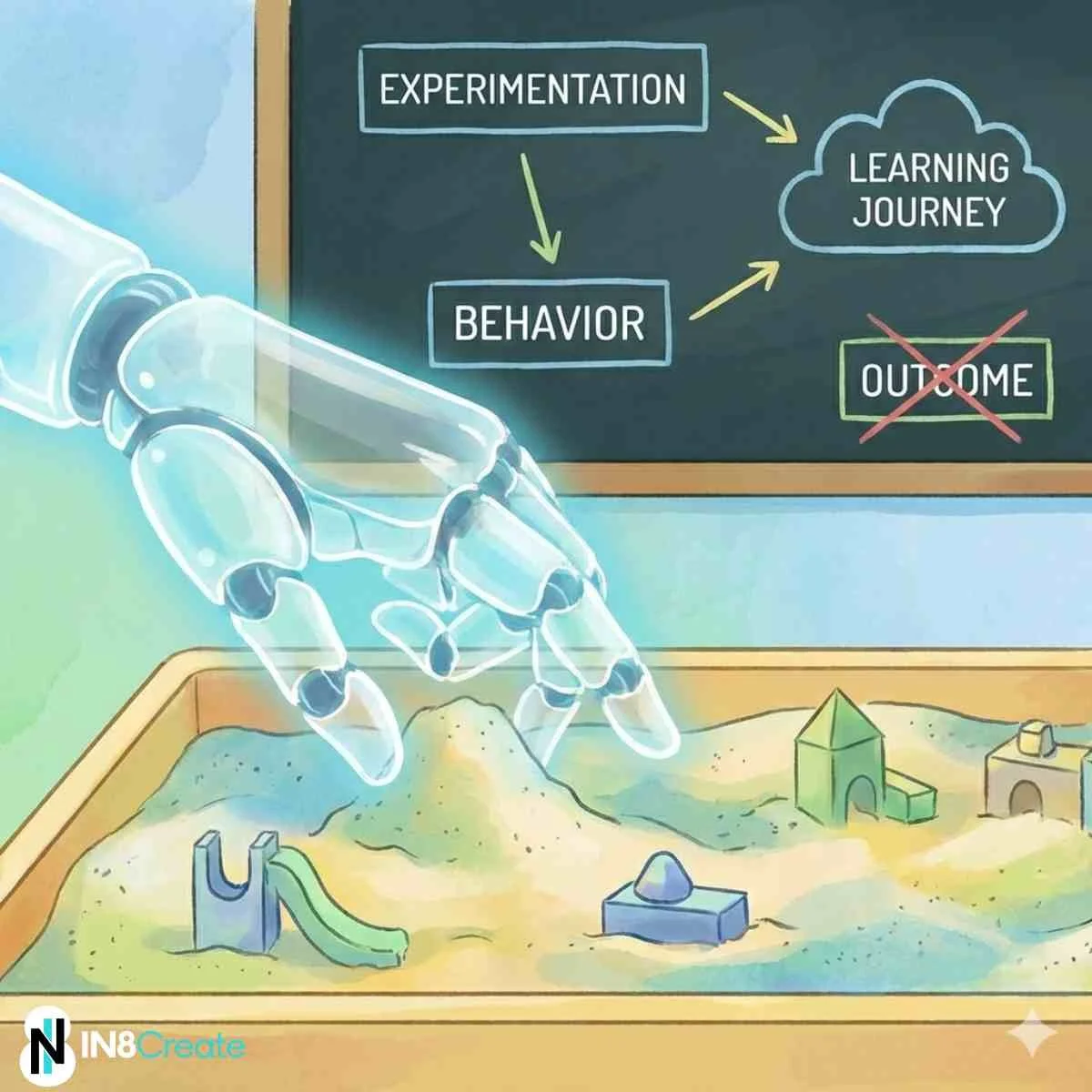
Your board is demanding AI adoption metrics, but you're navigating genuinely uncertain territory. Traditional outcome-based goals create anxiety when no one knows what success looks like yet. The solution? Shift to behavior-based goals like "teach AI one task you hate" or "use AI as a devil's advocate." These goals your team can actually achieve this week while building the experimentation habits that eventually lead to transformation. Start with your naturally curious people and let adoption cascade organically rather than mandating company-wide usage.

What Will Still Matter When AI Changes Everything About Work
AI is changing work fast, but human connection, creativity, and judgment aren't just surviving—they're becoming your only competitive advantage.

Why Imposed Change Exhausts Teams
When you choose change, it energizes. When change is thrust upon you, it exhausts. Here's why your team needs agency in how transformation happens.
Silence is Communication
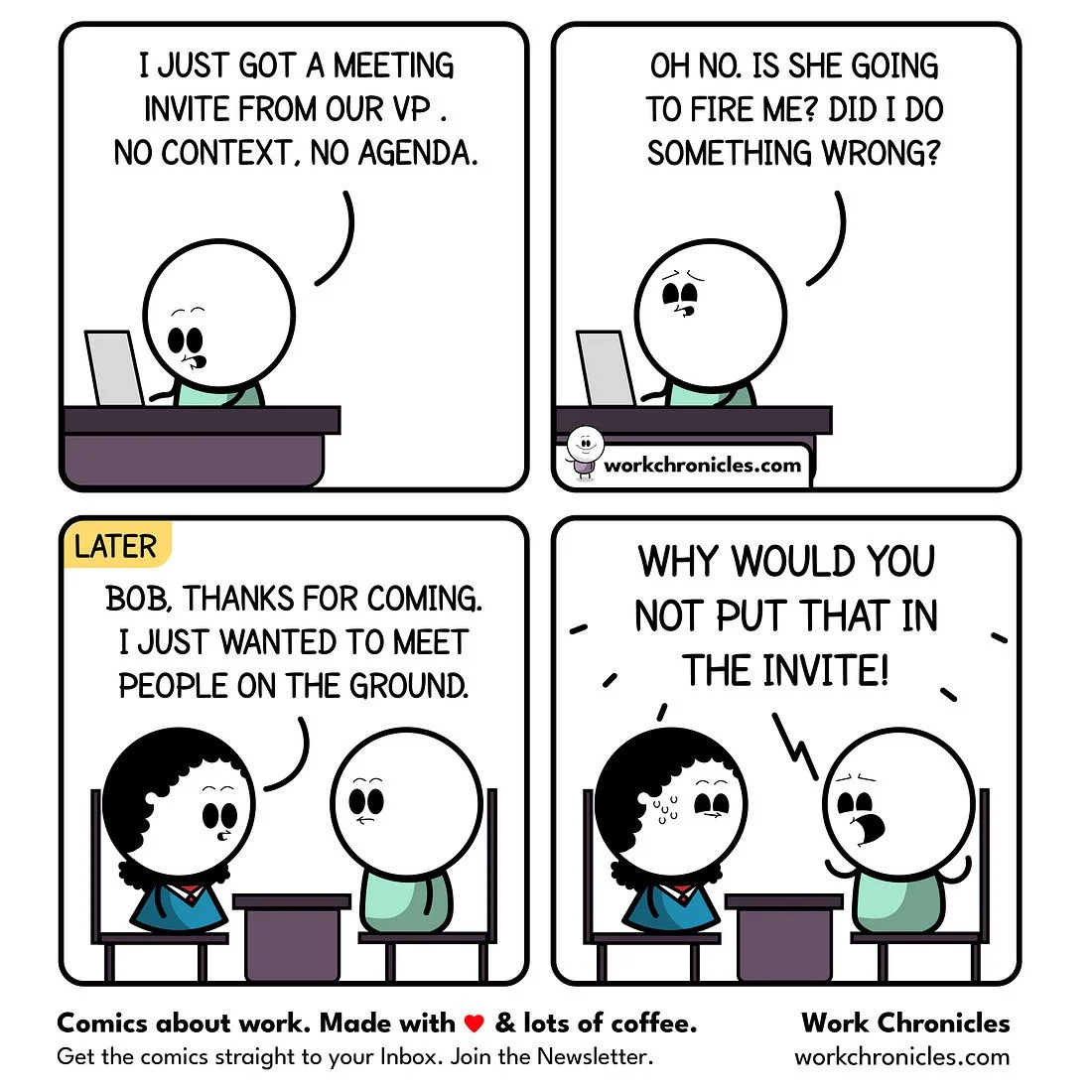
When leaders stay silent during organizational change, teams fill the information vacuum with worst-case assumptions. This triggers the brain's threat response, particularly around certainty - one of five domains in David Rock's SCARF model. Effective leaders communicate about uncertainty itself: acknowledge what's unknown, share what they do know, explain how decisions are being made, set update cadence, and give teams actionable steps.