
Insights
Releasing Childlike Creativity in Teams
If you step back and watch adults work on something together, these CHILD-like actions become very clear. After running over 100 workshops, I've seen these patterns so consistently that I now know certain moments to look for - like when the extrovert decides to take over the group, or my favorite, the anticipatory smile when people first get their LEGO kit.

Teams and Systems Thinking
Systems thinking isn't intuitive for most people. We naturally focus on what's directly in front of us. That's why deliberate effort to build systems literacy pays such enormous dividends.
Teams that understand systems principles:
Make better decisions because they consider ripple effects
Collaborate more effectively with other teams
Identify and address root causes rather than symptoms
Create sustainable solutions rather than quick fixes that create long-term problems

Team Trust Is Built in Moments Most People Miss
We create mental shortcuts about these people, usually based on very limited information, and those definitions influence our collaboration moving forward. Often, these snap judgments become self-reinforcing cycles that can be difficult to break.

When Teams Unite Under Pressure
These scenarios never cease to amaze me because of how deeply connected they make us feel. They tap into our identity as valued members of our work community, and when that community faces a crisis, people respond instinctively. This might mean staying late, contributing extra effort, or stepping outside comfort zones to help the team succeed.

Use Assessments to Spice Up Your Team
One of the best things I ever did as a leader was have my team take a personality assessment. Yet when I talk to many leaders, they often get dismissive about assessments, with responses like "not another assessment" or "I hate how these put me in a box." Let me share a couple of stories that changed my perspective.
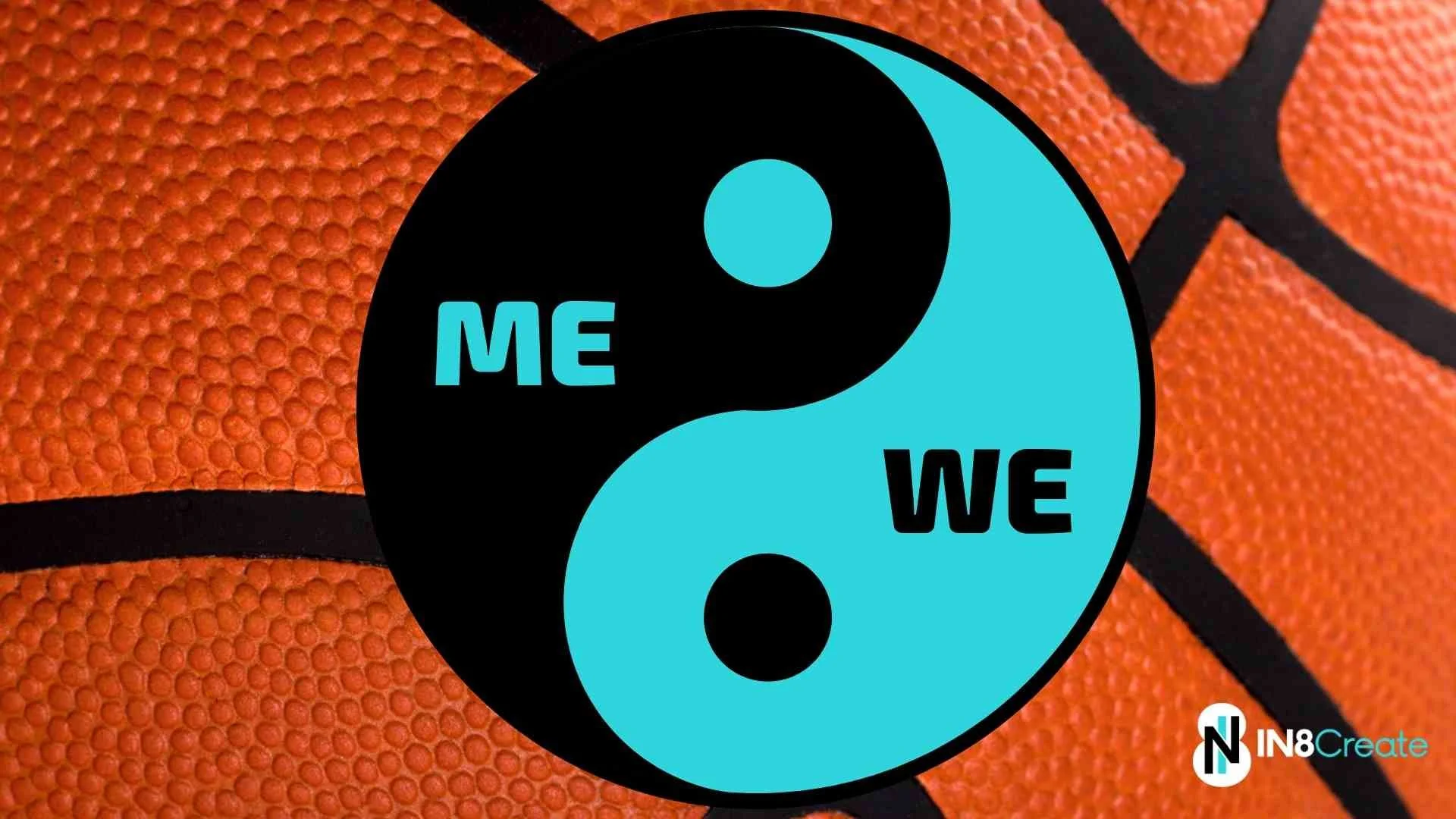
The Art of We vs Me in Teams
When everyone understands and plays their role, it showcases individual talents while bringing out the best in the team. Some people are natural scorers, others are defensive specialists, and some excel at rebounding. In the workplace, these roles look different - maybe you have your strategic thinkers, your detail-oriented executors, and your relationship builders - but the principle remains the same.

The Secret Sauce of Great Teams: Emulsification
How many of us have worked with people who are like oil and water? Team members who just don't naturally mix, creating friction rather than flow? Well, just like our hollandaise, we just need to find the right emulsifier!
Through our work with teams, we've discovered that effective team emulsification happens in layers, each one strengthening the bonds between team members.
The Hidden Constraints of Communication
We might already be dealing with invisible communication constraints every day. Maybe it's assumptions we make about shared knowledge, specialized jargon that excludes others, or organizational silos that prevent open dialogue.
Communication is challenging enough when we can be direct. Add in artificial constraints, and it becomes a complex dance of trying to get what you need while staying within boundaries you can't even mention.
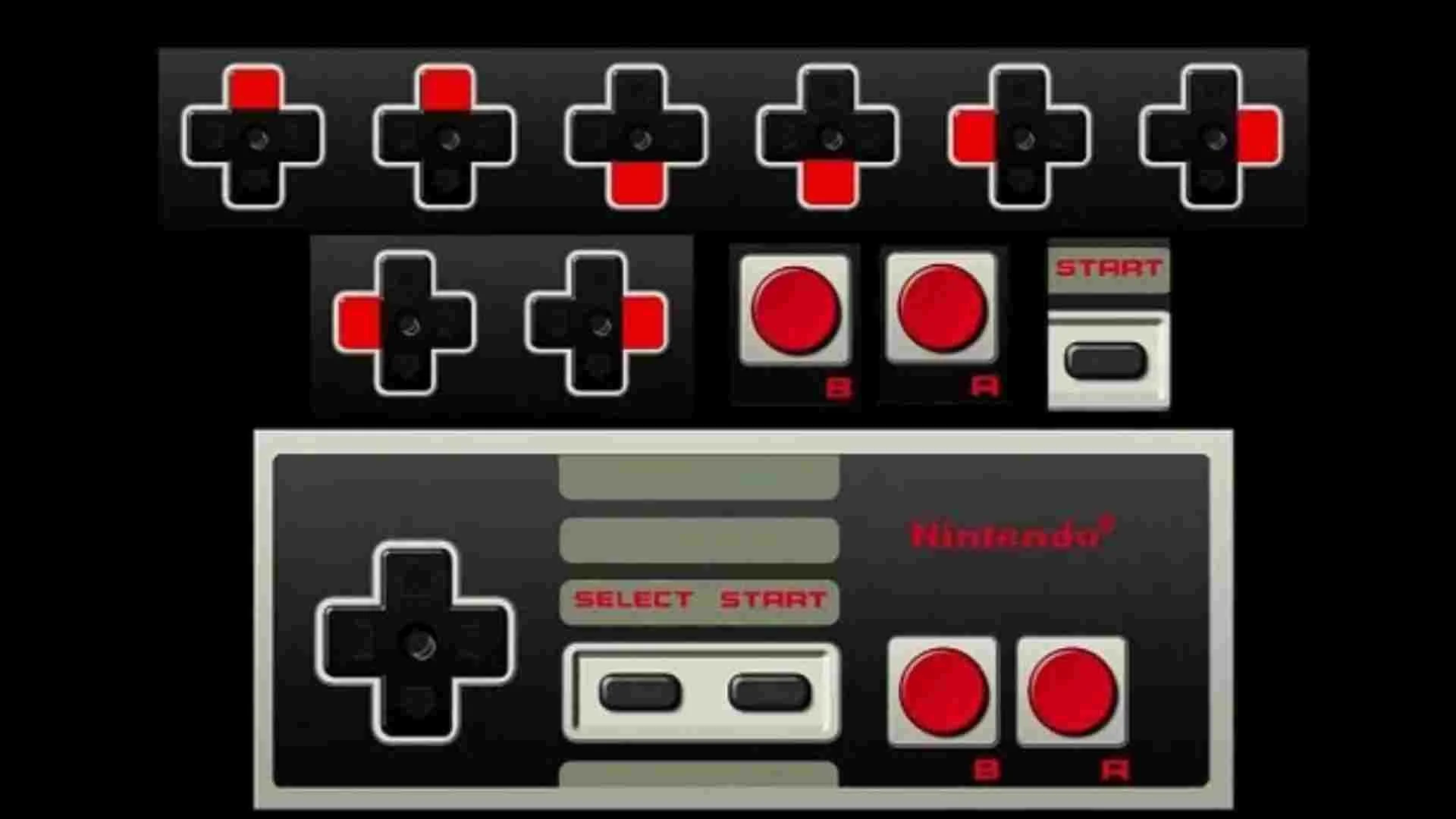
Use the Contra Code to Level Up Your Team
In today's knowledge economy, no role exists in isolation. Your success is interconnected with adjacent teams and roles – both up and down the organizational hierarchy. Like the Contra code itself, success requires understanding patterns and sequences that might not be immediately obvious.?

The Foundations of Amazing Teamwork
Creating an exceptional team requires intention and effort, but the rewards are worth the investment. When these six foundations are firmly established and actively maintained, teams can achieve remarkable results while creating an environment where everyone flourishes. Excellence in teamwork isn't accidental - it's the product of careful cultivation of these essential elements.
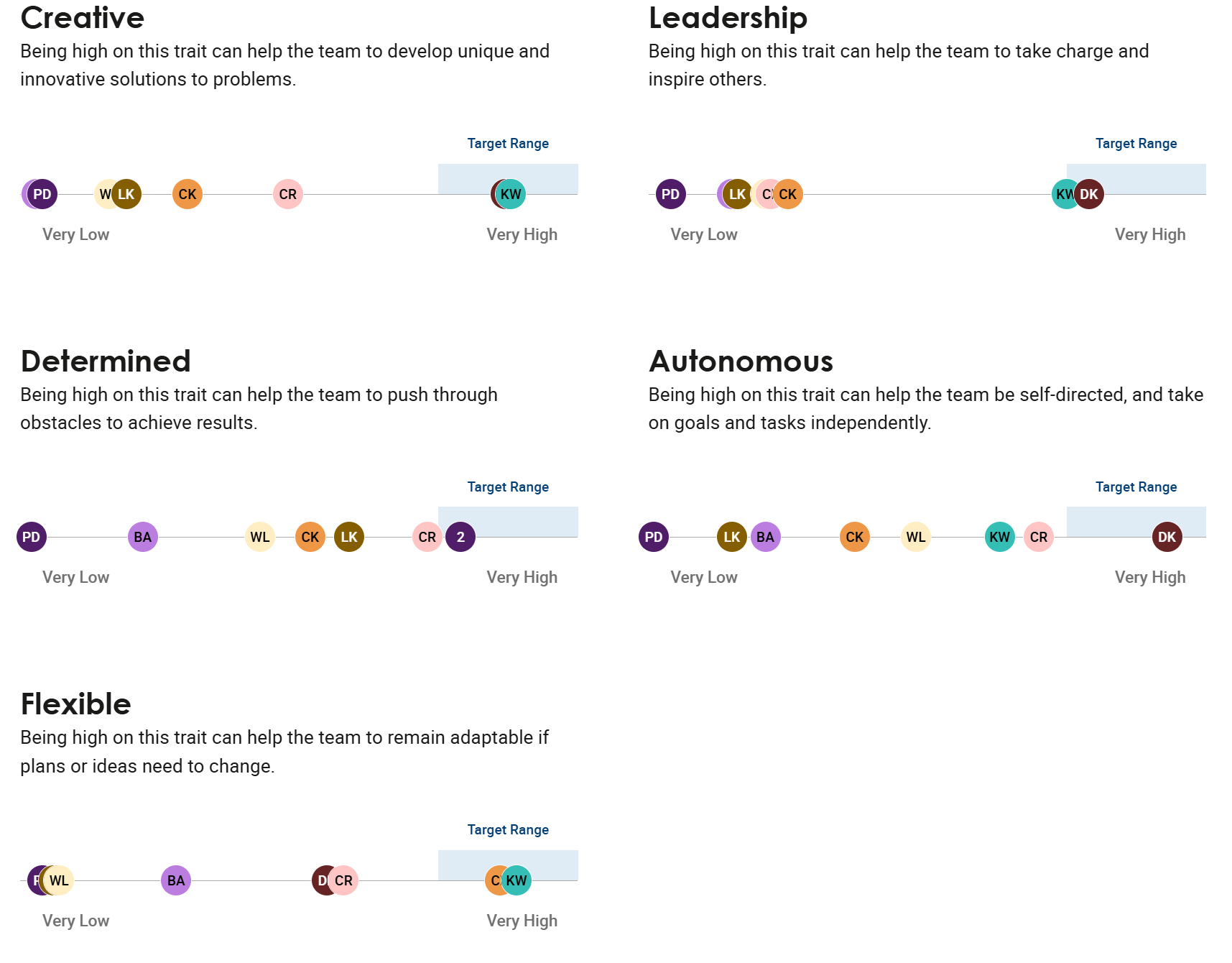
The Team Assessment That Speaks Human
As a facilitator, one of my core beliefs is that better understanding leads to better collaboration. The Principles US assessment gives teams a shared language to discuss how they work best - whether they're natural leaders who inspire others, methodical problem-solvers who dive deep into details, or adaptable collaborators who thrive on change.

Team Building's Secret: We Learned It All In Our Youth
Here's the profound insight: Most of us learned the fundamentals of teamwork in our youth through sports, arts, or other group activities. When facing team challenges in our professional lives, perhaps the solution lies not in complex management theories but in returning to these basic principles.