

Insights
Why Your Team Doesn't Work Like You
You like deep focus, so the team must want quiet hours. You think on your feet, so the team must love brainstorms. You keep going until it's done, so the team must respect the grind. Except they don't. Here's how to stop projecting your operating system onto your team and build the foundation an unstoppable team actually needs.
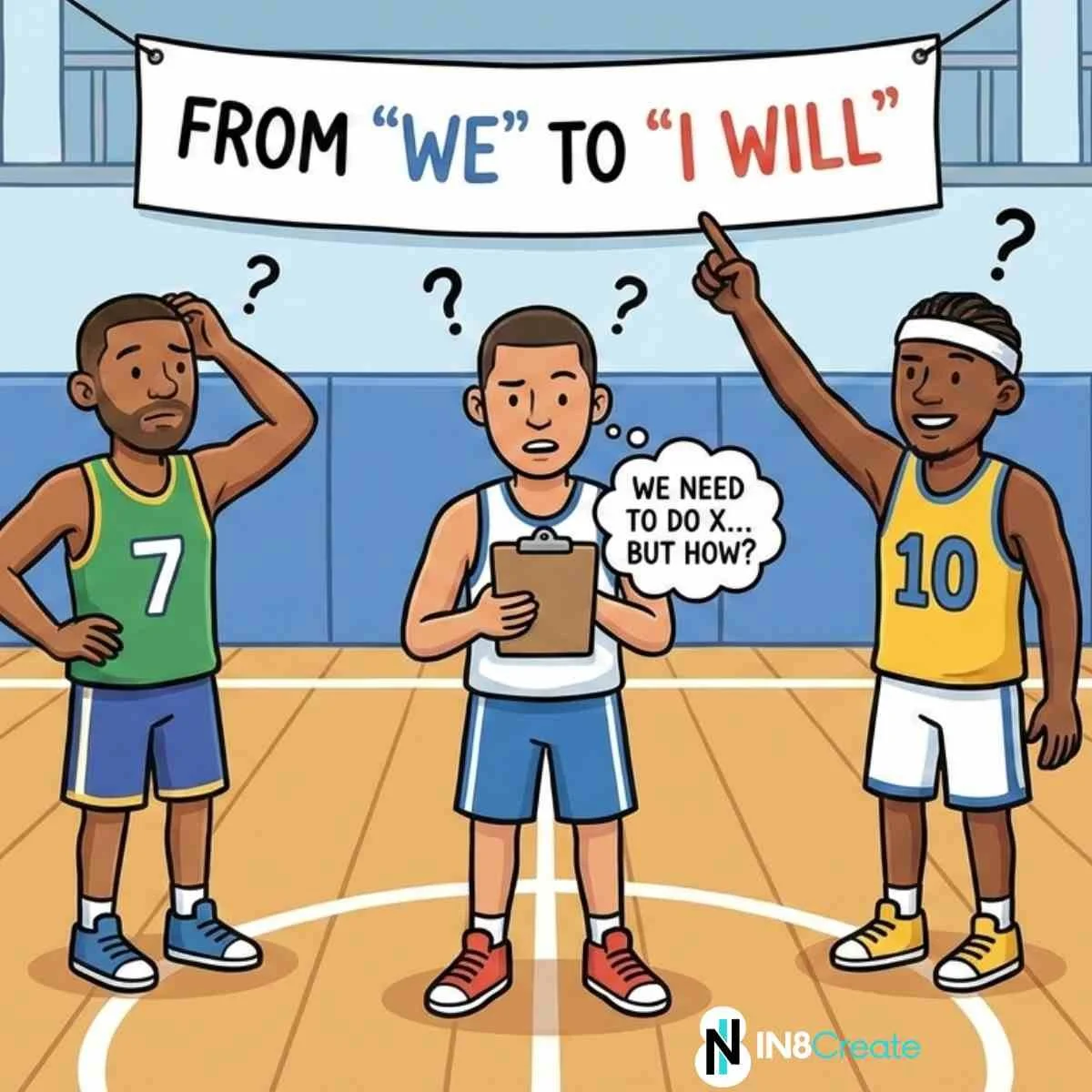
Why 'We Need To' Never Works
Everyone on my basketball team has great ideas. YouTube plays, motion offenses, elaborate strategies. None of it stuck—until we changed one word.

Team Laughter Builds Connection
Every "ha ha" after a colleague's mediocre joke? Social investment. Every shared chuckle over something mundane? Relationship building. Every moment of genuine team laughter? Strengthening the invisible bonds that make actual collaboration possible. The best teams understand something important: laughter isn't a break from the work. It's part of the infrastructure that makes the work successful.
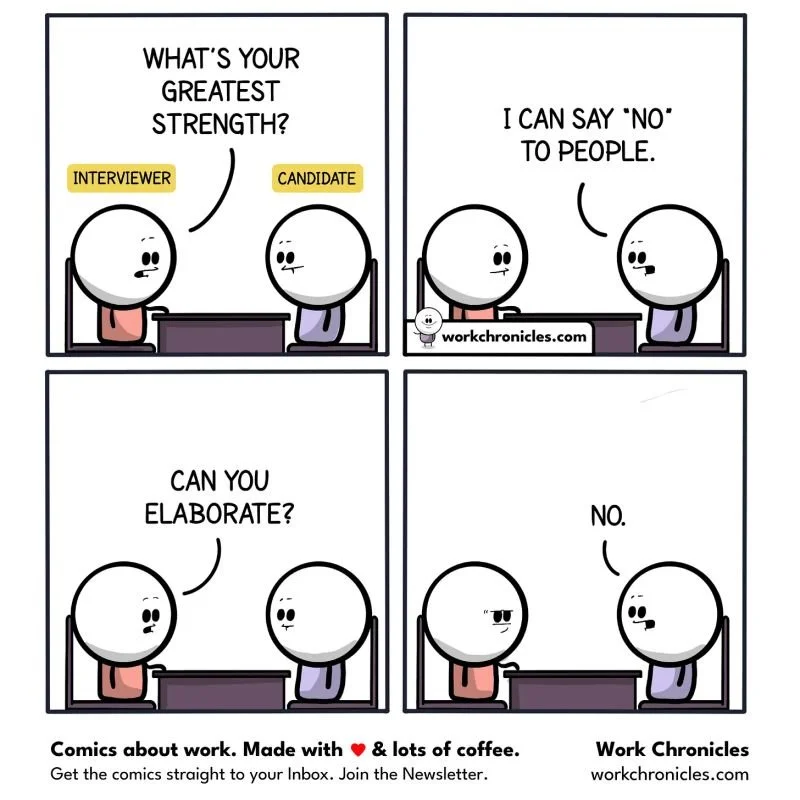
Why Your Team Won't Say No
Stop thinking psychological safety is some touchy-feely HR initiative. It's your organizational immune system. When your team's immune system is strong, problems surface early. Course corrections happen naturally. Disasters get prevented, not managed. When it's weak? People retreat into survival mode. Your team is constantly calibrating: "What happens when I speak up here?" The answer to that question, accumulated over dozens of small interactions, determines whether they'll save your next big initiative or watch it burn.

Why Workshops Matter
Most workshops are performative. You gather everyone in a room, go through the motions, check a box, and return to business as usual. Nothing shifts. Nothing improves. You've just created expensive theater. But here's what separates transformative workshops from time-wasting ones: Pattern disruption.

Why Team Buy-In Fails
Here's what you already know about your team: when you hand them the solution, they find seventeen reasons it won't work. When they build the solution themselves, they find seventeen ways to make it work better.

Those Who Don't Build Must Burn
As talent becomes harder and harder to attract and retain: Don't sacrifice your A-players to accommodate your C's.
That negative team member who's "not that bad" and "has some good qualities"? They're costing you far more than their salary. They're costing you the engagement, creativity, and performance of everyone around them.
There's an old Hindu proverb that says, "There are hundreds of paths up the mountain, all leading in the same direction, so it doesn't matter which path you take. The only one wasting time is the one who runs around and around the mountain, telling everyone that his or her path is wrong."

The Invisible Hand of Peer Accountability
In our increasingly virtual world, we need to be more intentional about building these peer connections. Because when team members truly see each other as people they're responsible to (not just people they work with), everything changes.

The Spaghetti Tower Challenge
Have you heard of Peter Skillman's Spaghetti Tower Challenge? (If you haven't participated yet, spoiler alert: I'm about to ruin the surprise.)
I did this exercise a few years back, and what happened completely flipped my understanding of how teams really work.

The Scoreboard Effect: How to Build Team Standards That Stick
Why teams lose their way when scoreboards appear. Discover how to build Core Constants—the unchanging standards that keep teams performing under pressure

Building Stronger Connections In Teams
That candy shell exists for a reason. It's protective, safe. If people reveal their chocolate, they could be hurt, altered, or worse - melted! The professional personas we build around ourselves serve a similar purpose. They're carefully crafted to present the version of ourselves we believe will be most successful in our work environment.

Team Trust Is Built in Moments Most People Miss
We create mental shortcuts about these people, usually based on very limited information, and those definitions influence our collaboration moving forward. Often, these snap judgments become self-reinforcing cycles that can be difficult to break.