
Insights

The Honeymoon Tax
Around 90 days into any big change, the energy goes quiet. The dashboard stays green. The strategy holds. But the thing that was moving is suddenly not. Here is the math behind why
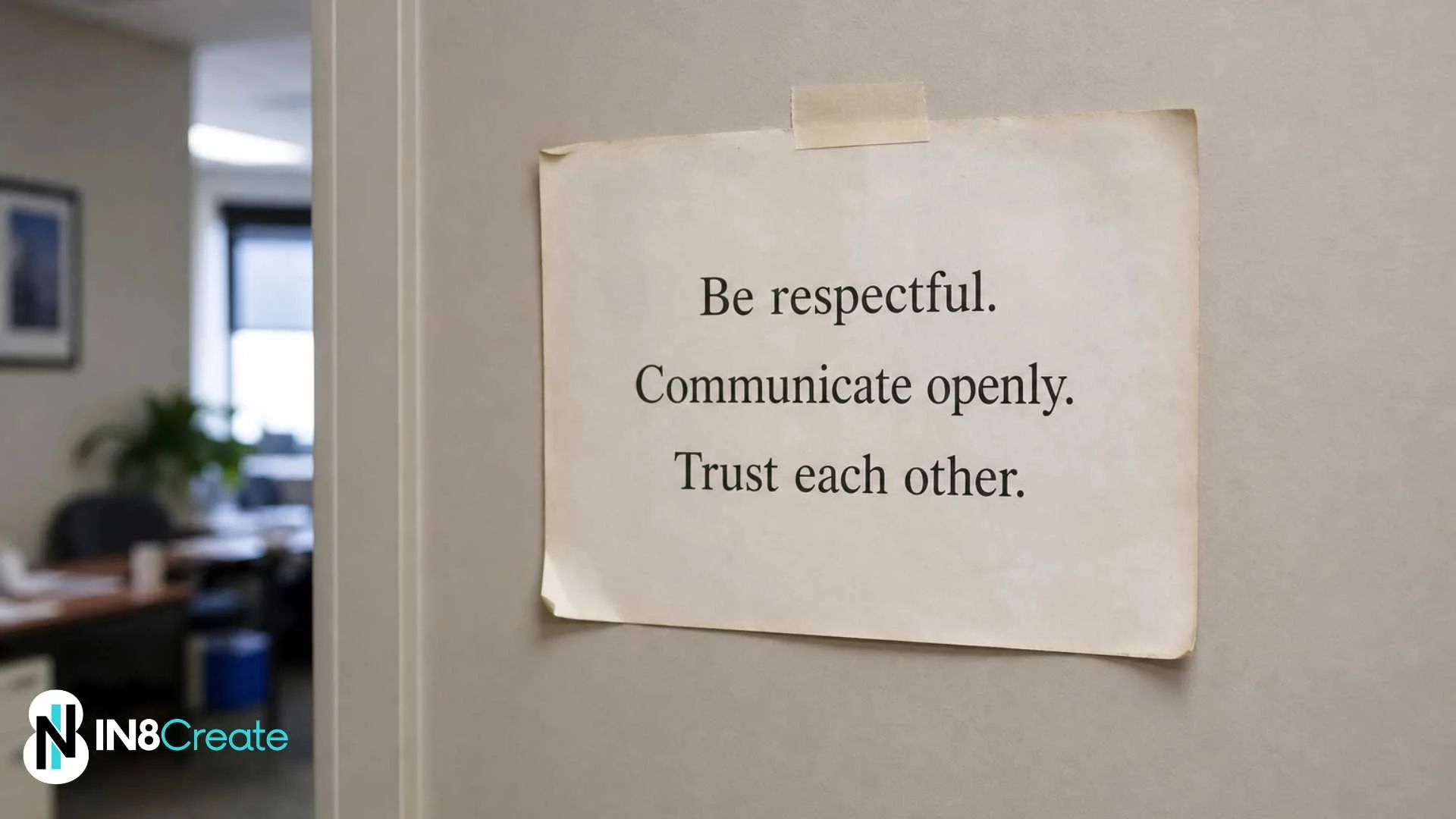
How to Write Team Working Agreements That Don't Become Posters
You know the arc. Someone schedules the session, sticky notes go up, the agreements get posted on a wiki page. Three months later somebody breaks one and the room kind of looks around. Most working agreements get written one of two ways, and both ways break. There is a third structure that holds up, and most teams have never tried it.
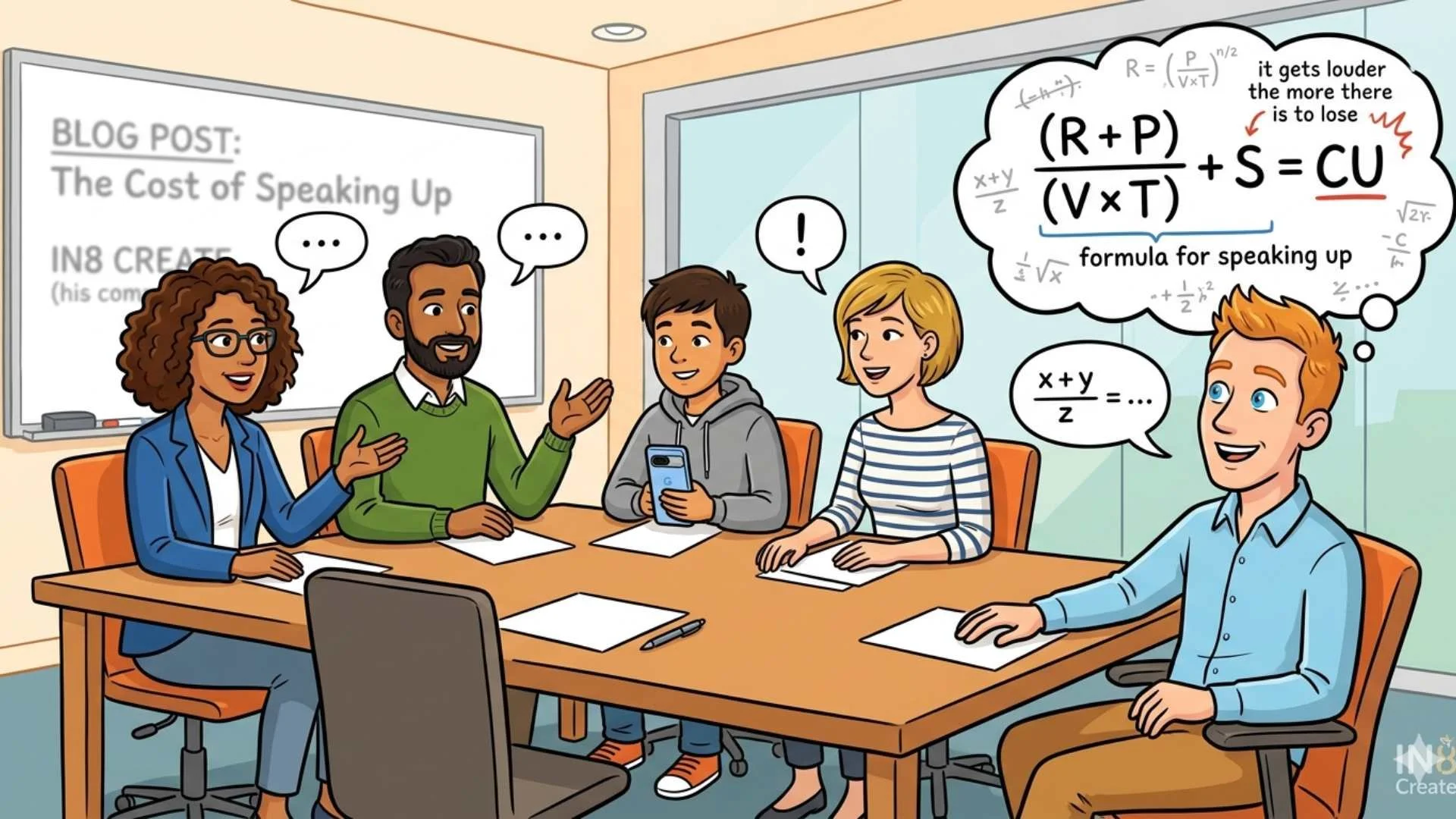
Your Team Is Doing Math In Every Meeting
Your team runs a quiet formula before speaking up in any high-stakes meeting. The math is rational, the silence is not weakness, and somewhere in that formula is a variable for you. Here is what they are calculating, and how to change the answer.

The Unspoken Expectations Killing Your Team
Your boss emails at 11:07 PM. Does she expect a response, or is she just working late? Your team is constantly guessing what you actually expect—and that guessing is quietly killing performance. One conversation about six specific questions can end the uncertainty forever.
The Timeline That Couldn't Exist
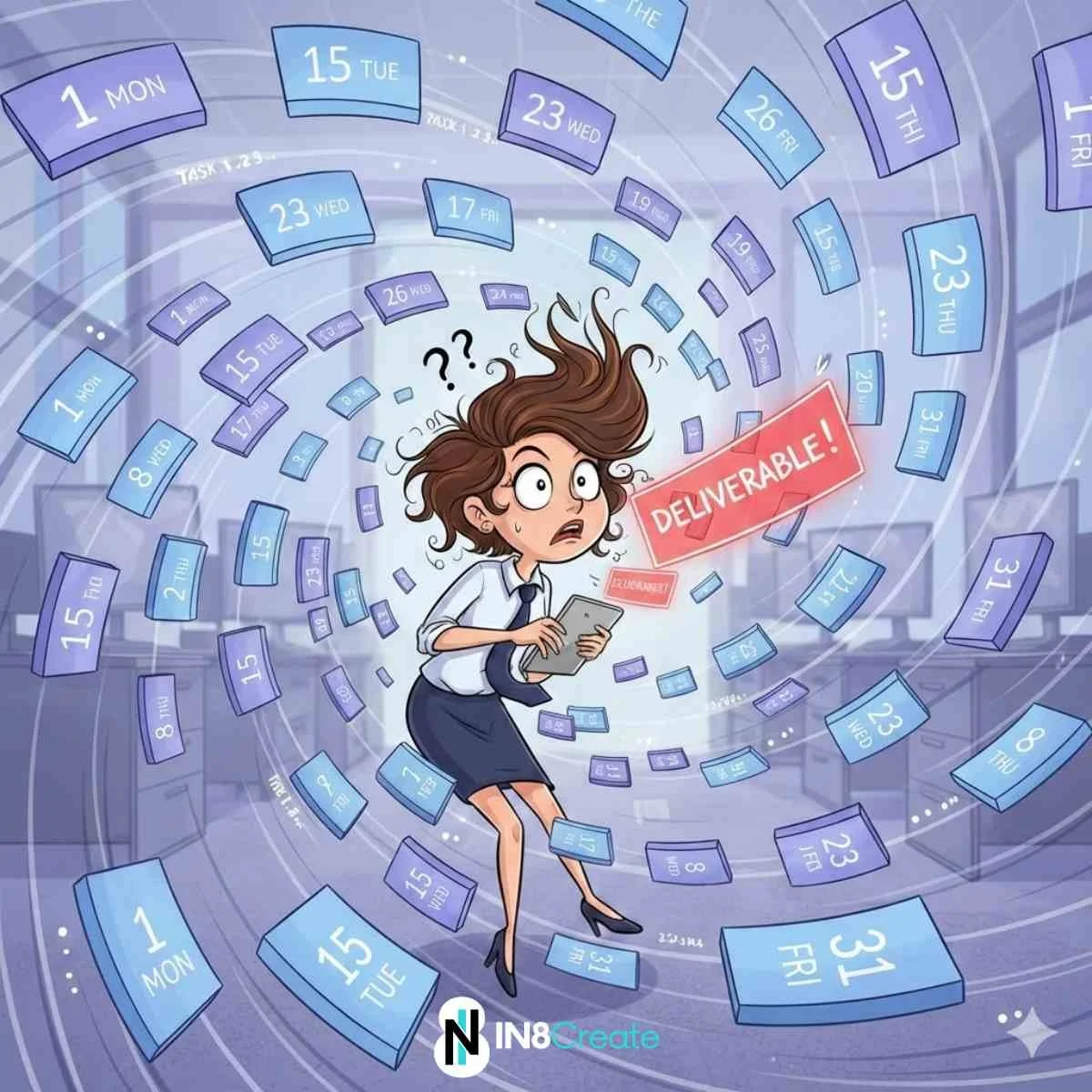
You've been in that meeting where Engineering says eight weeks, Product counters with four, and everyone knows none of these numbers are real. When the same team members work across 50+ projects, they should be excellent at estimating—and they are. The problem isn't their ability to predict timelines; it's their inability to trust that honest estimates will be respected. So they adapt. They calculate what they actually need, add 40%, and deliver completely unrealistic numbers that implode the entire schedule. The timeline problem is actually a trust problem. And the trust problem is actually a leadership problem.
How Are You Keeping Score?
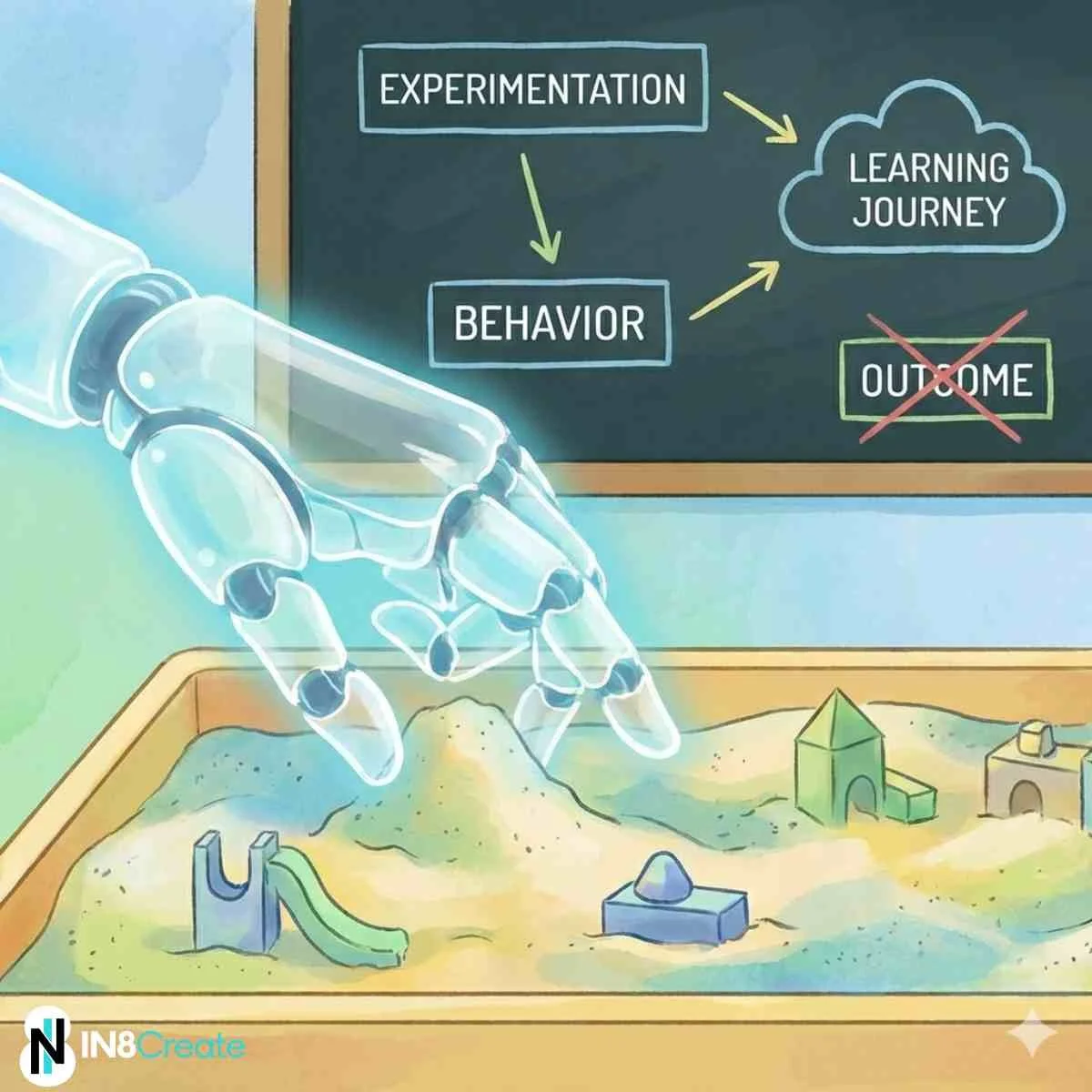
Your board is demanding AI adoption metrics, but you're navigating genuinely uncertain territory. Traditional outcome-based goals create anxiety when no one knows what success looks like yet. The solution? Shift to behavior-based goals like "teach AI one task you hate" or "use AI as a devil's advocate." These goals your team can actually achieve this week while building the experimentation habits that eventually lead to transformation. Start with your naturally curious people and let adoption cascade organically rather than mandating company-wide usage.
Silence is Communication
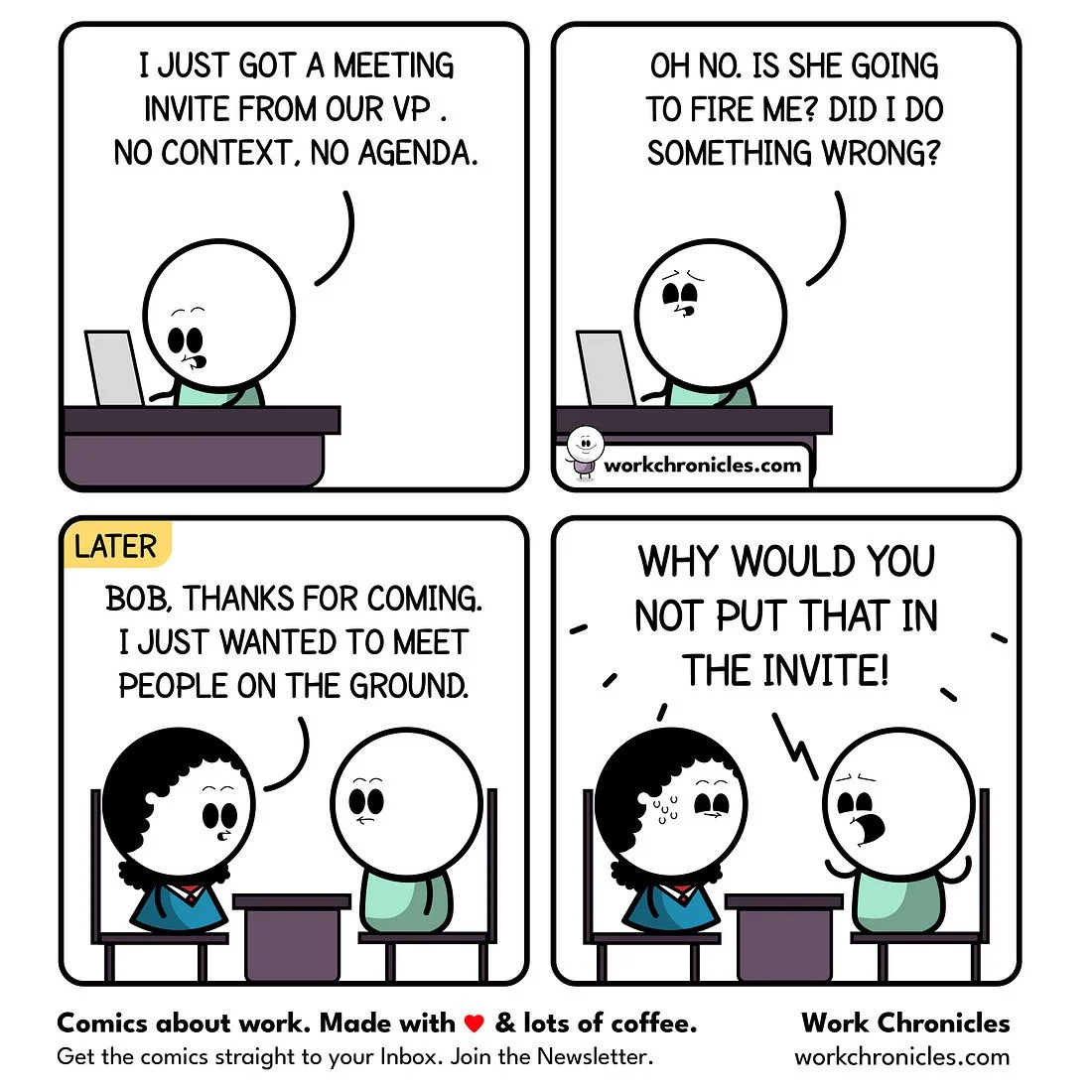
When leaders stay silent during organizational change, teams fill the information vacuum with worst-case assumptions. This triggers the brain's threat response, particularly around certainty - one of five domains in David Rock's SCARF model. Effective leaders communicate about uncertainty itself: acknowledge what's unknown, share what they do know, explain how decisions are being made, set update cadence, and give teams actionable steps.
Why Teams Respond to Change at Different Speeds
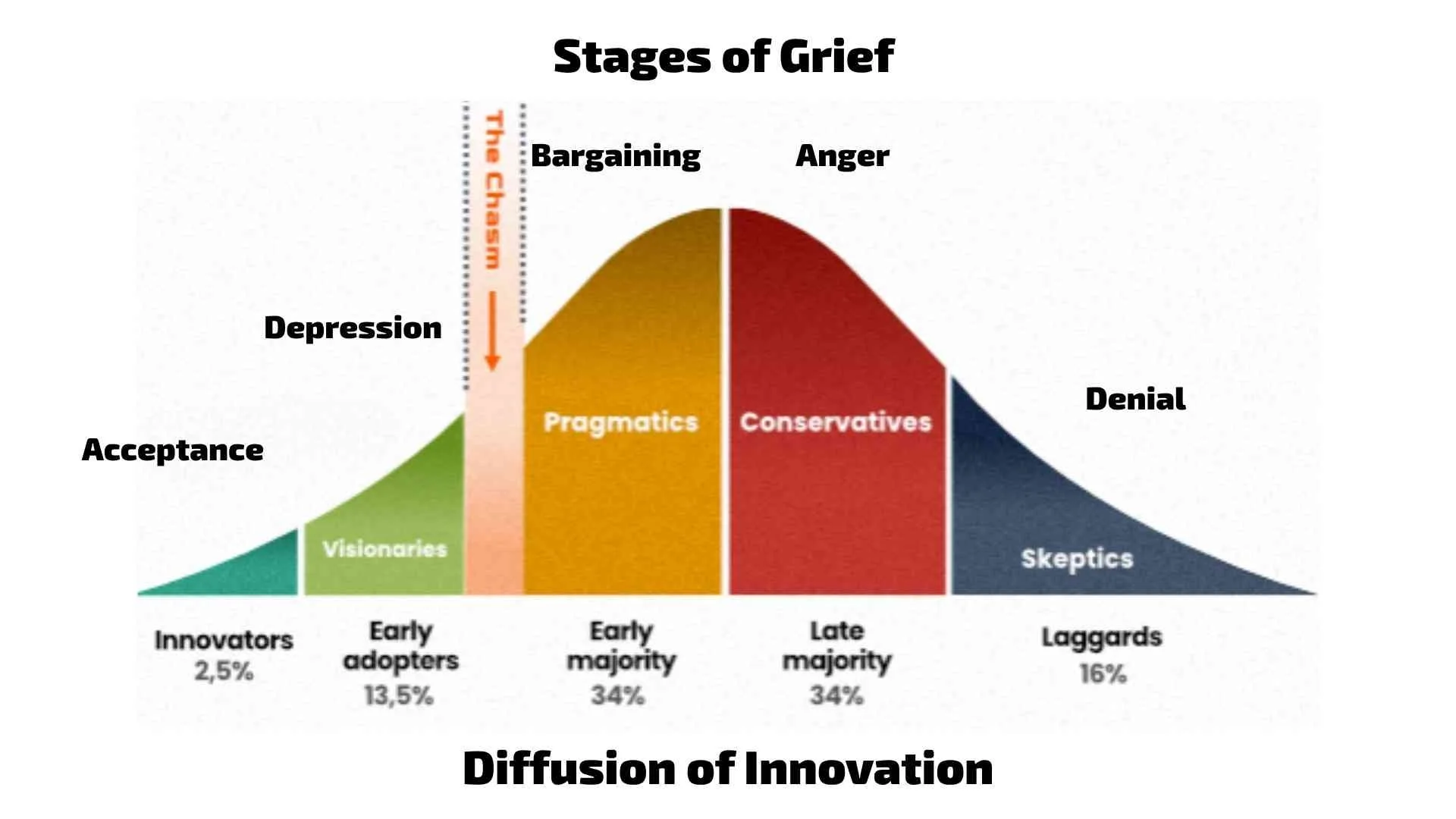
When you introduce change—whether it's a new tool, process, reorganization, or way of working—you're asking people to move through a predictable sequence of psychological stages. These stages show up across three different frameworks that, remarkably, tell the same story:
Innovation Adoption → Change Transition → Grief Response

How to Choose the Right Workshop Format for Your Corporate Offsite
At IN8 Create, we're 100% outcome-focused. When your team spends time together, you should walk away with something concrete in addition to the insights and connection.
Think about it this way: instead of just learning about communication challenges, your team actually works through their specific communication blockers and creates agreements for how to handle them going forward.

The Invisible Hand of Peer Accountability
In our increasingly virtual world, we need to be more intentional about building these peer connections. Because when team members truly see each other as people they're responsible to (not just people they work with), everything changes.

Behold the Power of the Notetaker
Stop treating the note-taking role like you're asking someone to clean the bathroom. This person is literally determining which ideas survive and which ones die in committee. Celebrate this role. Appoint someone who's actually good at it if possible. And if you're stuck doing it yourself, remember: you're not just documenting a meeting—you're preserving the thinking that could transform your team.
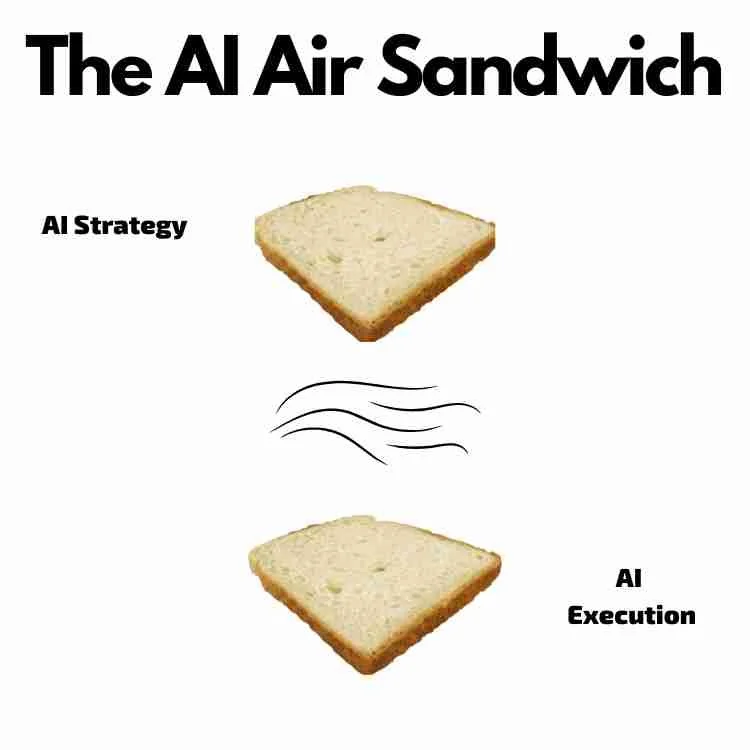
The Gap Between AI Strategy and AI Execution
Some people naturally excel with AI tools, while others struggle to find value. By framing AI adoption as exploratory—where LEARNING is the primary outcome—organizations can change the conversation entirely.