
Insights
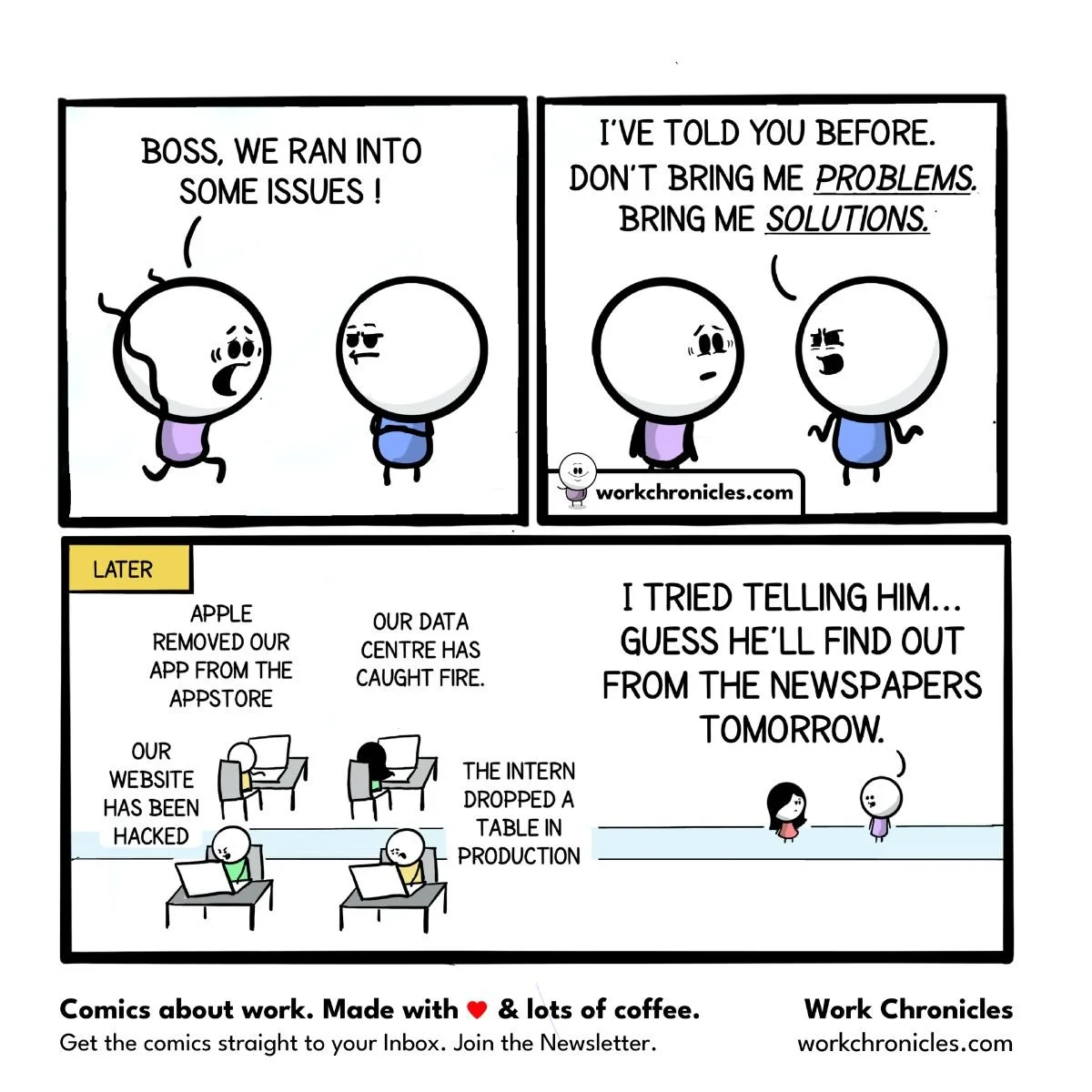
Why "Don't Bring Me Problems" Trains Your Team to Go Silent
The "bring me solutions, not problems" rule feels efficient. It actually trains your team into silence. Here's why the signal disappears and how to fix it.
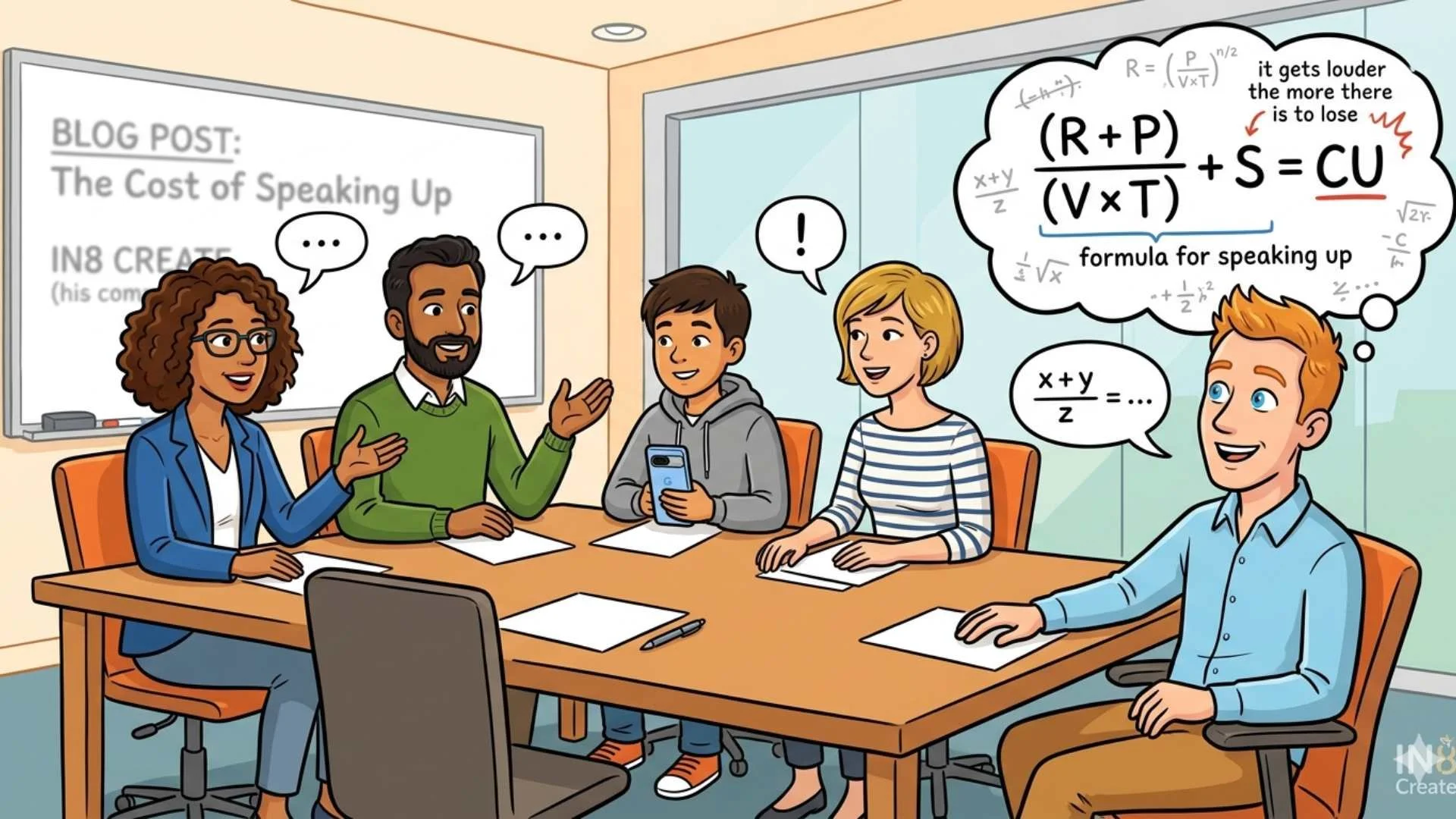
Your Team Is Doing Math In Every Meeting
Your team runs a quiet formula before speaking up in any high-stakes meeting. The math is rational, the silence is not weakness, and somewhere in that formula is a variable for you. Here is what they are calculating, and how to change the answer.
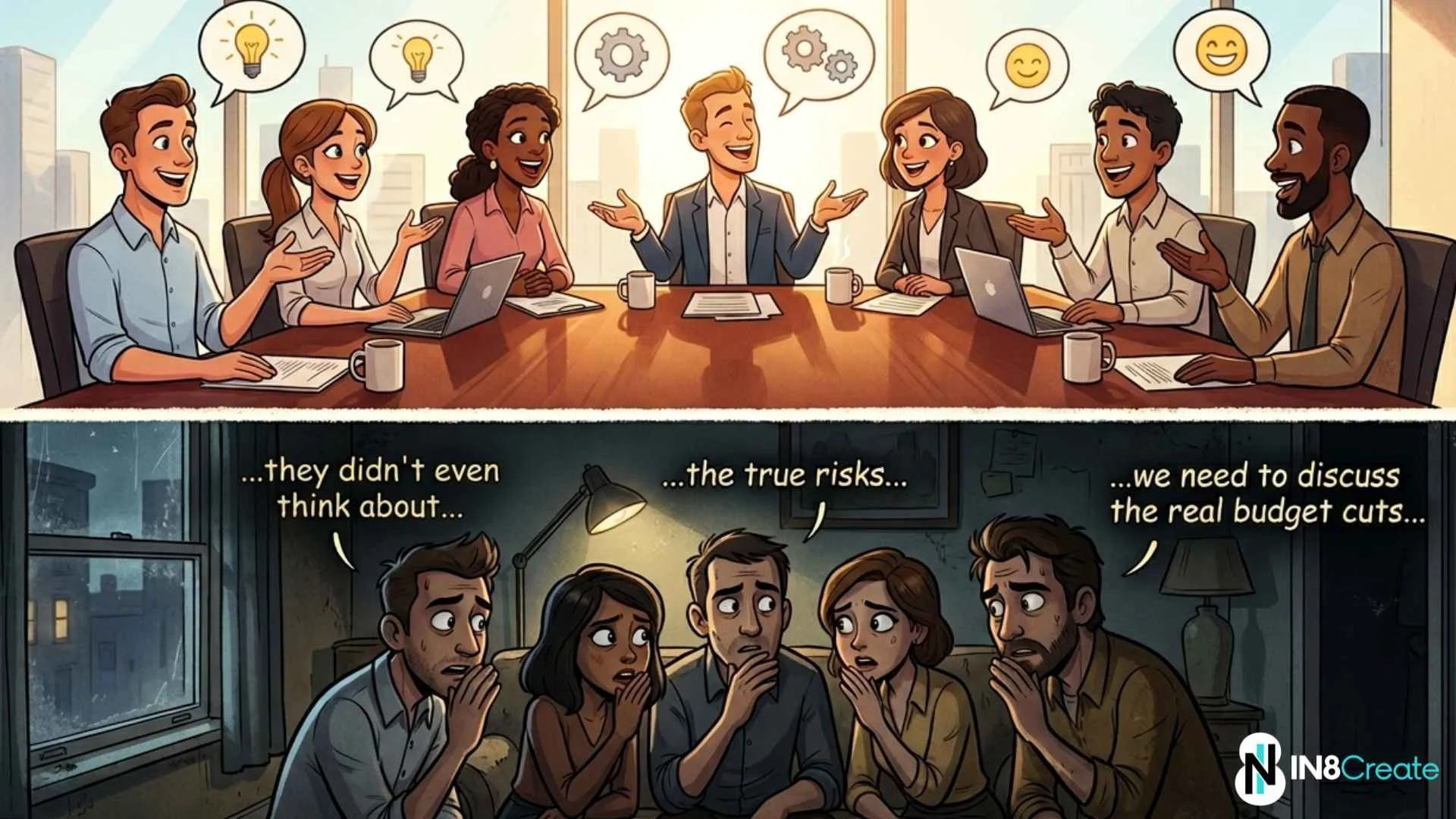
Your Team Isn’t Disengaged
Your team looks aligned in the meeting. But the real conversation is happening somewhere else. Here are the three layers of silence and how to bring teams back.

Why Your Team Navigates Change Alone
Your team is already comparing themselves to each other during change. They're just doing it silently, with bad data. Here's what happens when you make it visible.
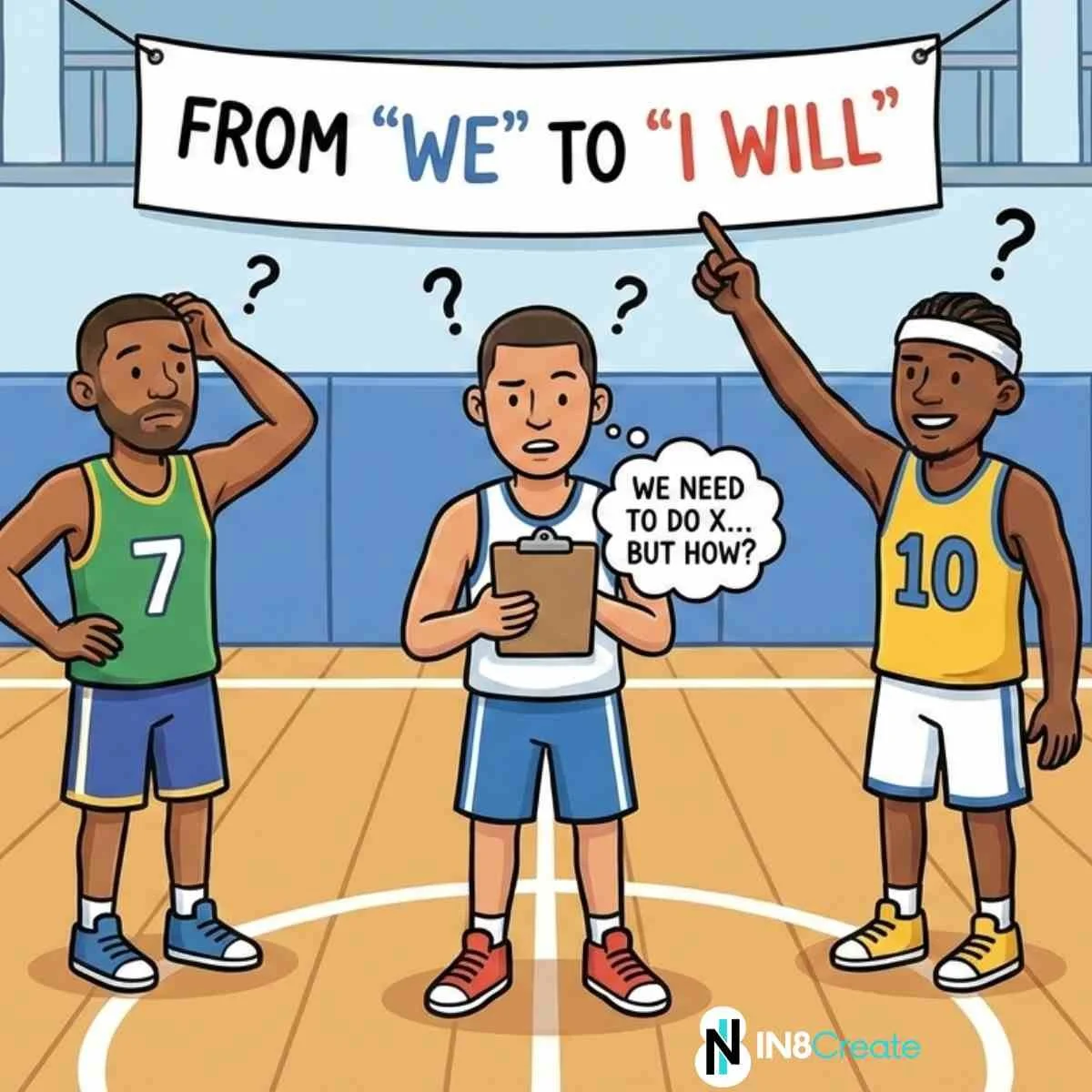
Why 'We Need To' Never Works
Everyone on my basketball team has great ideas. YouTube plays, motion offenses, elaborate strategies. None of it stuck—until we changed one word.

The Unspoken Expectations Killing Your Team
Your boss emails at 11:07 PM. Does she expect a response, or is she just working late? Your team is constantly guessing what you actually expect—and that guessing is quietly killing performance. One conversation about six specific questions can end the uncertainty forever.
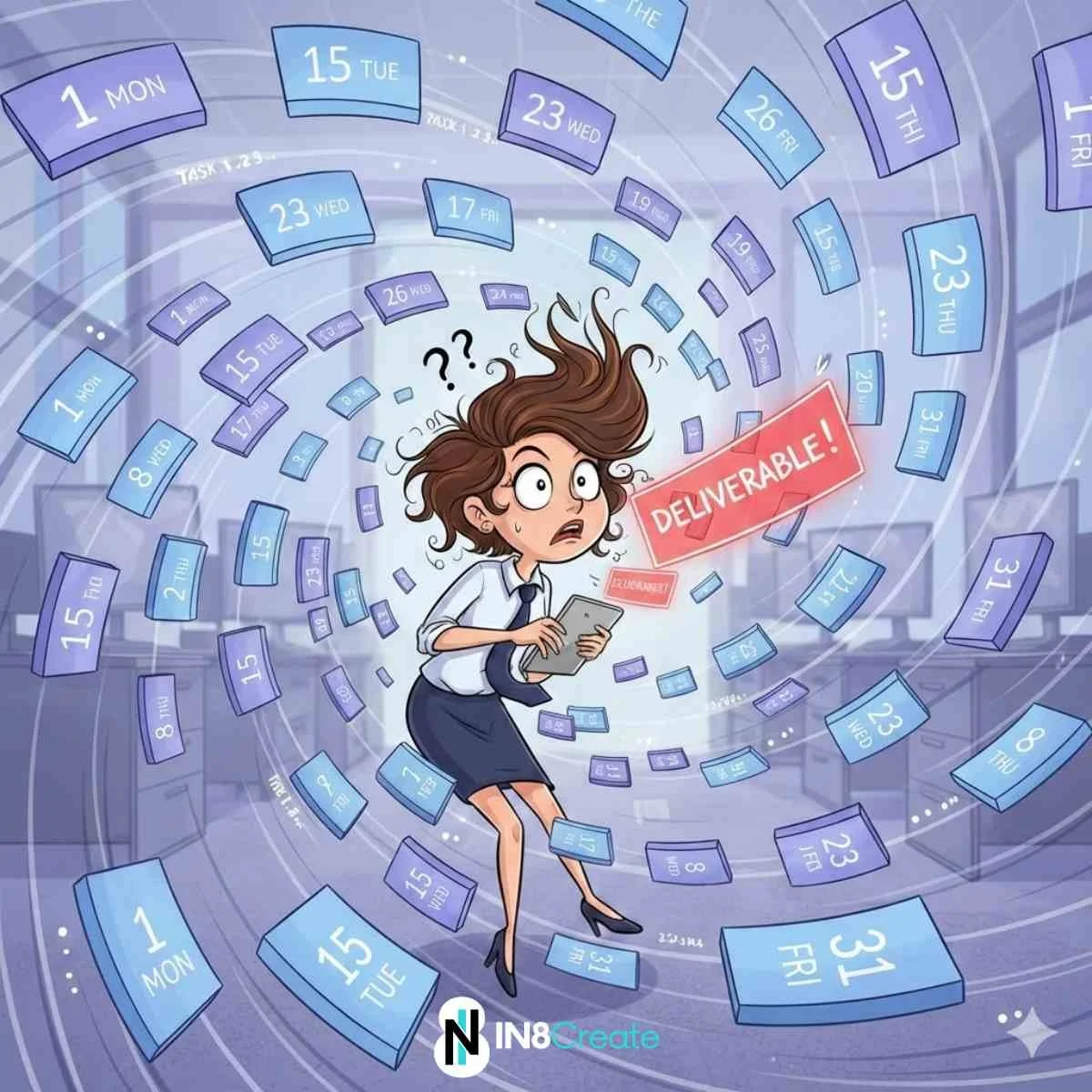
The Timeline That Couldn't Exist
You've been in that meeting where Engineering says eight weeks, Product counters with four, and everyone knows none of these numbers are real. When the same team members work across 50+ projects, they should be excellent at estimating—and they are. The problem isn't their ability to predict timelines; it's their inability to trust that honest estimates will be respected. So they adapt. They calculate what they actually need, add 40%, and deliver completely unrealistic numbers that implode the entire schedule. The timeline problem is actually a trust problem. And the trust problem is actually a leadership problem.

The Sliver Problem
Are you tired of circular conversations that never solve the real issue? It's like having a sliver—you can grab the top part, but the source of pain is buried deep beneath the surface. Most teams are being polite, lacking the language or methods to address the real conflict. In this post, you'll learn six practical ways to unearth buried team issues, from defining the actual problem to mapping conflicting goals with a 2x2 matrix. Plus, discover how we use LEGO Serious Play to help teams solve these problems in a psychologically safe way.
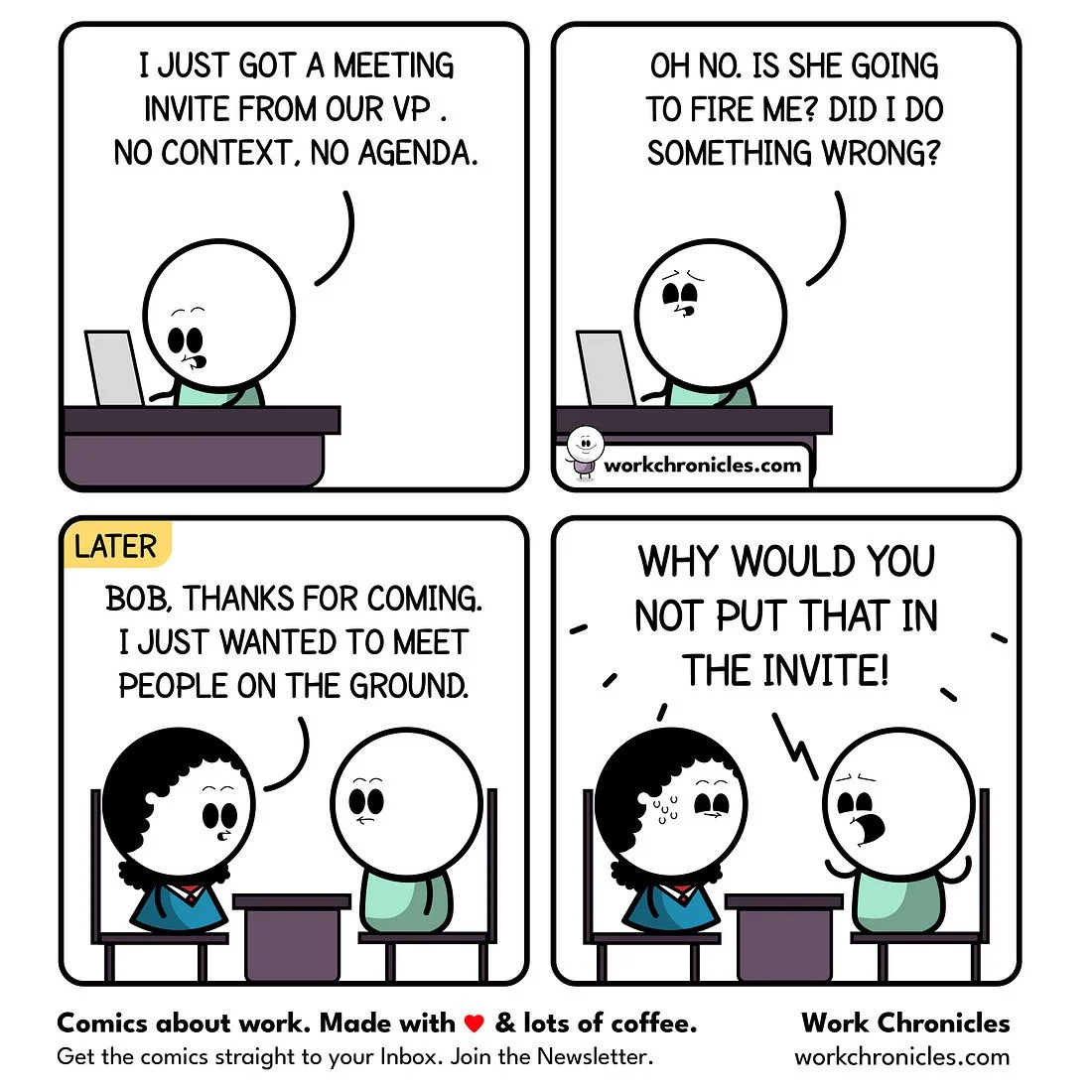
Silence is Communication
When leaders stay silent during organizational change, teams fill the information vacuum with worst-case assumptions. This triggers the brain's threat response, particularly around certainty - one of five domains in David Rock's SCARF model. Effective leaders communicate about uncertainty itself: acknowledge what's unknown, share what they do know, explain how decisions are being made, set update cadence, and give teams actionable steps.

Team Laughter Builds Connection
Every "ha ha" after a colleague's mediocre joke? Social investment. Every shared chuckle over something mundane? Relationship building. Every moment of genuine team laughter? Strengthening the invisible bonds that make actual collaboration possible. The best teams understand something important: laughter isn't a break from the work. It's part of the infrastructure that makes the work successful.
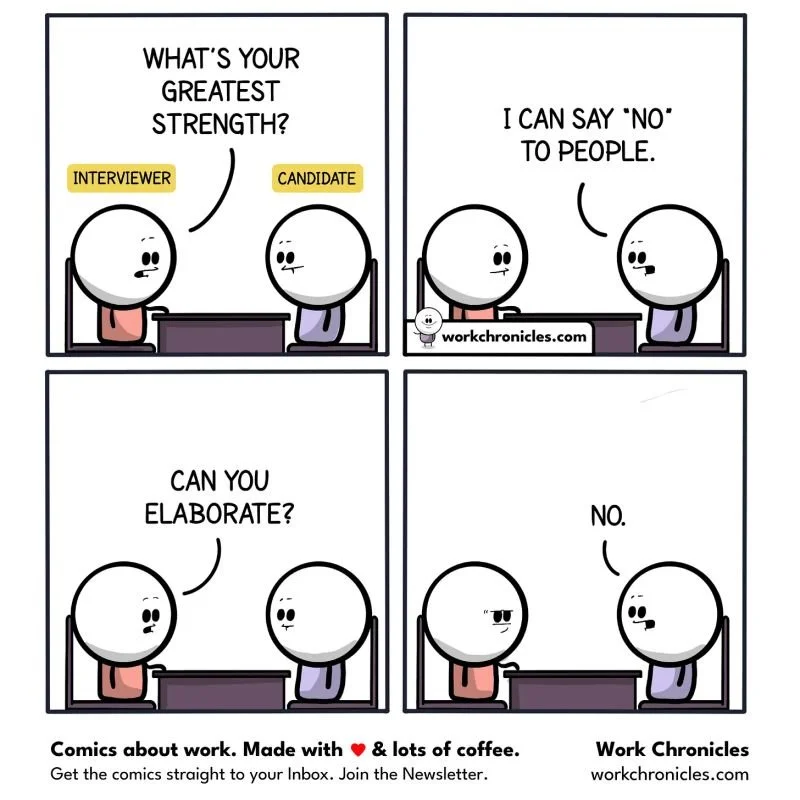
Why Your Team Won't Say No
Stop thinking psychological safety is some touchy-feely HR initiative. It's your organizational immune system. When your team's immune system is strong, problems surface early. Course corrections happen naturally. Disasters get prevented, not managed. When it's weak? People retreat into survival mode. Your team is constantly calibrating: "What happens when I speak up here?" The answer to that question, accumulated over dozens of small interactions, determines whether they'll save your next big initiative or watch it burn.

Stop Treating AI Adoption Like a Light Switch
I've had multiple friends and colleagues tell me AI is making their work HARDER. Seriously? The technology that's supposed to revolutionize everything is creating more friction, not less. Why? Because "AI as a strategy" doesn't work. AI is a tool. A powerful one, sure, but still just a tool. And like any tool, it's only useful when you understand what problem you're trying to solve.