Building Resilient, Adaptable Teams That Thrive Through Change
Navigate Uncertainty, Strengthen Bonds, and Transform Challenges into Competitive Advantages

Teams, like resilient flowers, find ways to thrive despite challenging conditions. The strongest organizations aren't those that avoid obstacles, but those that develop the adaptive capacity to grow through uncertainty, change, and constraint. When teams build genuine connections and shared understanding, they create the foundation needed to flourish wherever they're planted—turning limitations into opportunities and pressure into breakthrough performance.
Introduction
In today's rapidly evolving workplace, your team's ability to adapt isn't just an advantage—it's essential for survival. Whether you're navigating digital transformation, managing remote collaboration, or facing unexpected market shifts, the difference between teams that crumble and those that excel comes down to one thing: adaptive resilience.
But here's what most leaders miss: resilience isn't about toughness or pushing through adversity. It's about creating systems, relationships, and mindsets that allow your team to bend without breaking, to evolve without losing their core identity, and to find opportunity in every challenge.
This comprehensive guide explores the six critical dimensions of team adaptability, drawing from real-world experiences and proven strategies to help you build a team that doesn't just survive change—they leverage it for growth.
Table of Contents
- Mastering Team Change Management: From Resistance to Readiness
- Building Resilient Teams: The Foundation of Sustained Performance
- Optimizing Team Performance Under Pressure: When Stakes Are Highest
- Remote Team Adaptation: Beyond Geographic Distance
- Strengthening Team Trust and Relationships: The Invisible Infrastructure
- Developing Team Systems Thinking: Seeing the Bigger Picture
- FAQ
Master blacksmiths know that metal's true potential emerges only under intense heat and pressure. Cold steel resists every effort to reshape it, remaining rigid and brittle. But when heated to the right temperature—glowing red-hot and malleable—even the strongest iron yields to purposeful force, taking on new forms that make it stronger and more useful than before. The experienced smith reads the subtle color changes, feeling for the precise moment when the metal becomes workable without losing its essential strength.
Leading teams through change requires similar mastery. Teams that remain "cold"—isolated, defensive, and stuck in familiar patterns—resist transformation and crack under pressure. But when leaders create the right conditions—psychological safety, shared purpose, and genuine connection—teams become remarkably adaptable. They bend without breaking, reshape themselves around new challenges, and emerge stronger from the process. The art lies in building the foundations needed for change: trust that runs deep enough, communication that flows freely enough, and shared commitment that burns bright enough to forge something extraordinary together.
Mastering Team Change Management: From Resistance to Readiness
Your team's response to change often follows predictable patterns. Some embrace it immediately, others resist reflexively, and many simply freeze in uncertainty. Understanding these patterns—and having strategies to address them—determines whether change becomes your catalyst or your crisis.
The secret to successful change management isn't forcing adoption or overwhelming people with positivity. It's creating psychological safety where team members can express concerns, experiment without fear of failure, and gradually build confidence in new approaches. Teams unite under pressure not because pressure makes them stronger, but because shared challenges create bonds that individual success never could.
Consider implementing "bare bones" approaches where teams can prototype changes before full implementation. This reduces the overwhelming nature of transformation while building buy-in through small wins. When people see their input shaping the change rather than change being imposed upon them, resistance transforms into ownership.
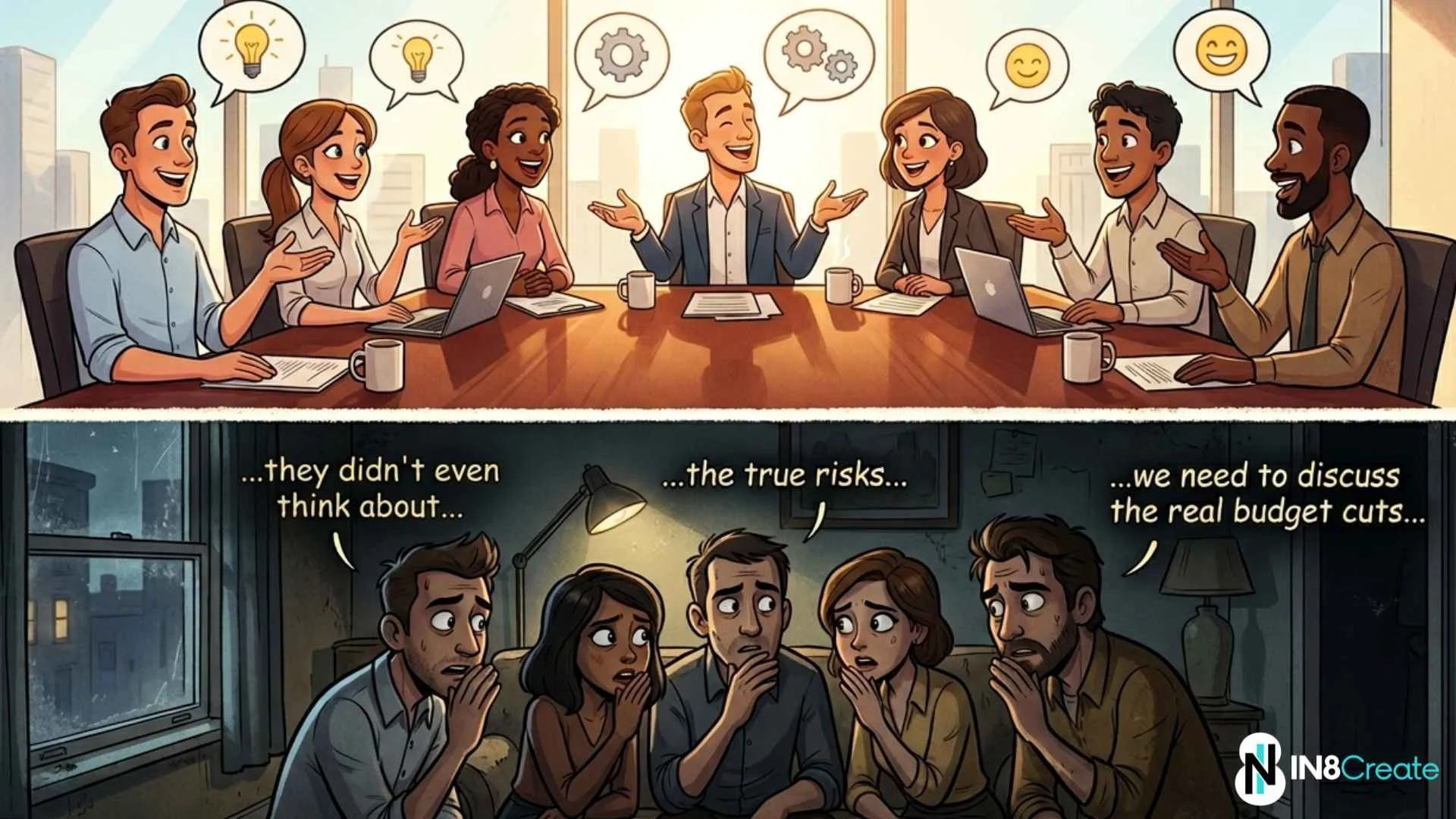
Your team looks aligned in the meeting. But the real conversation is happening somewhere else. Here are the three layers of silence and how to bring teams back.
Your team is already comparing themselves to each other during change. They're just doing it silently, with bad data. Here's what happens when you make it visible.
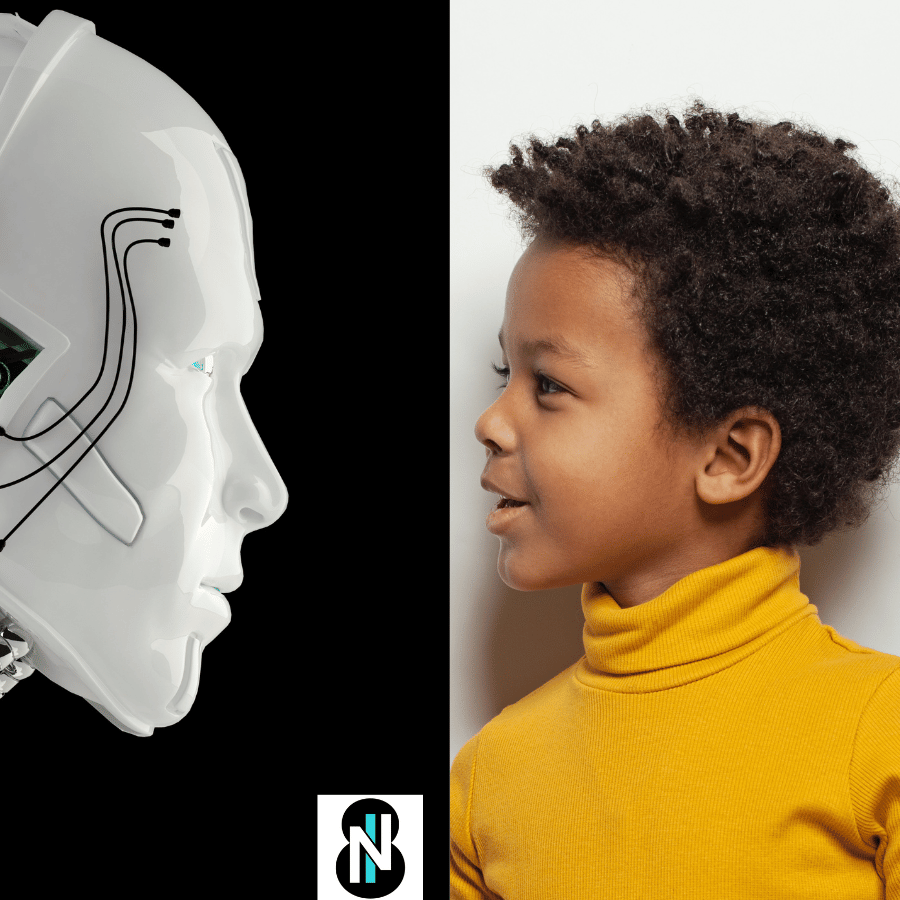
AI is changing work fast, but human connection, creativity, and judgment aren't just surviving—they're becoming your only competitive advantage.
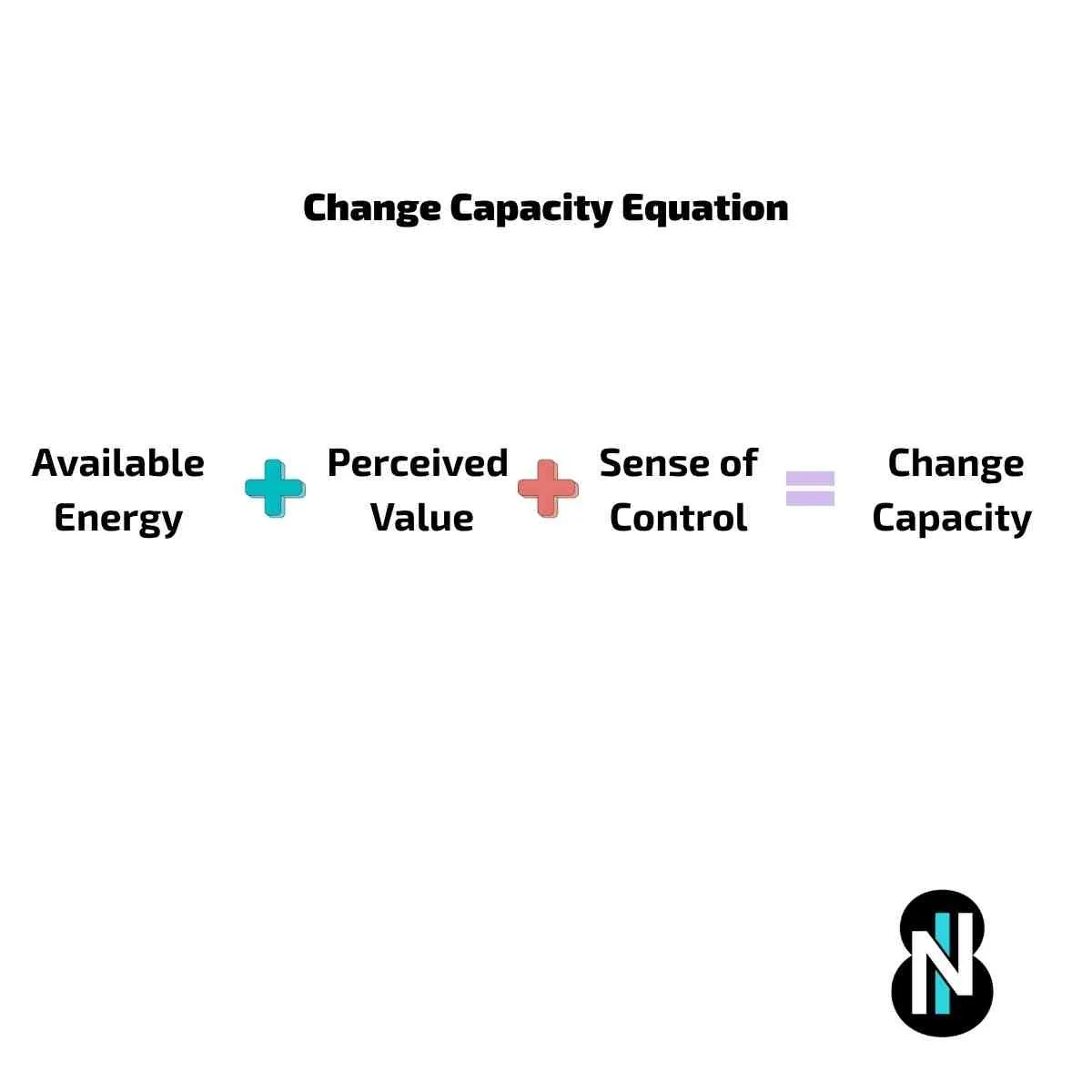
When you choose change, it energizes. When change is thrust upon you, it exhausts. Here's why your team needs agency in how transformation happens.
Here's what makes adaptation possible: when your team's identity and your organization's purpose are clear, you can show how this change serves that shared purpose. When people see the change isn't random—it's in service of something they already believe in—the energy for adaptation becomes available. That doesn't mean resistance disappears. But it transforms from "why are we doing this?" to "how do we do this well?"
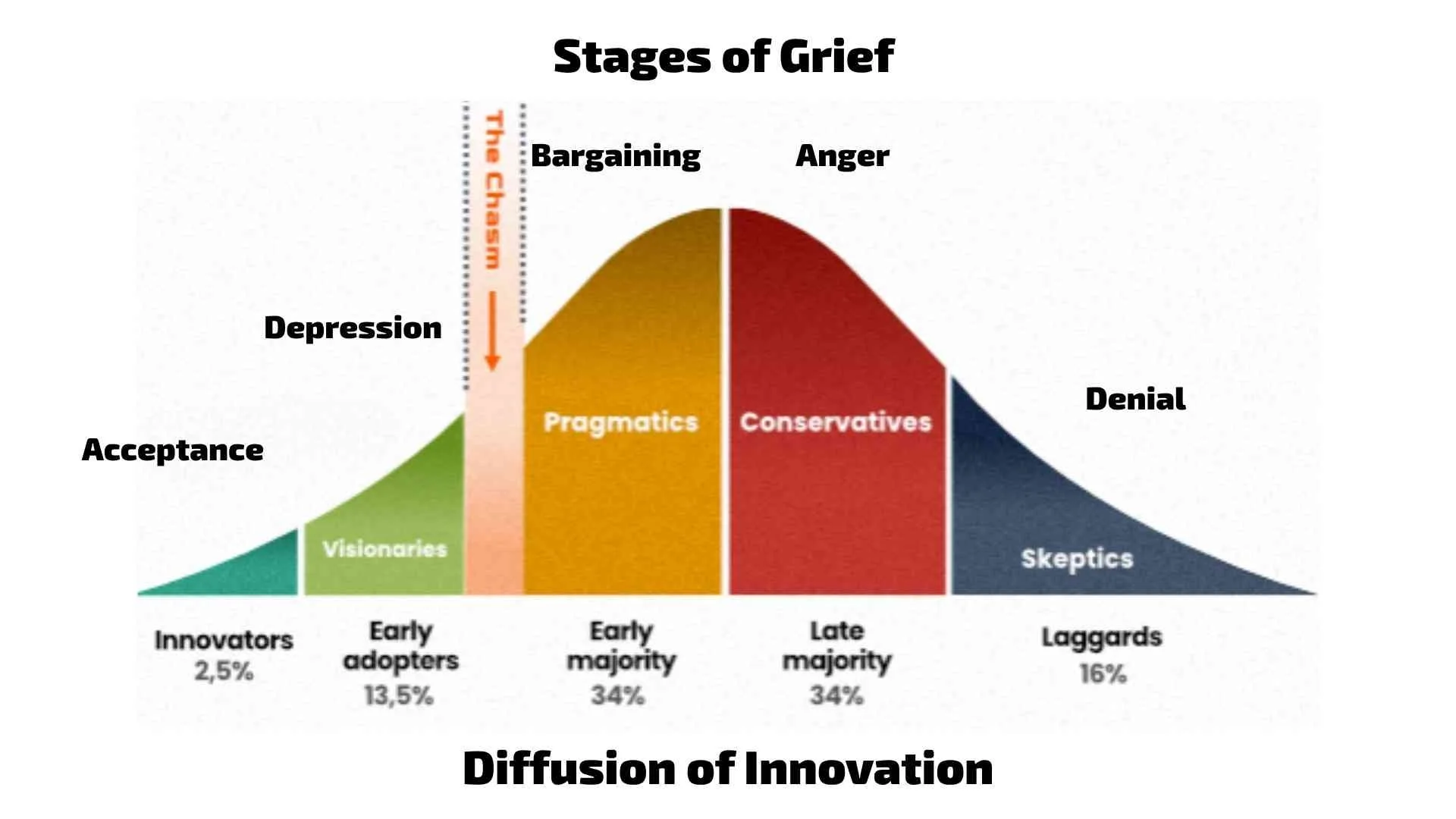
When you introduce change—whether it's a new tool, process, reorganization, or way of working—you're asking people to move through a predictable sequence of psychological stages. These stages show up across three different frameworks that, remarkably, tell the same story:
Innovation Adoption → Change Transition → Grief Response
Is your team ready for change? Look for these signs:
Trust that runs deep enough for people to be vulnerable about their struggles
Communication that flows freely without political filtering or fear
Shared commitment that burns bright enough to sustain effort through difficulty
Without these foundational elements, your change efforts will feel like hammering cold steel—lots of noise, little progress, and potential damage.
These scenarios never cease to amaze me because of how deeply connected they make us feel. They tap into our identity as valued members of our work community, and when that community faces a crisis, people respond instinctively. This might mean staying late, contributing extra effort, or stepping outside comfort zones to help the team succeed.
In today's knowledge economy, no role exists in isolation. Your success is interconnected with adjacent teams and roles – both up and down the organizational hierarchy. Like the Contra code itself, success requires understanding patterns and sequences that might not be immediately obvious.?
Friction is what stands between good teams and greatness. Like its physical counterpart, organizational friction creates resistance, slows progress, and diverts energy away from its intended purpose. But what causes this friction, and more importantly, how can teams overcome it?
The conservative approach may stifle growth by not changing or growing fast enough (Blockbuster anyone?) The progressive approach may change too much and too fast, creating chaos. Not every idea is a good idea, (Many are just downright bad) and risk is part of doing anything new. Thus a balance will be struck somewhere in-between based on the core attitudes and beliefs of the organization or group.
Building Resilient Teams: The Foundation of Sustained Performance
Resilient teams aren't built through motivational speeches or trust falls. They're cultivated through deliberate practices that strengthen both individual capacity and collective support systems. Think of resilience as a muscle that needs regular exercise, not a trait that some teams naturally possess.
The foundations of amazing teamwork reveal that resilience emerges from five interconnected elements: trust, psychological safety, shared purpose, mutual accountability, and systems awareness. When these elements align, teams develop what researchers call "collective efficacy"—the shared belief that together, they can handle whatever comes their way.
Start by creating regular opportunities for controlled challenge and recovery. Just as athletes alternate between intense training and rest, teams need cycles of stretch and support. This might mean tackling ambitious projects followed by reflection periods, or rotating leadership responsibilities to build bench strength across your team.
You've read 47 AI posts this week. There's a reason. Festinger named it in 1954, and it's quietly running every AI rollout happening right now. When people are uncertain, they look at each other before they look at the tool. The leaders who get adoption right aren't the ones with the best strategy. They're the ones building the room where honest reactions can surface. Here's what that looks like.
Your team is already comparing themselves to each other during change. They're just doing it silently, with bad data. Here's what happens when you make it visible.
AI is changing work fast, but human connection, creativity, and judgment aren't just surviving—they're becoming your only competitive advantage.
When you choose change, it energizes. When change is thrust upon you, it exhausts. Here's why your team needs agency in how transformation happens.
Here's what makes adaptation possible: when your team's identity and your organization's purpose are clear, you can show how this change serves that shared purpose. When people see the change isn't random—it's in service of something they already believe in—the energy for adaptation becomes available. That doesn't mean resistance disappears. But it transforms from "why are we doing this?" to "how do we do this well?"
When you introduce change—whether it's a new tool, process, reorganization, or way of working—you're asking people to move through a predictable sequence of psychological stages. These stages show up across three different frameworks that, remarkably, tell the same story:
Innovation Adoption → Change Transition → Grief Response
As talent becomes harder and harder to attract and retain: Don't sacrifice your A-players to accommodate your C's.
That negative team member who's "not that bad" and "has some good qualities"? They're costing you far more than their salary. They're costing you the engagement, creativity, and performance of everyone around them.
There's an old Hindu proverb that says, "There are hundreds of paths up the mountain, all leading in the same direction, so it doesn't matter which path you take. The only one wasting time is the one who runs around and around the mountain, telling everyone that his or her path is wrong."
When everyone understands and plays their role, it showcases individual talents while bringing out the best in the team. Some people are natural scorers, others are defensive specialists, and some excel at rebounding. In the workplace, these roles look different - maybe you have your strategic thinkers, your detail-oriented executors, and your relationship builders - but the principle remains the same.
How many of us have worked with people who are like oil and water? Team members who just don't naturally mix, creating friction rather than flow? Well, just like our hollandaise, we just need to find the right emulsifier!
Through our work with teams, we've discovered that effective team emulsification happens in layers, each one strengthening the bonds between team members.
Creating an exceptional team requires intention and effort, but the rewards are worth the investment. When these six foundations are firmly established and actively maintained, teams can achieve remarkable results while creating an environment where everyone flourishes. Excellence in teamwork isn't accidental - it's the product of careful cultivation of these essential elements.
Engagement, Retention, and Experience, OH MY! This was the the theme of last nights joyful networking event. Some of the questions: 🤔 Build a model that shows what environments or conditions you have found to be most conducive to fostering employee engagement🤔💡 Build a model that that shows what strategies you have used to measure and improve retention rates🤔💡🤖 Build a model that shows how technology has transformed engagement, retention, and/or employee experience in your organization. This goes to show the power of LEGO Serious Play and how it can connect and engage both teams and people who don’t work together.
As we hopefully near the end of the pandemic, the focus on community is strong. People are finding new virtual communities, re-entering in person communities, and forging hybrid variations. As we develop and grow our communities moving forward, we will build strong and healthy ones by focusing on the pillars of purpose, activities, relationships, and exchange
Optimizing Team Performance Under Pressure: When Stakes Are Highest
Pressure reveals character—both individual and collective. Your team's ability to maintain performance when stakes escalate depends less on their technical skills and more on their emotional regulation, communication patterns, and shared mental models.
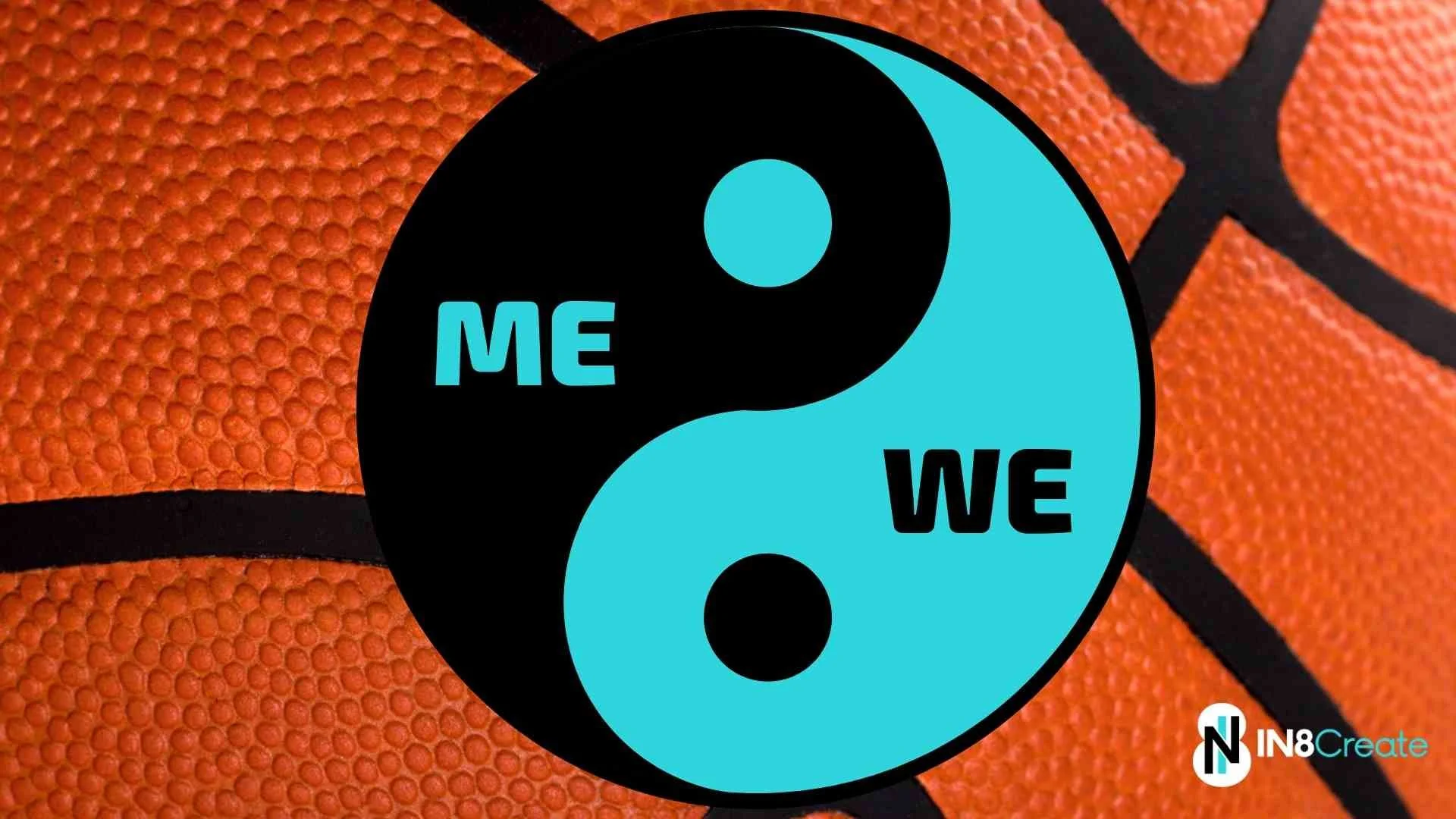
High-pressure situations often trigger our worst collaborative instincts. The extroverts dominate, the introverts withdraw, and everyone defaults to protecting their own interests. But teams that excel under pressure have learned to navigate the art of "we vs me", balancing individual excellence with collective success.
Create pressure simulations during low-stakes periods. Practice decision-making under time constraints, establish clear communication protocols for crisis situations, and develop shared language for stress signals. When actual pressure arrives, these practiced patterns become your team's default response rather than panic or paralysis.
AI is changing work fast, but human connection, creativity, and judgment aren't just surviving—they're becoming your only competitive advantage.
Here's what makes adaptation possible: when your team's identity and your organization's purpose are clear, you can show how this change serves that shared purpose. When people see the change isn't random—it's in service of something they already believe in—the energy for adaptation becomes available. That doesn't mean resistance disappears. But it transforms from "why are we doing this?" to "how do we do this well?"
These scenarios never cease to amaze me because of how deeply connected they make us feel. They tap into our identity as valued members of our work community, and when that community faces a crisis, people respond instinctively. This might mean staying late, contributing extra effort, or stepping outside comfort zones to help the team succeed.
Think about it - when was the last time you saw an entire team fully present, genuinely interested in each other's perspectives? Not just going through the motions of team building, but truly connecting?
We all know that finding purpose in our work is one of the most important factors in job satisfaction and overall happiness. Yet here's the uncomfortable truth: most of us find ourselves in roles that align more with our skills and market demand than our childhood dreams. And you know what? That's perfectly okay.
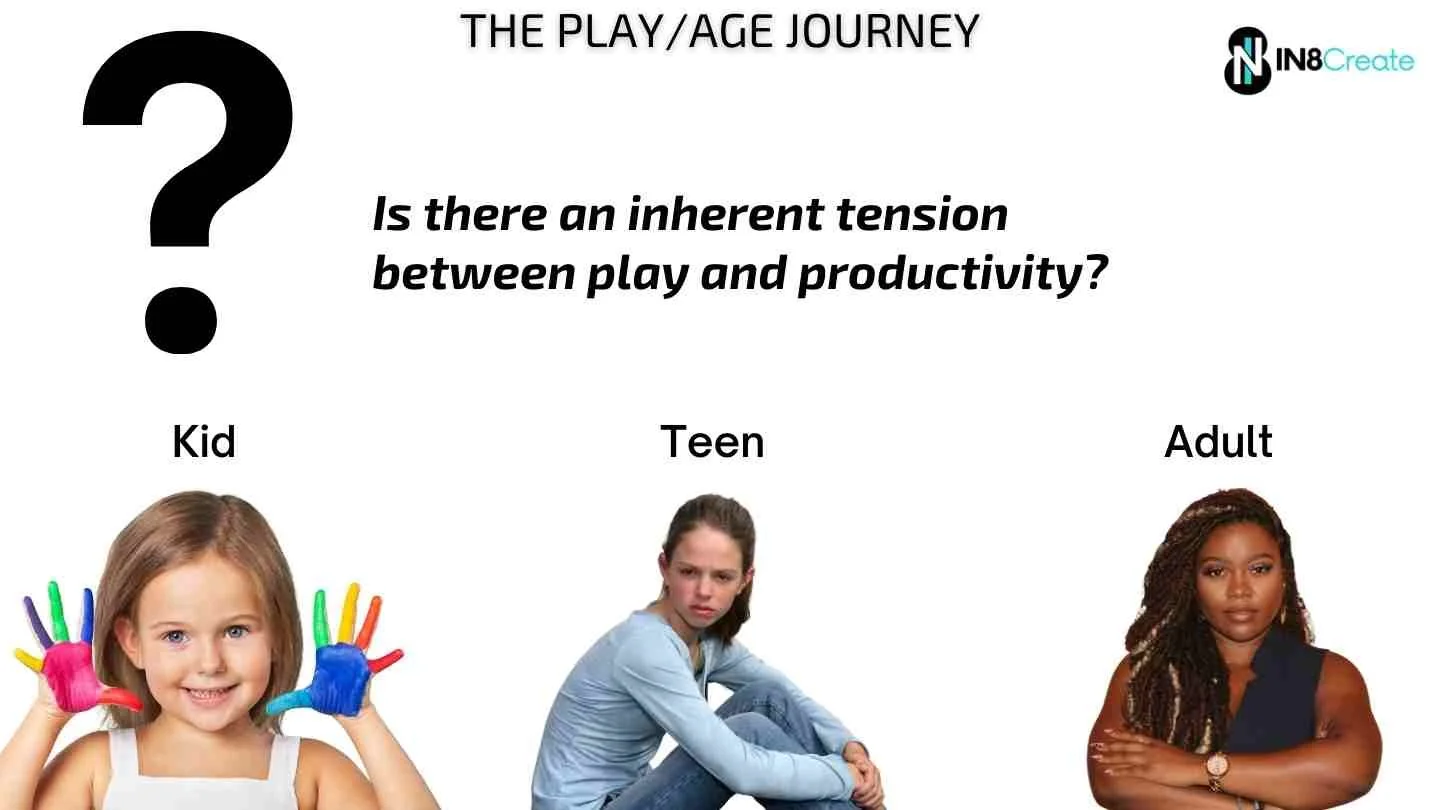
Yet the best teams, the most engaged, prosocial, and connected, use play.
Play connects us, play opens up our neural pathways, play diminishes group norms, play brings our true self to the table.
As we get more and more tools to improve efficiency and communication, it will become even more important for organizations to figure out how to empower teams to work together at their best. This is no easy task, especially in the face of more challenging ways of working; remote, hybrid, and distributed. My hypothesis is that the most important skills to build right now are people skills. The capacity to collaborate, innovate, and create together is where the true value will be in the coming years.
Imagine pouring your best effort into a project or deck, only to have it completely reversed or changed when shared. Not only is this a detriment to engagement of an employee or team, but it might even result in turnover if it happens often.
This is a huge problem for leaders that are not great communicators.
Remote Team Adaptation: Beyond Geographic Distance
Remote work isn't just about location—it's about reimagining collaboration itself. The teams that thrive in distributed environments understand that virtual meetings don't have to be horrible when you design for engagement rather than defaulting to digital replicas of in-person practices.
Successful remote adaptation requires intentional relationship building, asynchronous collaboration skills, and new forms of informal interaction. The water cooler conversations, spontaneous brainstorms, and casual check-ins that happened naturally in offices now need deliberate design.
Consider implementing "collaboration hours" where team members work on video together without formal agenda, creating space for the organic interactions that build trust and spark innovation. Balance synchronous meetings with asynchronous deep work, recognizing that constant availability often masks declining productivity.
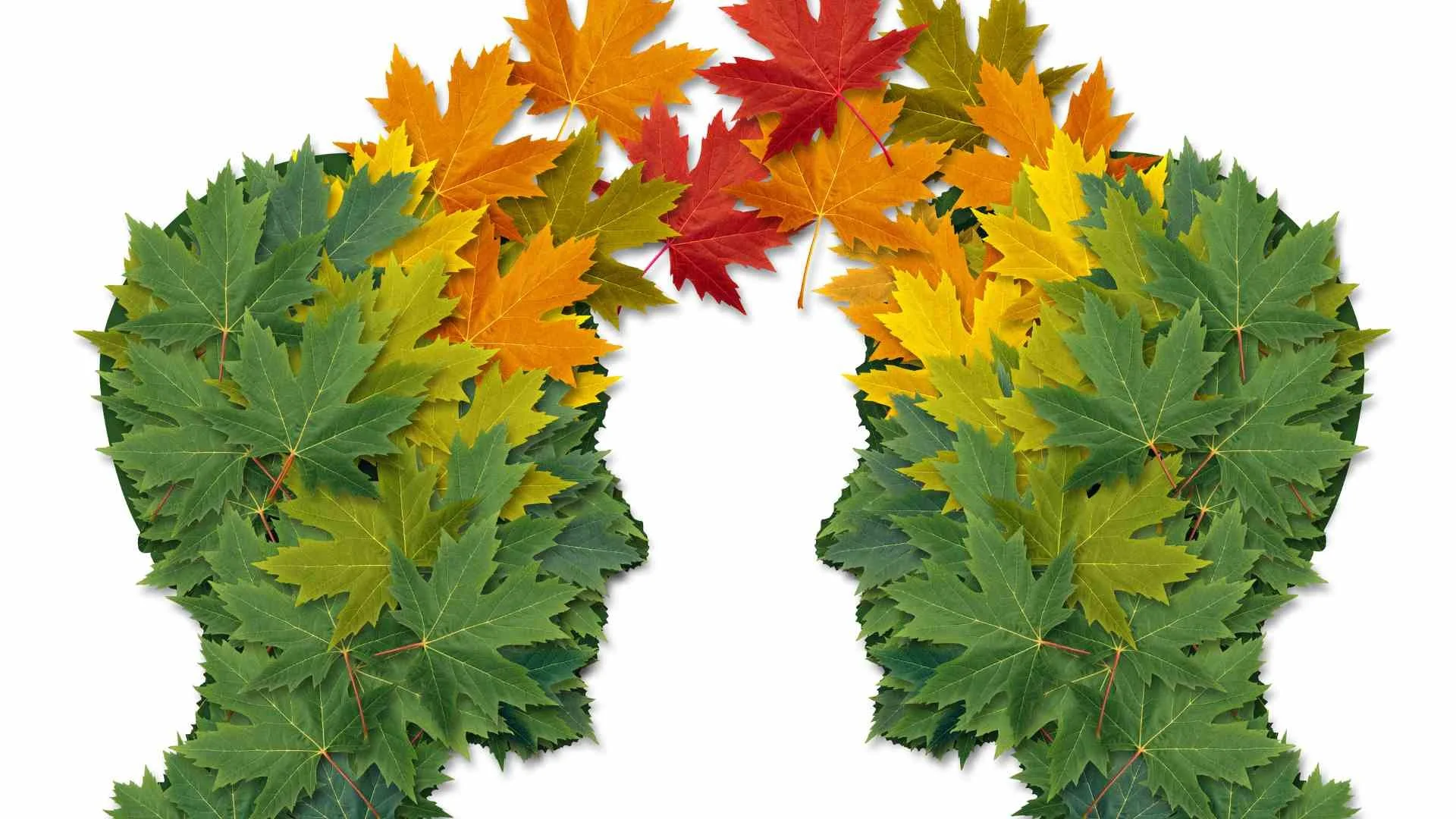
We might already be dealing with invisible communication constraints every day. Maybe it's assumptions we make about shared knowledge, specialized jargon that excludes others, or organizational silos that prevent open dialogue.
Communication is challenging enough when we can be direct. Add in artificial constraints, and it becomes a complex dance of trying to get what you need while staying within boundaries you can't even mention.
In essence, the choice between virtual and in-person work isn't about deciding which is superior. It's about recognizing and balancing the tradeoffs: the convenience and flexibility of virtual work against the potentially richer, more nuanced communication that comes with face-to-face interactions.
Here's what happens when you implement these approaches: Your team stops dreading virtual meetings. People show up present and engaged instead of distracted and resentful. Decisions get made faster because everyone's actually participating in the discussion.
Most importantly, your virtual meetings start producing the outcomes you're actually trying to achieve—instead of just burning time on everyone's calendar.
The technology isn't going anywhere. Remote and hybrid work are permanent features of how we collaborate. But you can choose whether your virtual meetings become energy-draining obligations or productive experiences that people actually value.
Strengthening Team Trust and Relationships: The Invisible Infrastructure
Trust isn't built in team-building exercises or declared in mission statements. Team trust is built in moments most people miss—the small interactions, kept promises, and vulnerable admissions that accumulate over time into unshakeable bonds.
Your team's relationship quality directly impacts their adaptive capacity. Teams with strong interpersonal connections share information more freely, take greater risks together, and recover faster from setbacks. They've moved beyond transactional cooperation to genuine collaboration.
Focus on creating "psychological safety nets" where team members can express uncertainty, admit mistakes, and ask for help without fear of judgment. This might mean instituting "failure parties" to celebrate learning from mistakes, or "vulnerability rounds" where leaders model openness about their own challenges and growth areas.
Your team is already comparing themselves to each other during change. They're just doing it silently, with bad data. Here's what happens when you make it visible.
Here's what makes adaptation possible: when your team's identity and your organization's purpose are clear, you can show how this change serves that shared purpose. When people see the change isn't random—it's in service of something they already believe in—the energy for adaptation becomes available. That doesn't mean resistance disappears. But it transforms from "why are we doing this?" to "how do we do this well?"
We create mental shortcuts about these people, usually based on very limited information, and those definitions influence our collaboration moving forward. Often, these snap judgments become self-reinforcing cycles that can be difficult to break.
How many of us have worked with people who are like oil and water? Team members who just don't naturally mix, creating friction rather than flow? Well, just like our hollandaise, we just need to find the right emulsifier!
Through our work with teams, we've discovered that effective team emulsification happens in layers, each one strengthening the bonds between team members.
Creating an exceptional team requires intention and effort, but the rewards are worth the investment. When these six foundations are firmly established and actively maintained, teams can achieve remarkable results while creating an environment where everyone flourishes. Excellence in teamwork isn't accidental - it's the product of careful cultivation of these essential elements.
Here's the profound insight: Most of us learned the fundamentals of teamwork in our youth through sports, arts, or other group activities. When facing team challenges in our professional lives, perhaps the solution lies not in complex management theories but in returning to these basic principles.
Developing Team Systems Thinking: Seeing the Bigger Picture
Most teams operate with tunnel vision, focused on their immediate tasks without understanding how they connect to and impact the broader organization. Teams and systems thinking transforms this limited perspective into strategic advantage.
Systems-thinking teams recognize that every action creates ripples, every decision has downstream effects, and seemingly unrelated changes can cascade into their domain. They anticipate rather than react, seeing patterns where others see isolated incidents.
Develop this capability by regularly mapping your team's connections to other departments, tracking how external changes might impact your work, and practicing "what if" scenarios that explore potential futures. When your team understands the system they operate within, they can influence it rather than being buffeted by forces they don't comprehend.

You've read 47 AI posts this week. There's a reason. Festinger named it in 1954, and it's quietly running every AI rollout happening right now. When people are uncertain, they look at each other before they look at the tool. The leaders who get adoption right aren't the ones with the best strategy. They're the ones building the room where honest reactions can surface. Here's what that looks like.
Your team is already comparing themselves to each other during change. They're just doing it silently, with bad data. Here's what happens when you make it visible.
When you choose change, it energizes. When change is thrust upon you, it exhausts. Here's why your team needs agency in how transformation happens.
Here's what makes adaptation possible: when your team's identity and your organization's purpose are clear, you can show how this change serves that shared purpose. When people see the change isn't random—it's in service of something they already believe in—the energy for adaptation becomes available. That doesn't mean resistance disappears. But it transforms from "why are we doing this?" to "how do we do this well?"
Just like treating my knee pain with ice and rest didn't address the piriformis muscle issue, team building activities that focus on surface-level bonding rarely address the deeper systemic problems affecting your team's performance.
The symptoms aren't always obvious. You have to dig into the cultural systems that exist to get at the root cause - or more likely, multiple root causes working together.
Systems thinking isn't intuitive for most people. We naturally focus on what's directly in front of us. That's why deliberate effort to build systems literacy pays such enormous dividends.
Teams that understand systems principles:
Make better decisions because they consider ripple effects
Collaborate more effectively with other teams
Identify and address root causes rather than symptoms
Create sustainable solutions rather than quick fixes that create long-term problems
When everyone understands and plays their role, it showcases individual talents while bringing out the best in the team. Some people are natural scorers, others are defensive specialists, and some excel at rebounding. In the workplace, these roles look different - maybe you have your strategic thinkers, your detail-oriented executors, and your relationship builders - but the principle remains the same.
In this video I use elements of the LEGO Serious Play Method (which I use for workshops and team building) to dissect the time in your day.
FAQ
How long does it take to build team resilience?
Building genuine resilience is an ongoing process, not a destination. You'll see initial improvements within 4-6 weeks of consistent practice, with significant shifts typically emerging after 3-4 months. The key is consistency—regular small actions compound into transformative change.
What's the biggest mistake leaders make when trying to build adaptable teams?
Focusing solely on individual resilience while ignoring team dynamics. You might have resilient individuals who still create a fragile team if they lack trust, shared purpose, or effective communication patterns. Always address both individual and collective dimensions.
How do you maintain team cohesion during major organizational changes?
Increase communication frequency while decreasing meeting length. Share information transparently even when you don't have all the answers. Create stability through consistent team rituals even as everything else changes. Most importantly, acknowledge the difficulty rather than forcing positivity.
Can you build resilience in a team that's already burned out?
Yes, but it requires a different approach. Start with recovery and restoration rather than adding new challenges. Focus on removing friction and obstacles before introducing growth opportunities. Think rehabilitation before training.
What's the relationship between psychological safety and team adaptability?
They're directly proportional. Teams with high psychological safety experiment more, learn faster from failures, and adapt more quickly to change. Without psychological safety, teams become rigid and defensive when facing uncertainty.
How do you balance stability and change in team development?
Maintain stable core values and relationships while varying practices and processes. Think of it as keeping your foundation solid while renovating the structure. Teams need both anchors and sails—something to keep them grounded and something to help them move forward.


You've read 47 AI posts this week. There's a reason. Festinger named it in 1954, and it's quietly running every AI rollout happening right now. When people are uncertain, they look at each other before they look at the tool. The leaders who get adoption right aren't the ones with the best strategy. They're the ones building the room where honest reactions can surface. Here's what that looks like.