


Insights
Why Saying “I Don’t Know” Makes You a Stronger Leader
Jose Cruz is a talent development executive with more than 25 years shaping talent, culture, and organizations, from luxury retail floors at Saks Fifth Avenue to global teams today. In this episode of Herding Squirrels, he makes the case that the three hardest words for a leader to say are also the ones that build the most trust. We get into why “would you like my thoughts?” lands better than “can I give you feedback,” why so much training never changes behavior, and how the first 90 days decide whether a new hire stays engaged. If you’re leading a team through AI, remote work, or any change you can’t fully explain yet, this conversation gives you a practical way to say so out loud.

M&A Is Financial. Integration Is Human.
Sachin Gulati is an M&A integration leader at HP with almost 14 years of deal experience across HP, Google, and management consulting. In this episode of Herding Squirrels, Sachin explains why M&A gets sold as a financial transaction but wins or loses as a human transition, and why even a good playbook only gets you 50 to 60 percent of the way there. He shares the three things he listens for on day one (fear, pride, and uncertainty) and the three habits that build employee trust during a merger. If you're leading a team through an acquisition, a divestiture, or any big organizational change, you'll leave with the conversations to stop avoiding and a way to make change painful but predictable.
Resistance Is Data
Kamran Jahanshahi is the President and Founder of Peak Point Consulting, with 25 years of transformation leadership across Citibank, MetLife, and Walgreens Boots Alliance. In this episode of Herding Squirrels, Kamran breaks down what separates integrations that survive from ones that quietly fail, and why most organizations underinvest in the one part that determines the outcome: people. If you are leading a company through an acquisition or advising one that is, this conversation will sharpen how you think about operating models, leadership credibility, and why the resistance you are seeing is not a threat but a signal.
Your Team Is Doing Math In Every Meeting
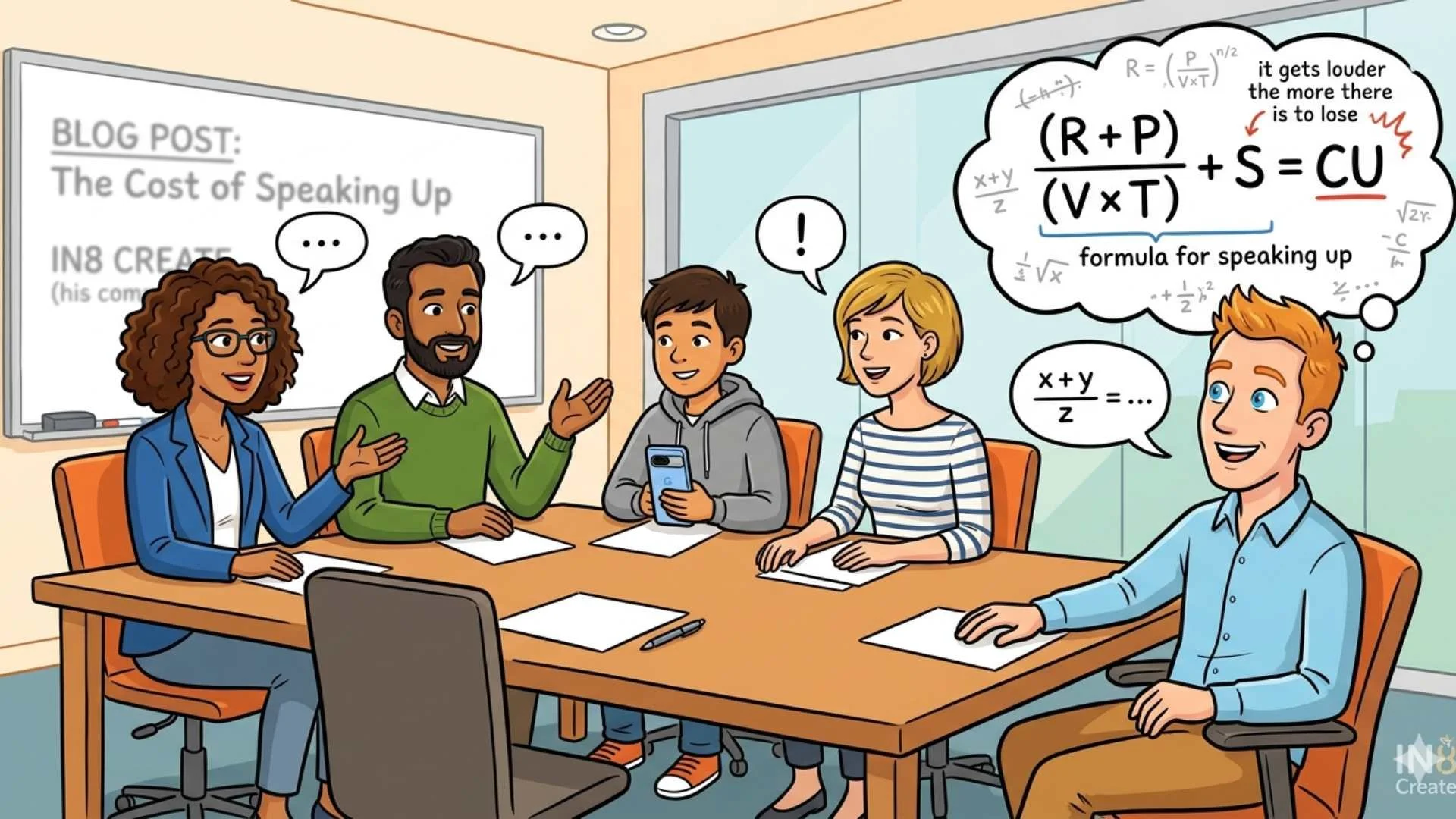
Your team runs a quiet formula before speaking up in any high-stakes meeting. The math is rational, the silence is not weakness, and somewhere in that formula is a variable for you. Here is what they are calculating, and how to change the answer.
Your Team Isn’t Disengaged
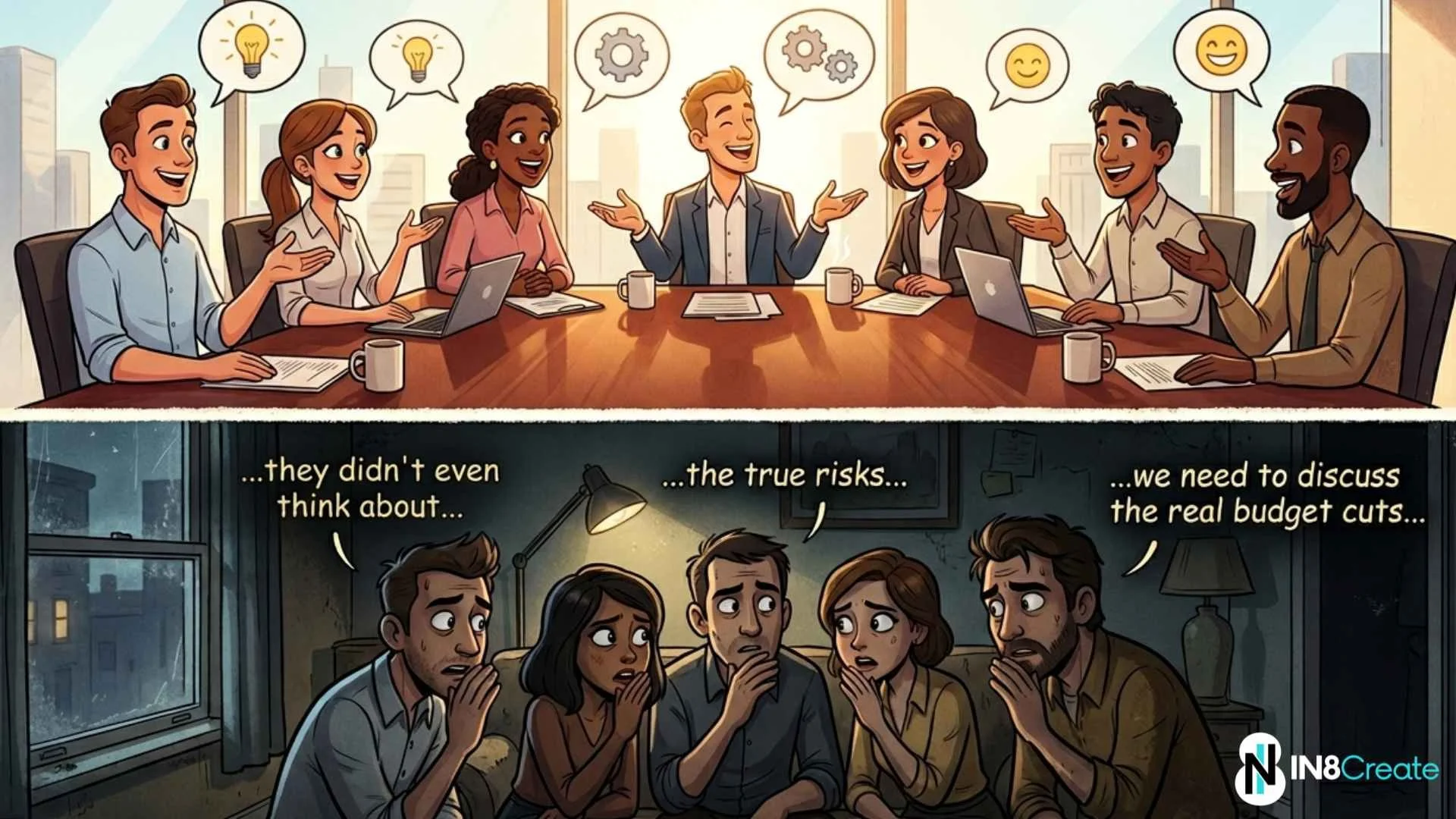
Your team looks aligned in the meeting. But the real conversation is happening somewhere else. Here are the three layers of silence and how to bring teams back.
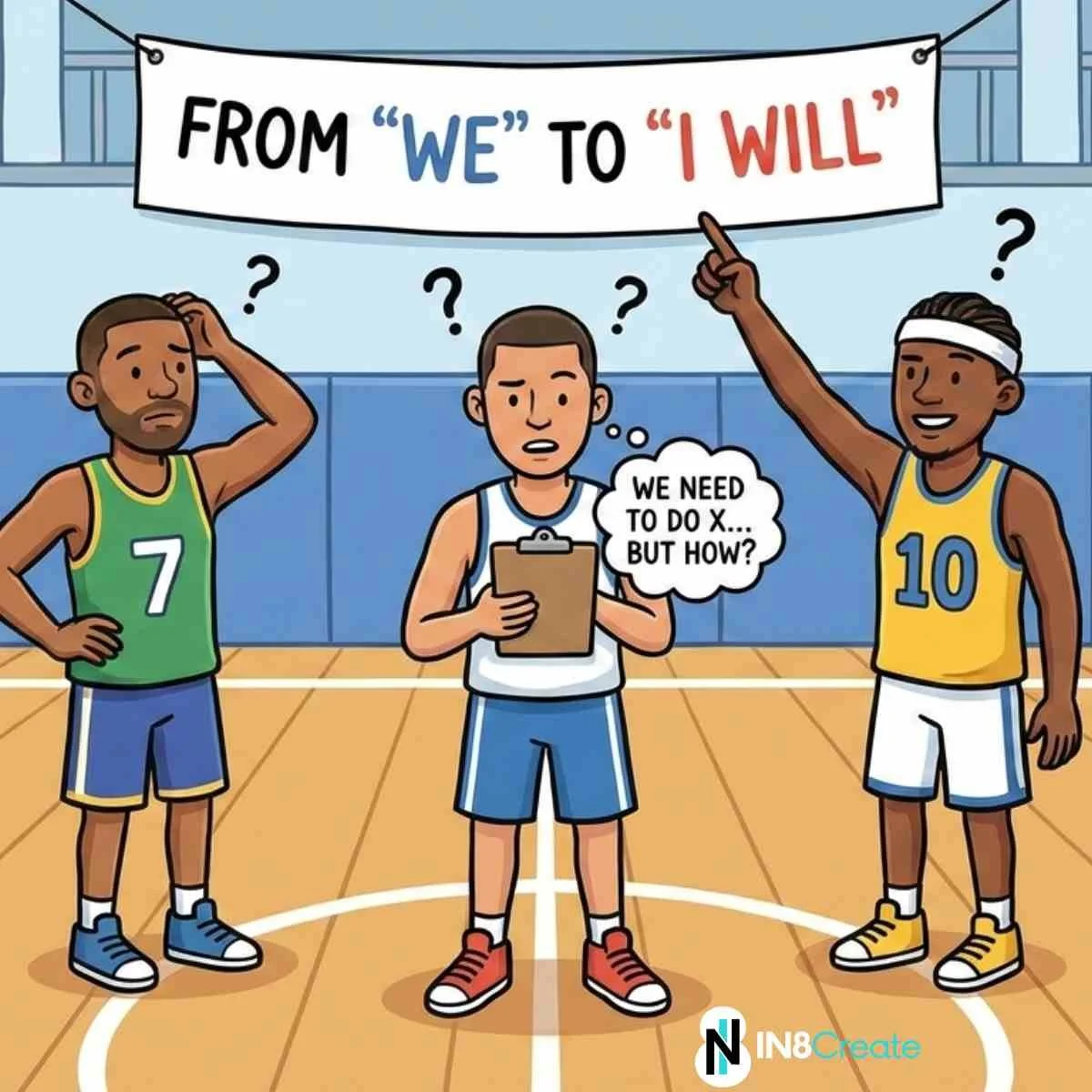
Why 'We Need To' Never Works
Everyone on my basketball team has great ideas. YouTube plays, motion offenses, elaborate strategies. None of it stuck—until we changed one word.
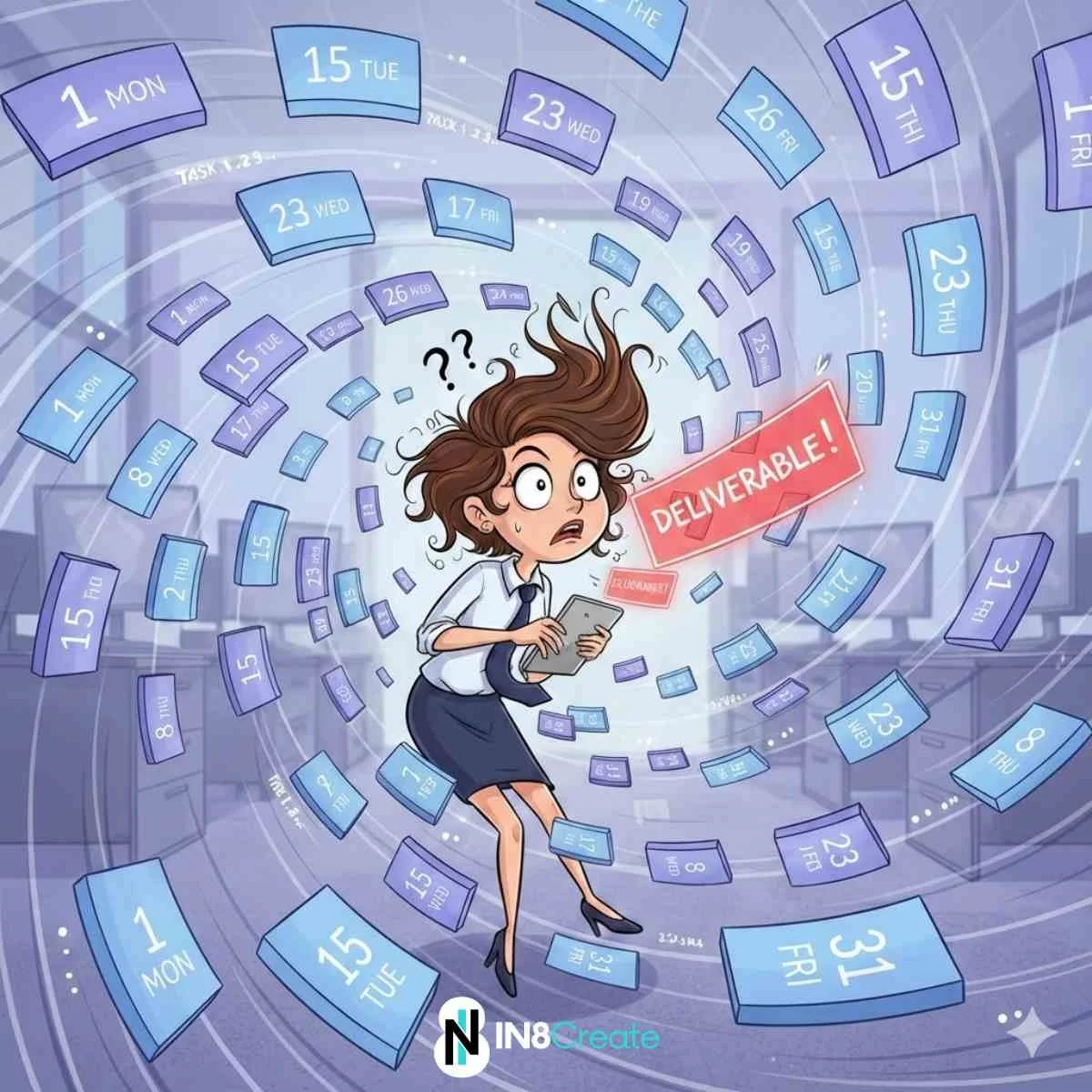
The Timeline That Couldn't Exist
You've been in that meeting where Engineering says eight weeks, Product counters with four, and everyone knows none of these numbers are real. When the same team members work across 50+ projects, they should be excellent at estimating—and they are. The problem isn't their ability to predict timelines; it's their inability to trust that honest estimates will be respected. So they adapt. They calculate what they actually need, add 40%, and deliver completely unrealistic numbers that implode the entire schedule. The timeline problem is actually a trust problem. And the trust problem is actually a leadership problem.
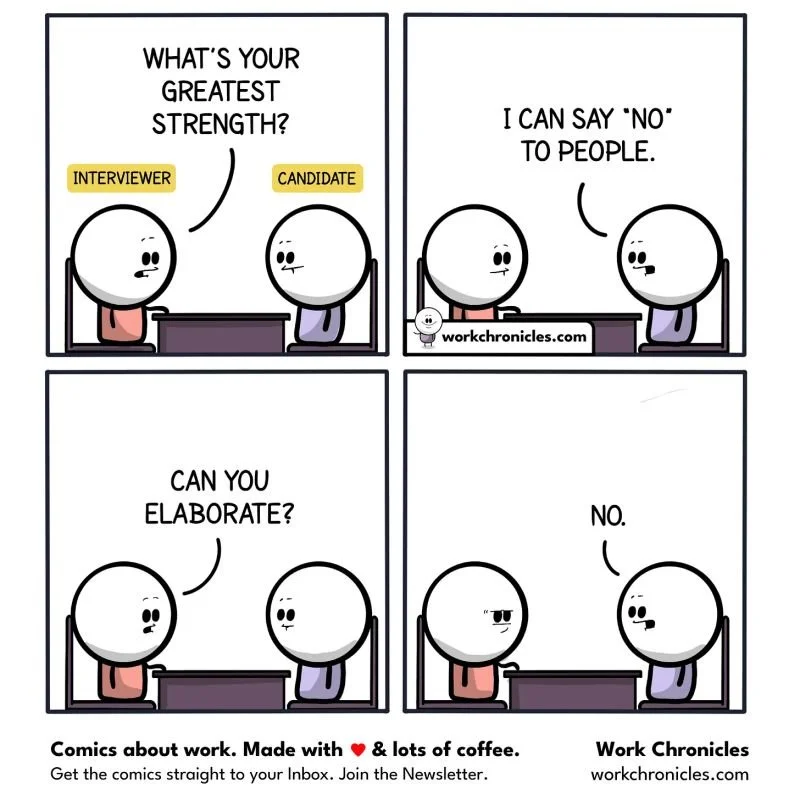
Why Your Team Won't Say No
Stop thinking psychological safety is some touchy-feely HR initiative. It's your organizational immune system. When your team's immune system is strong, problems surface early. Course corrections happen naturally. Disasters get prevented, not managed. When it's weak? People retreat into survival mode. Your team is constantly calibrating: "What happens when I speak up here?" The answer to that question, accumulated over dozens of small interactions, determines whether they'll save your next big initiative or watch it burn.

The Complete Guide to Building Strong Team Foundations
Every high-performing team shares the same secret: they've stopped pretending everything's fine and started building foundations that actually work. Look at your team right now—some engaged, others checked out, most somewhere in between. That's not a people problem. That's what happens when teams run on assumptions instead of agreements, personality clashes instead of psychological safety. This guide reveals the hidden architecture of exceptional teams and the specific steps to transform yours from a collection of individuals into a unified force. Because the difference between teams that struggle and teams that soar isn't talent—it's the foundation they build together.

Team Trust Is Built in Moments Most People Miss
We create mental shortcuts about these people, usually based on very limited information, and those definitions influence our collaboration moving forward. Often, these snap judgments become self-reinforcing cycles that can be difficult to break.

Don’t Create Team Building Horror Stories
While team building horror stories abound, it's important to remember that effective, enjoyable, and meaningful team experiences are possible. At IN8 Create, we're committed to changing the narrative around team building, one LEGO brick at a time. By focusing on creativity, respect, and shared vision, we're helping teams build stronger connections – without the need for mountain treks, trauma circles, or soda swapping.

Hierarchy of Communication Challenges: Unveiling the Layers
Effective communication is often cited as the cornerstone of successful organizations. However, communication issues are typically symptoms of deeper, underlying challenges. By understanding these layers hierarchically, companies can pinpoint where true communication challenges lie and address them more effectively. Let's explore this hierarchy and uncover the root causes of communication breakdowns.