
Insights
The Unspoken Expectations Killing Your Team
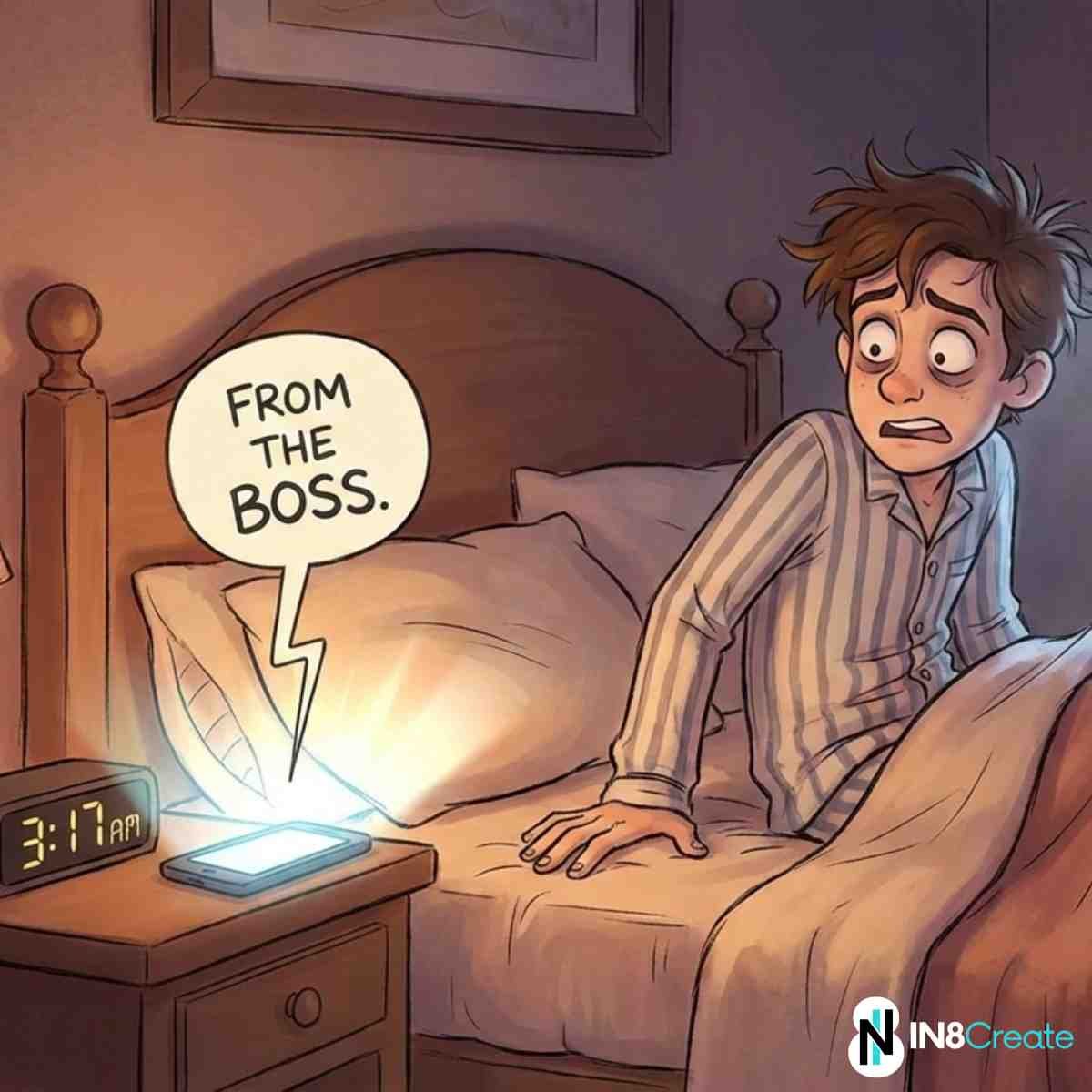
Your boss emails at 11:07 PM. Does she expect a response, or is she just working late? Your team is constantly guessing what you actually expect—and that guessing is quietly killing performance. One conversation about six specific questions can end the uncertainty forever.
The Timeline That Couldn't Exist
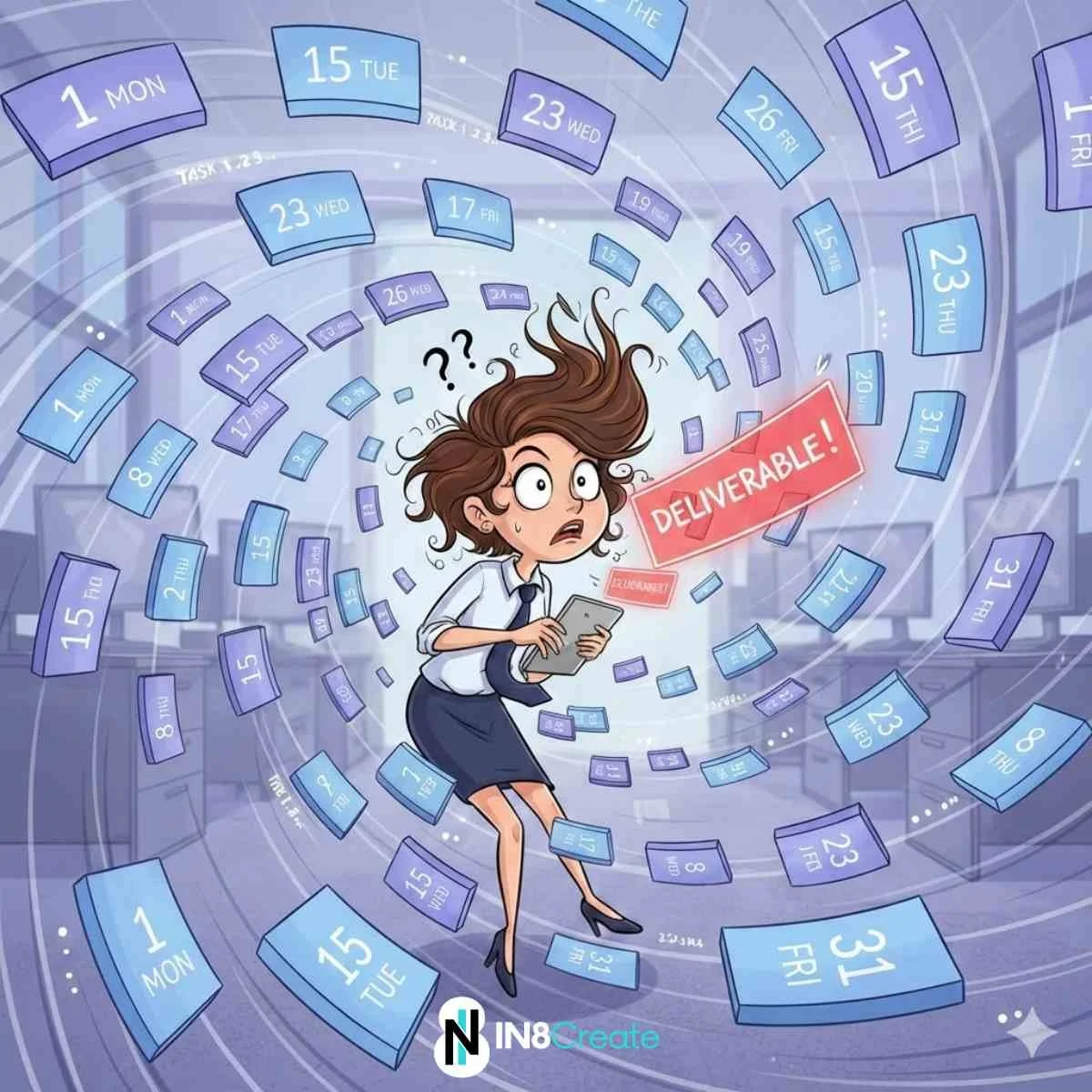
You've been in that meeting where Engineering says eight weeks, Product counters with four, and everyone knows none of these numbers are real. When the same team members work across 50+ projects, they should be excellent at estimating—and they are. The problem isn't their ability to predict timelines; it's their inability to trust that honest estimates will be respected. So they adapt. They calculate what they actually need, add 40%, and deliver completely unrealistic numbers that implode the entire schedule. The timeline problem is actually a trust problem. And the trust problem is actually a leadership problem.
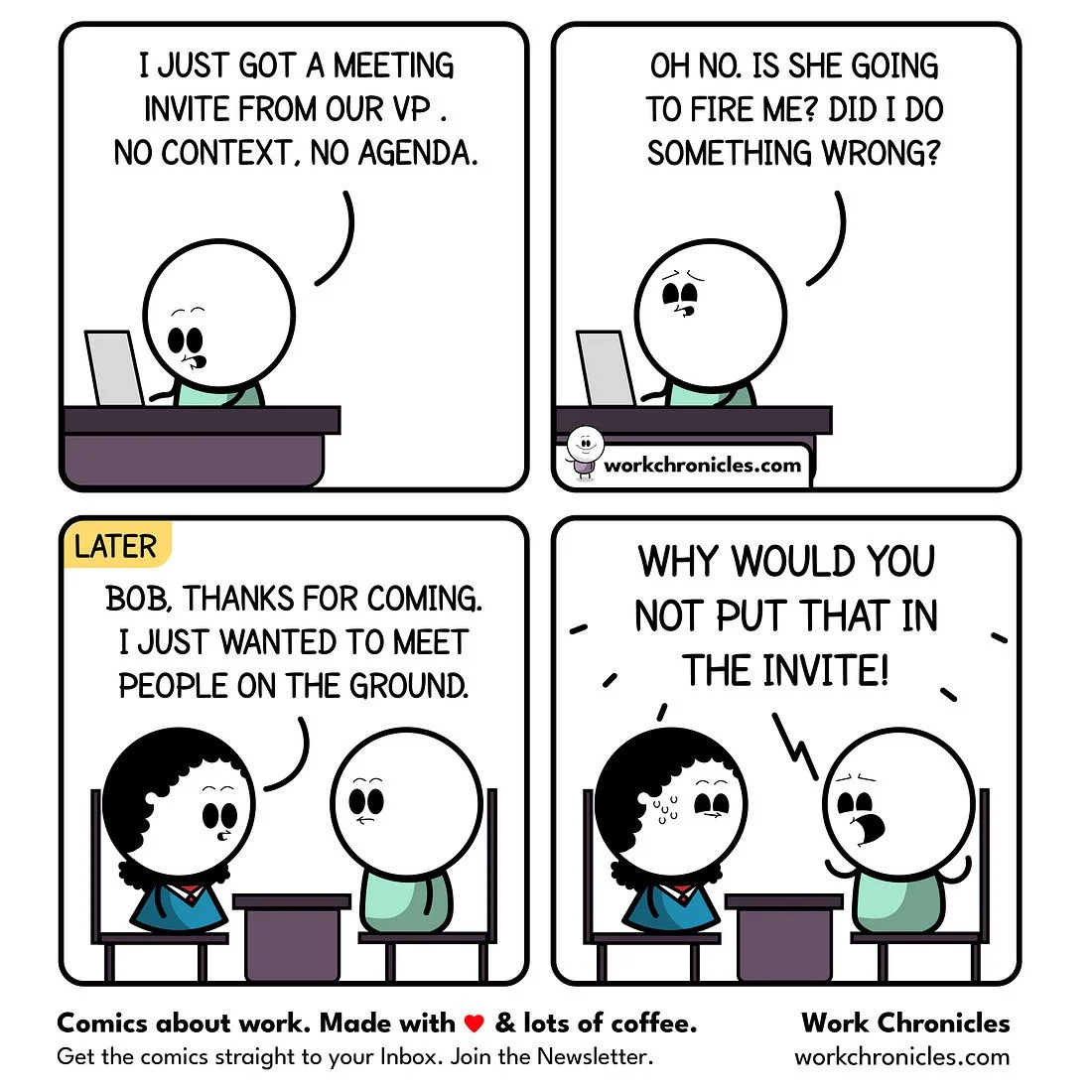
Silence is Communication
When leaders stay silent during organizational change, teams fill the information vacuum with worst-case assumptions. This triggers the brain's threat response, particularly around certainty - one of five domains in David Rock's SCARF model. Effective leaders communicate about uncertainty itself: acknowledge what's unknown, share what they do know, explain how decisions are being made, set update cadence, and give teams actionable steps.

The Contagion Effect
Here's the thing about energy: it spreads faster than gossip in a small office. You know how yawns are contagious? Energy works the same way—except instead of making people tired, the right energy makes them unstoppable. The good stuff is contagious. That level of support, that fun, that genuine enthusiasm—it lifts people up and makes them want to maintain the momentum. They try harder, support each other more, and the whole cycle accelerates. But here's what most teams don't want to acknowledge: the negative stuff spreads just as fast.

Communication & Team Connection: Building Trust Through Better Relationships
Every team is a collection of unique perspectives, communication styles, and working preferences. What looks like a simple conversation to one person might feel overwhelming to another. The challenge isn't having different viewpoints—it's creating the shared language and understanding that allows these diverse minds to collaborate effectively

Teams and Systems Thinking
Systems thinking isn't intuitive for most people. We naturally focus on what's directly in front of us. That's why deliberate effort to build systems literacy pays such enormous dividends.
Teams that understand systems principles:
Make better decisions because they consider ripple effects
Collaborate more effectively with other teams
Identify and address root causes rather than symptoms
Create sustainable solutions rather than quick fixes that create long-term problems

The Power of a Spotter in Team Meetings
By appointing a “spotter” in your team meetings—someone whose sole responsibility is to observe body language and verbal cues—you can ensure that these often-overlooked signals are captured and addressed in real-time. This role can help unearth key insights and balance the extrovert/introvert equation, ensuring everyone's perspectives are considered.i
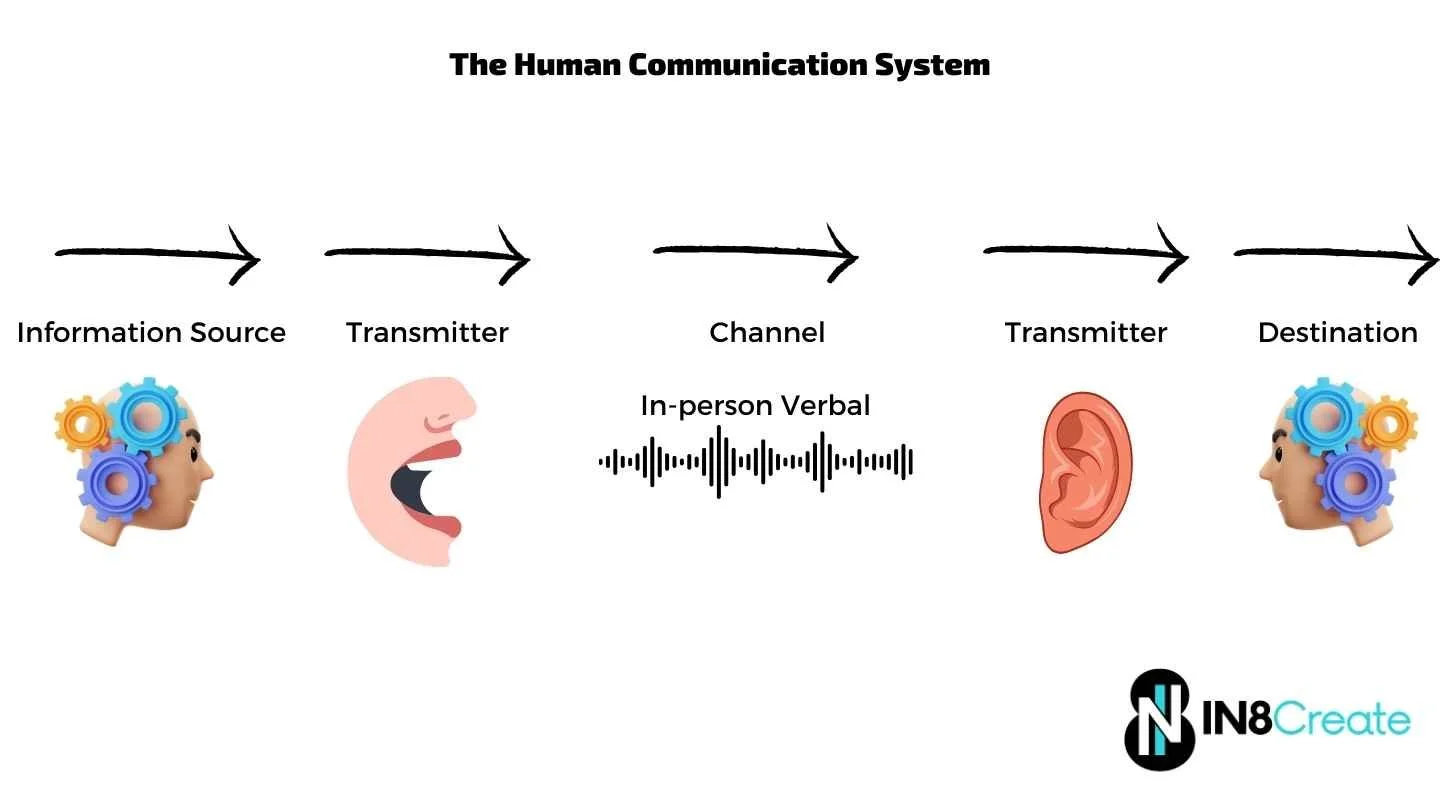
The Human Communication System in Teams
Using this as a mental model makes it easy to see why and how communication breakdowns happen, especially in teams.
For this post, I'll dig specifically into the system itself, applying the 5 stages of a communication system to people, and then extract how this impacts people and teams in various scenarios. Once you see how the system is easily applied, you'll be able to deconstruct communication challenges in a new and simpler way.

Four Ways to Boost Employee Morale
Finding ways to boost employee morale is not a one-time effort but a continuous endeavor. By listening to understand, focusing on accountability, increasing autonomy, and finding ways to foster connection, companies can create a positive, energetic, and loyal workforce. The benefits of high employee morale are limitless and can be the difference between a company that merely survives and one that thrives.

Using Fridays as a Leverage Point: Celebrate, Punctuate, and Connect
Fridays are not just the bridge to the weekend. They can be the cornerstone of a productive, positive, and connected organizational culture. By making small shifts in how we perceive and use this day, businesses can create ripple effects that impact the entire working week. So, next Friday, remember to celebrate, punctuate, and connect. The weekend will feel even sweeter after!
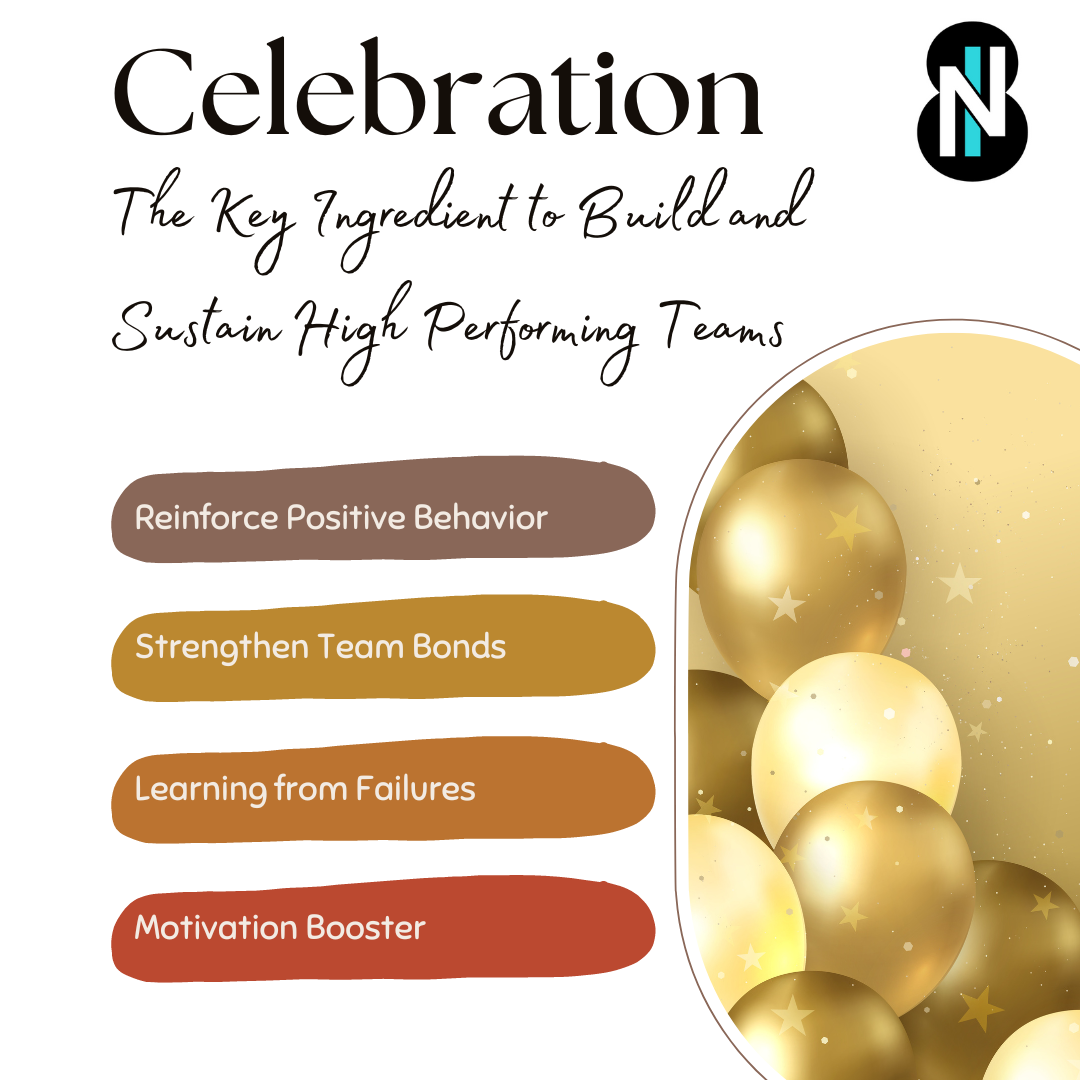
Celebration: The Key Ingredient to Build and Sustain High Performing Teams
In essence, celebrations, whether they're team outings, appreciation emails, or award ceremonies, serve as fuel for motivation. They keep teams energized, appreciated, and committed to their roles. If the vision is to build high performing teams, then celebrating every step of the journey is non-negotiable.

Communication: The Heartbeat of High Performing Teams
When we speak of organizational development and success, communication consistently emerges as the cornerstone. The mission to build high performing teams hinges profoundly on effective, transparent communication.