


Insights
Being Liked Won't Carry Your Team Through Change. Trust Will.
Dennis Richter is the Chief Business and People Officer at Fullscript, a billion-dollar healthcare platform, with prior leadership roles at Meta, Google, Deloitte, and 12 years in the Army. In this episode of Herding Squirrels, Dennis explains why people aren’t actually tired of change. They’re tired of change that feels disconnected, unfinished, or poorly explained. He shares why information travels down an organization far faster than it travels up, what a live town hall teaches that a scripted one can’t, and why the people holding your company together rarely show up as critical on the org chart. If you’re leading a team through change and wondering what isn’t reaching you, this conversation gives you practical ways to get the real story sooner.
M&A Is Financial. Integration Is Human.
Sachin Gulati is an M&A integration leader at HP with almost 14 years of deal experience across HP, Google, and management consulting. In this episode of Herding Squirrels, Sachin explains why M&A gets sold as a financial transaction but wins or loses as a human transition, and why even a good playbook only gets you 50 to 60 percent of the way there. He shares the three things he listens for on day one (fear, pride, and uncertainty) and the three habits that build employee trust during a merger. If you're leading a team through an acquisition, a divestiture, or any big organizational change, you'll leave with the conversations to stop avoiding and a way to make change painful but predictable.

The Honeymoon Tax
Around 90 days into any big change, the energy goes quiet. The dashboard stays green. The strategy holds. But the thing that was moving is suddenly not. Here is the math behind why
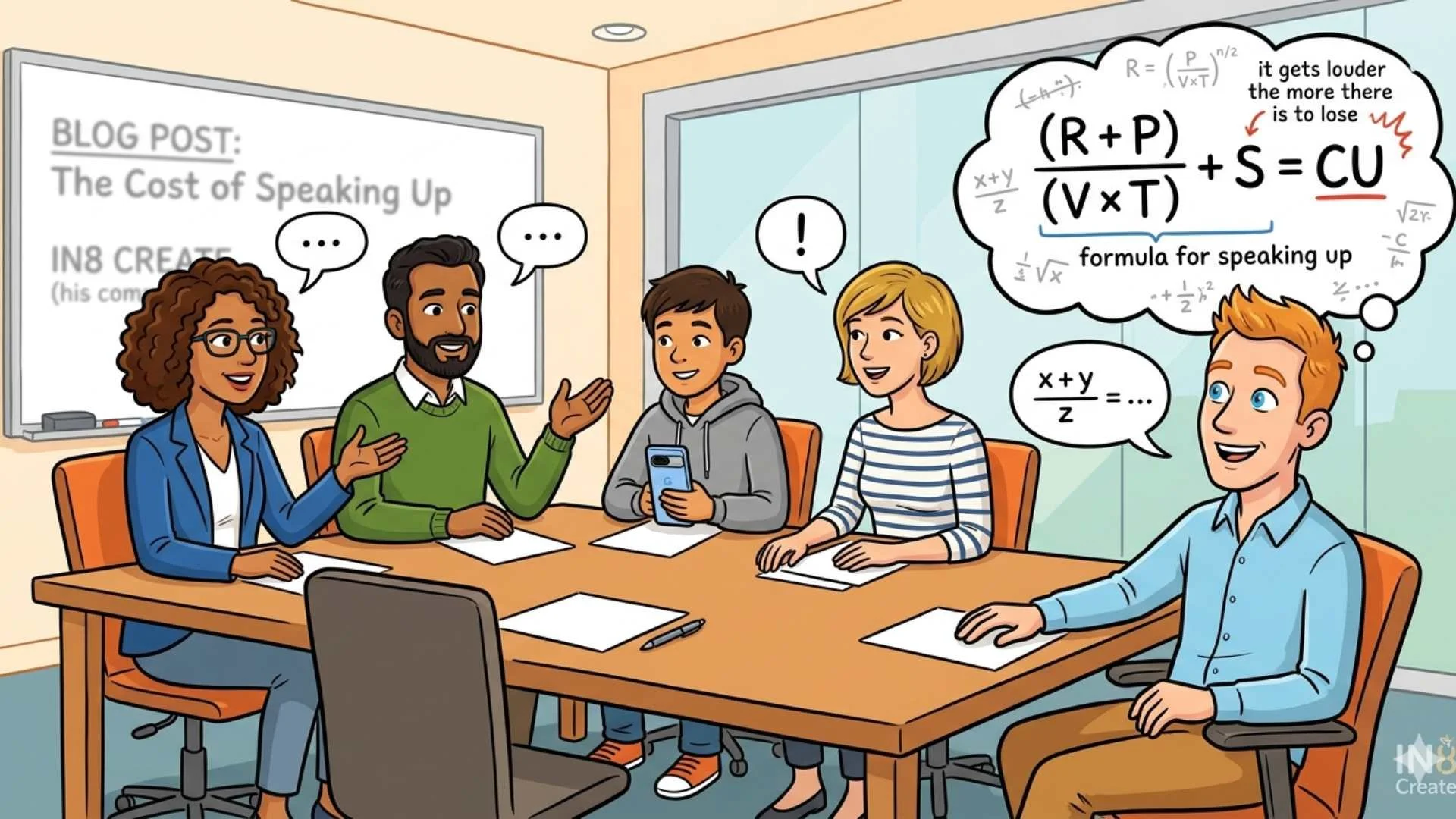
Your Team Is Doing Math In Every Meeting
Your team runs a quiet formula before speaking up in any high-stakes meeting. The math is rational, the silence is not weakness, and somewhere in that formula is a variable for you. Here is what they are calculating, and how to change the answer.
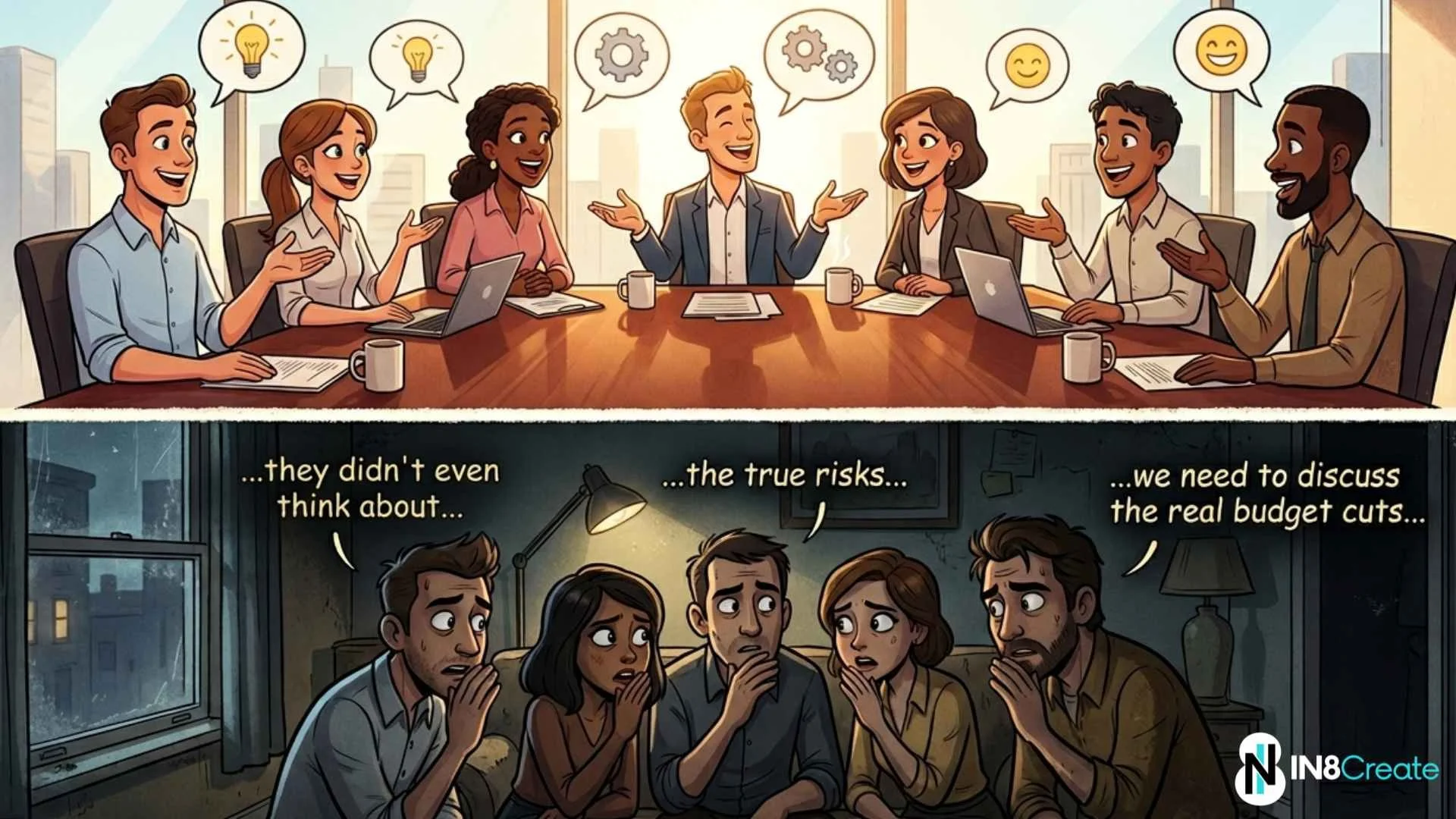
Your Team Isn’t Disengaged
Your team looks aligned in the meeting. But the real conversation is happening somewhere else. Here are the three layers of silence and how to bring teams back.
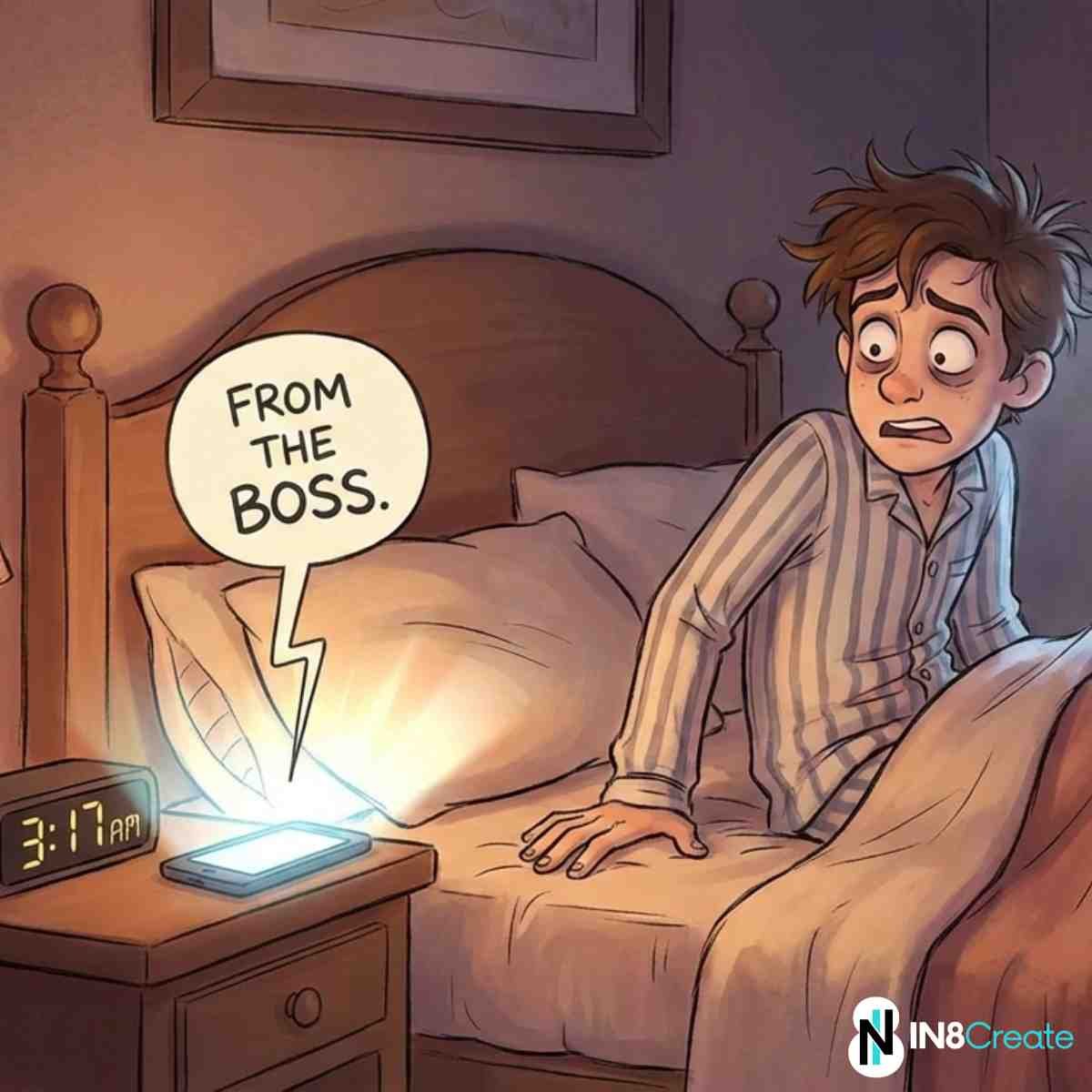
The Unspoken Expectations Killing Your Team
Your boss emails at 11:07 PM. Does she expect a response, or is she just working late? Your team is constantly guessing what you actually expect—and that guessing is quietly killing performance. One conversation about six specific questions can end the uncertainty forever.
What Will Still Matter When AI Changes Everything About Work
AI is changing work fast, but human connection, creativity, and judgment aren't just surviving—they're becoming your only competitive advantage.
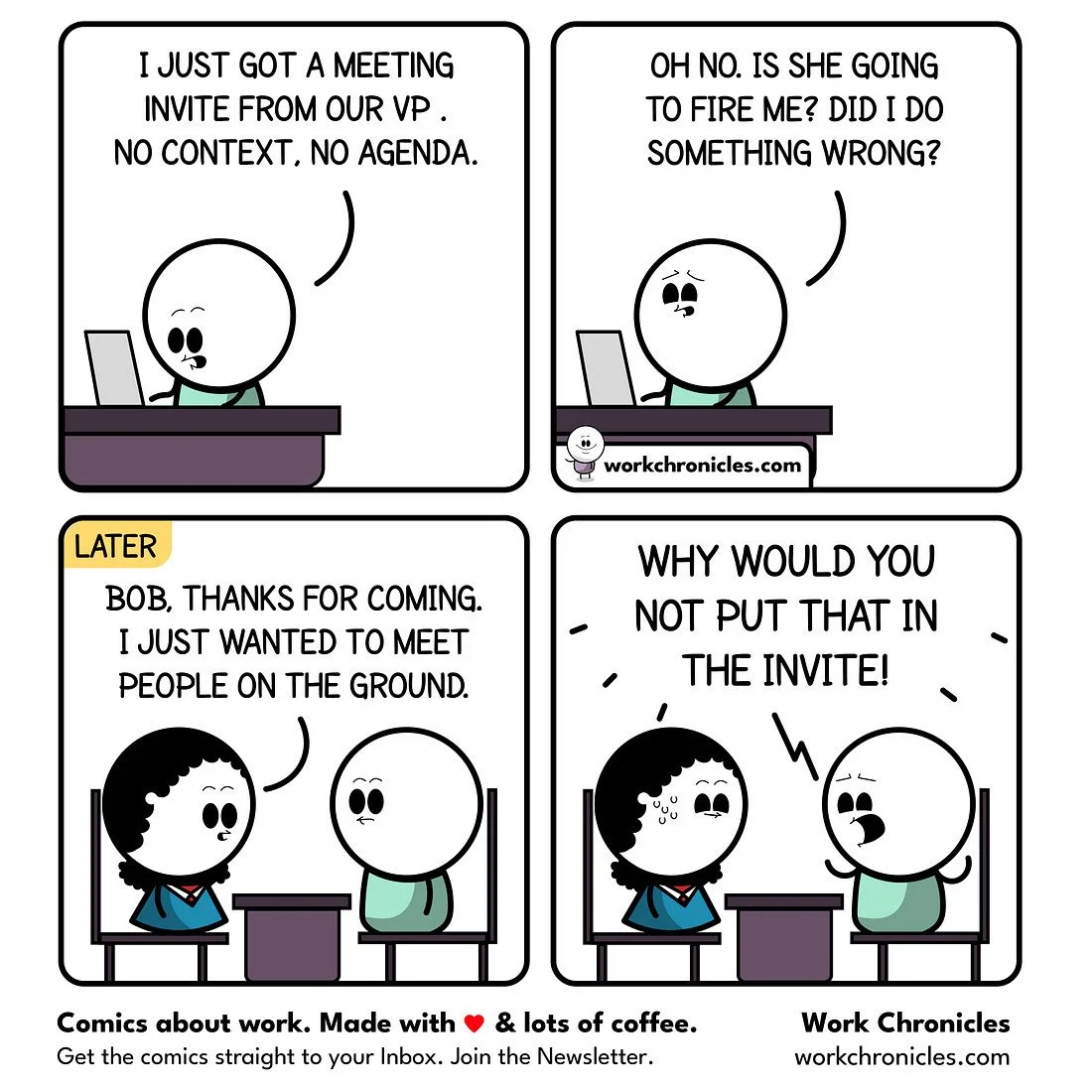
Silence is Communication
When leaders stay silent during organizational change, teams fill the information vacuum with worst-case assumptions. This triggers the brain's threat response, particularly around certainty - one of five domains in David Rock's SCARF model. Effective leaders communicate about uncertainty itself: acknowledge what's unknown, share what they do know, explain how decisions are being made, set update cadence, and give teams actionable steps.
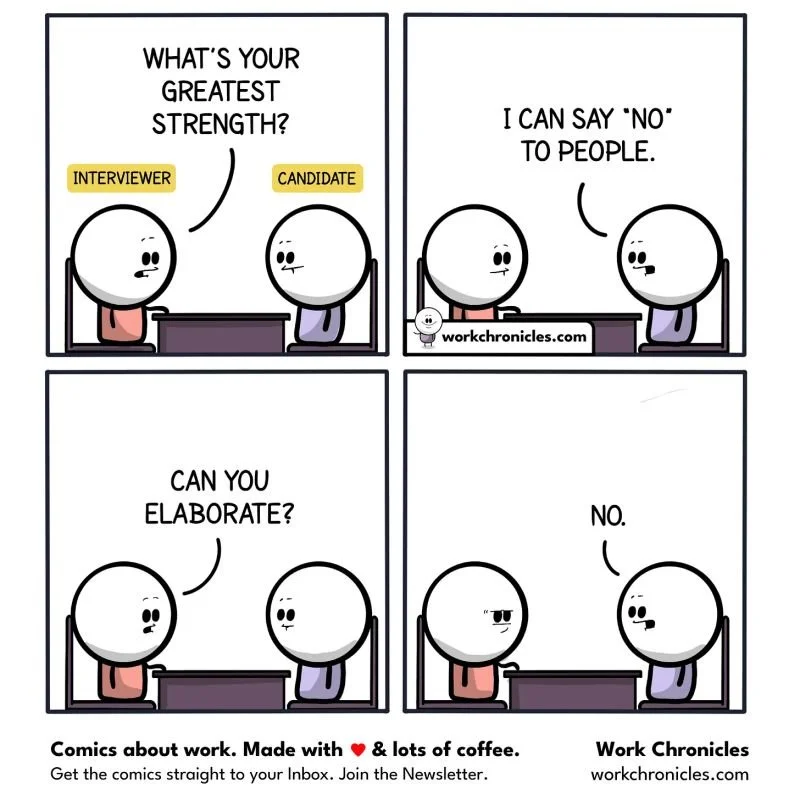
Why Your Team Won't Say No
Stop thinking psychological safety is some touchy-feely HR initiative. It's your organizational immune system. When your team's immune system is strong, problems surface early. Course corrections happen naturally. Disasters get prevented, not managed. When it's weak? People retreat into survival mode. Your team is constantly calibrating: "What happens when I speak up here?" The answer to that question, accumulated over dozens of small interactions, determines whether they'll save your next big initiative or watch it burn.

Stop Treating AI Adoption Like a Light Switch
I've had multiple friends and colleagues tell me AI is making their work HARDER. Seriously? The technology that's supposed to revolutionize everything is creating more friction, not less. Why? Because "AI as a strategy" doesn't work. AI is a tool. A powerful one, sure, but still just a tool. And like any tool, it's only useful when you understand what problem you're trying to solve.

Communication & Team Connection: Building Trust Through Better Relationships
Every team is a collection of unique perspectives, communication styles, and working preferences. What looks like a simple conversation to one person might feel overwhelming to another. The challenge isn't having different viewpoints—it's creating the shared language and understanding that allows these diverse minds to collaborate effectively

When Teams Unite Under Pressure
These scenarios never cease to amaze me because of how deeply connected they make us feel. They tap into our identity as valued members of our work community, and when that community faces a crisis, people respond instinctively. This might mean staying late, contributing extra effort, or stepping outside comfort zones to help the team succeed.