


Insights

Being Liked Won't Carry Your Team Through Change. Trust Will.
Dennis Richter is the Chief Business and People Officer at Fullscript, a billion-dollar healthcare platform, with prior leadership roles at Meta, Google, Deloitte, and 12 years in the Army. In this episode of Herding Squirrels, Dennis explains why people aren’t actually tired of change. They’re tired of change that feels disconnected, unfinished, or poorly explained. He shares why information travels down an organization far faster than it travels up, what a live town hall teaches that a scripted one can’t, and why the people holding your company together rarely show up as critical on the org chart. If you’re leading a team through change and wondering what isn’t reaching you, this conversation gives you practical ways to get the real story sooner.
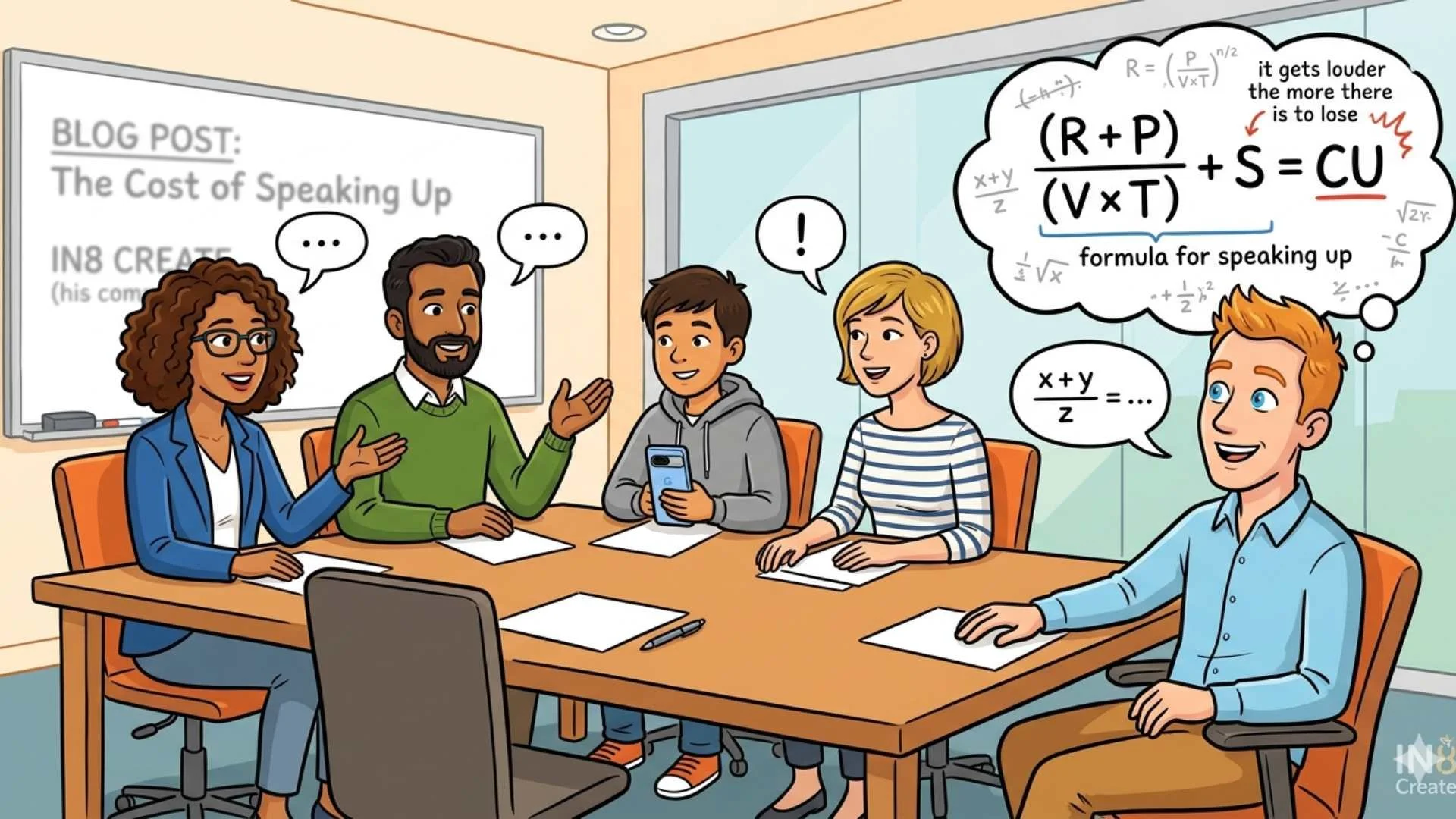
Your Team Is Doing Math In Every Meeting
Your team runs a quiet formula before speaking up in any high-stakes meeting. The math is rational, the silence is not weakness, and somewhere in that formula is a variable for you. Here is what they are calculating, and how to change the answer.

The Unspoken Expectations Killing Your Team
Your boss emails at 11:07 PM. Does she expect a response, or is she just working late? Your team is constantly guessing what you actually expect—and that guessing is quietly killing performance. One conversation about six specific questions can end the uncertainty forever.

The Timeline That Couldn't Exist
You've been in that meeting where Engineering says eight weeks, Product counters with four, and everyone knows none of these numbers are real. When the same team members work across 50+ projects, they should be excellent at estimating—and they are. The problem isn't their ability to predict timelines; it's their inability to trust that honest estimates will be respected. So they adapt. They calculate what they actually need, add 40%, and deliver completely unrealistic numbers that implode the entire schedule. The timeline problem is actually a trust problem. And the trust problem is actually a leadership problem.
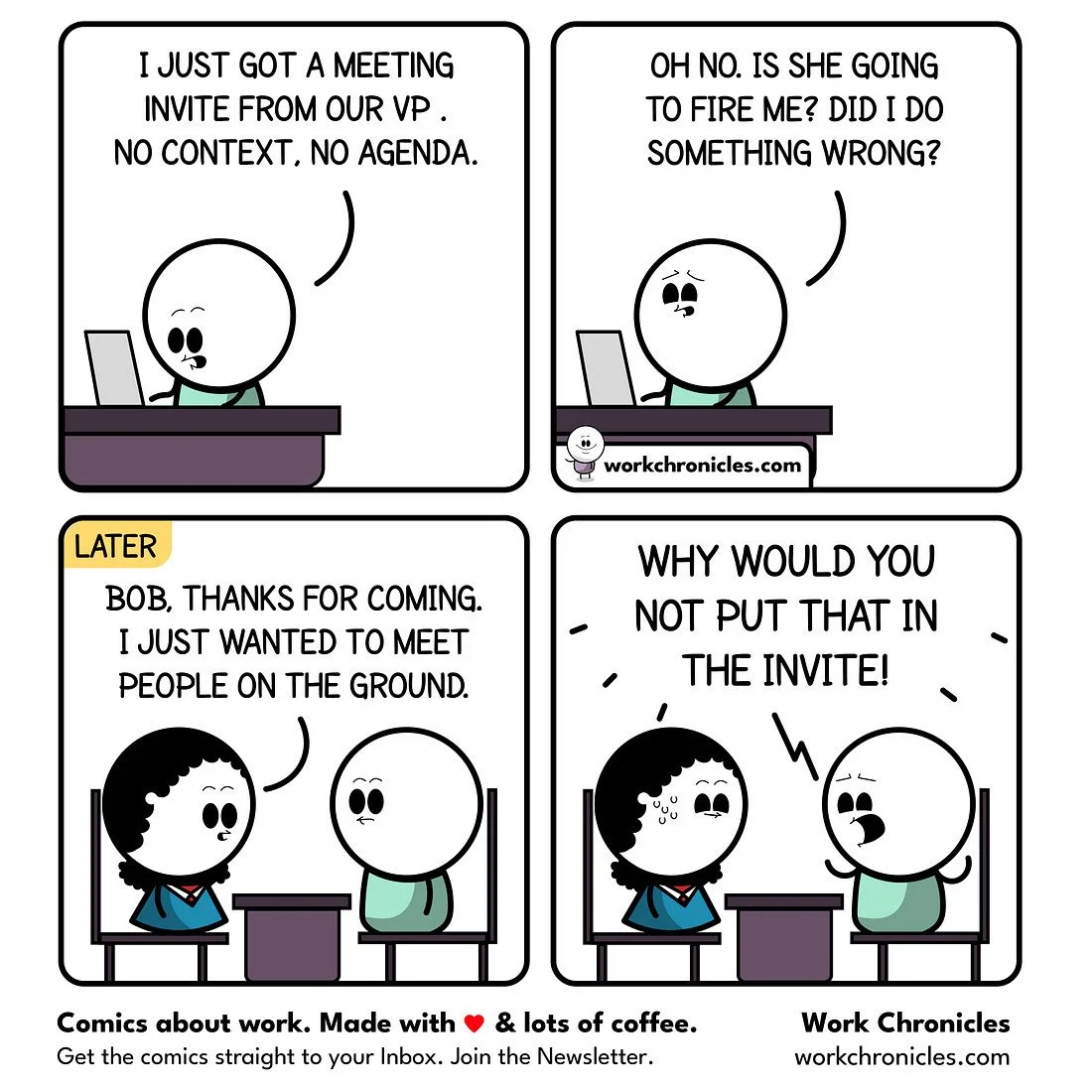
Silence is Communication
When leaders stay silent during organizational change, teams fill the information vacuum with worst-case assumptions. This triggers the brain's threat response, particularly around certainty - one of five domains in David Rock's SCARF model. Effective leaders communicate about uncertainty itself: acknowledge what's unknown, share what they do know, explain how decisions are being made, set update cadence, and give teams actionable steps.
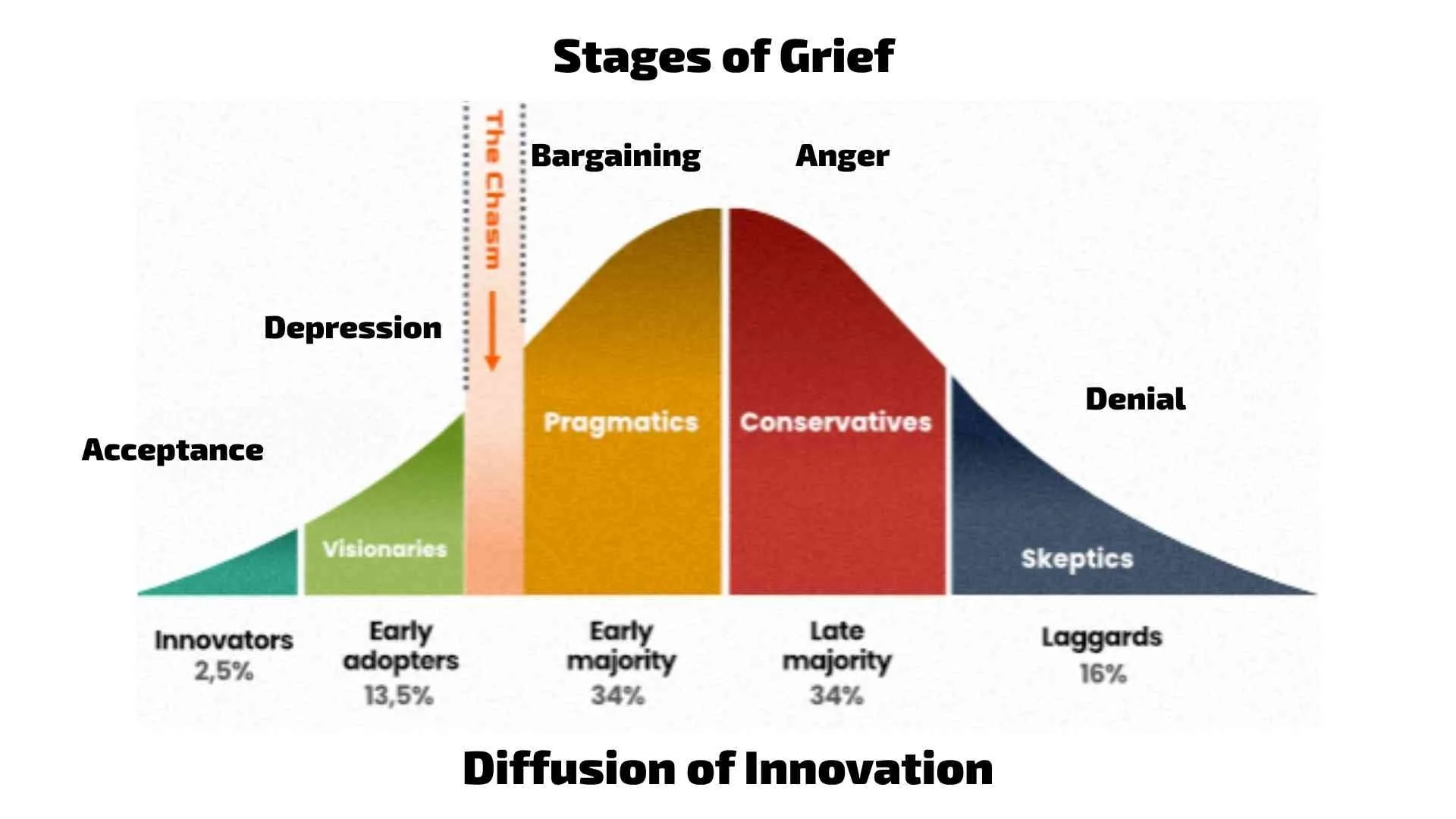
Why Teams Respond to Change at Different Speeds
When you introduce change—whether it's a new tool, process, reorganization, or way of working—you're asking people to move through a predictable sequence of psychological stages. These stages show up across three different frameworks that, remarkably, tell the same story:
Innovation Adoption → Change Transition → Grief Response

Transform Your Organization Through Team-Powered Leadership
Most organizations approach leadership development backwards. They send individual managers to expensive training programs, hoping these solo experiences will somehow translate into organizational transformation. Meanwhile, the most powerful leadership laboratory sits right in front of them: their existing teams. The truth is, exceptional leaders aren't built in isolation—they're forged through the daily crucible of team collaboration, conflict, and collective problem-solving.

Building Empathy in Teams With Personal Stories
Steve from accounting becomes Steve the guy who played baseball in the Little League World Series. Your team has a ton of stories like this and when shared, they will add depth and dimension to the relationships in your team. When we can hear, see, and understand the depth and dimension behind our teammates histories, we gain appreciation for them as a person. We understand they are more than the role they fill.

Empathy: The Quiet Powerhouse to Build High Performing Teams
Building high performing teams requires more than just skills; it demands an understanding heart. A team environment where empathy is a celebrated trait ensures that individuals feel connected, valued, and ready to contribute their best.
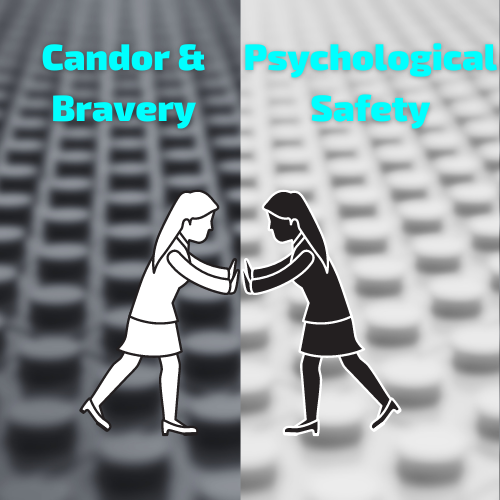
Balancing Candor with Psychological Safety in Senior Leadership Communication
Most of the things discussed were expected - things like collaboration, trust, sharing, alignment, and more.
However where the tension popped up was between candor & bravery and psychological safety & support.
This was a great framing of the complexity inherent in group dynamics.
So did we solve it?

Three Ways to Build Connection in Teams
Discover how to foster strong connections within teams, especially in a virtual setting. Dive into the three core principles of cultivating trust and camaraderie for high-performing teams.

The Path Ahead: Psychological Safety in a Flexible Work Era
Explore the significance of psychological safety in today's evolving workplace dynamics. Uncover the profound implications it has on employee engagement, team success, and organizational growth, especially in the era of flexible work schedules.