
Insights
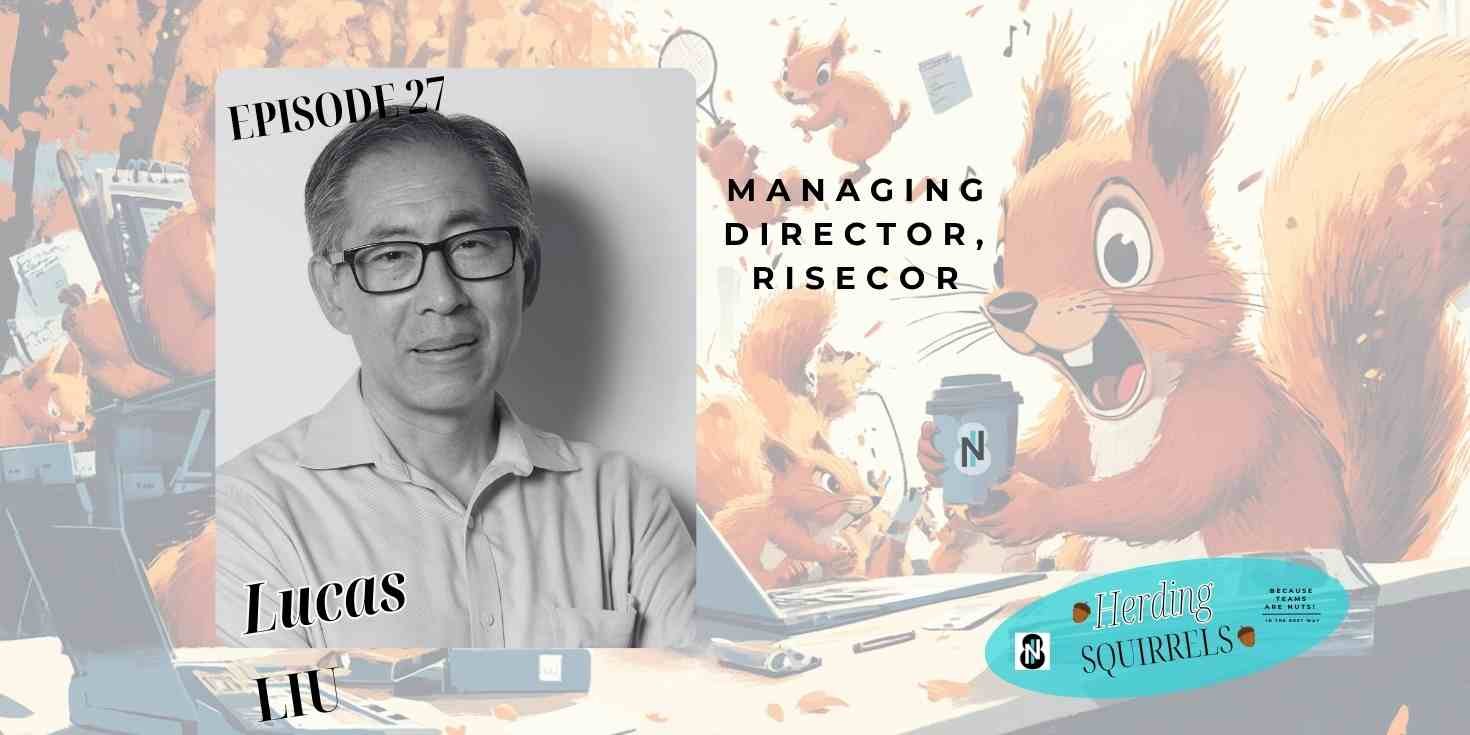
Why M&A Integrations Fail the People They Need Most
Lucas Liu is the Managing Director at Risecore, a boutique consulting firm specializing in M&A integration, carve-outs, exit readiness, and AI strategy for private equity firms and their portfolio companies. In this episode of Herding Squirrels, Lucas breaks down why so many integrations fall apart at the people level and what leaders can actually do about it before the cracks appear. If you're navigating an acquisition, advising one, or leading a team through serious organizational change, this conversation is direct and practical.
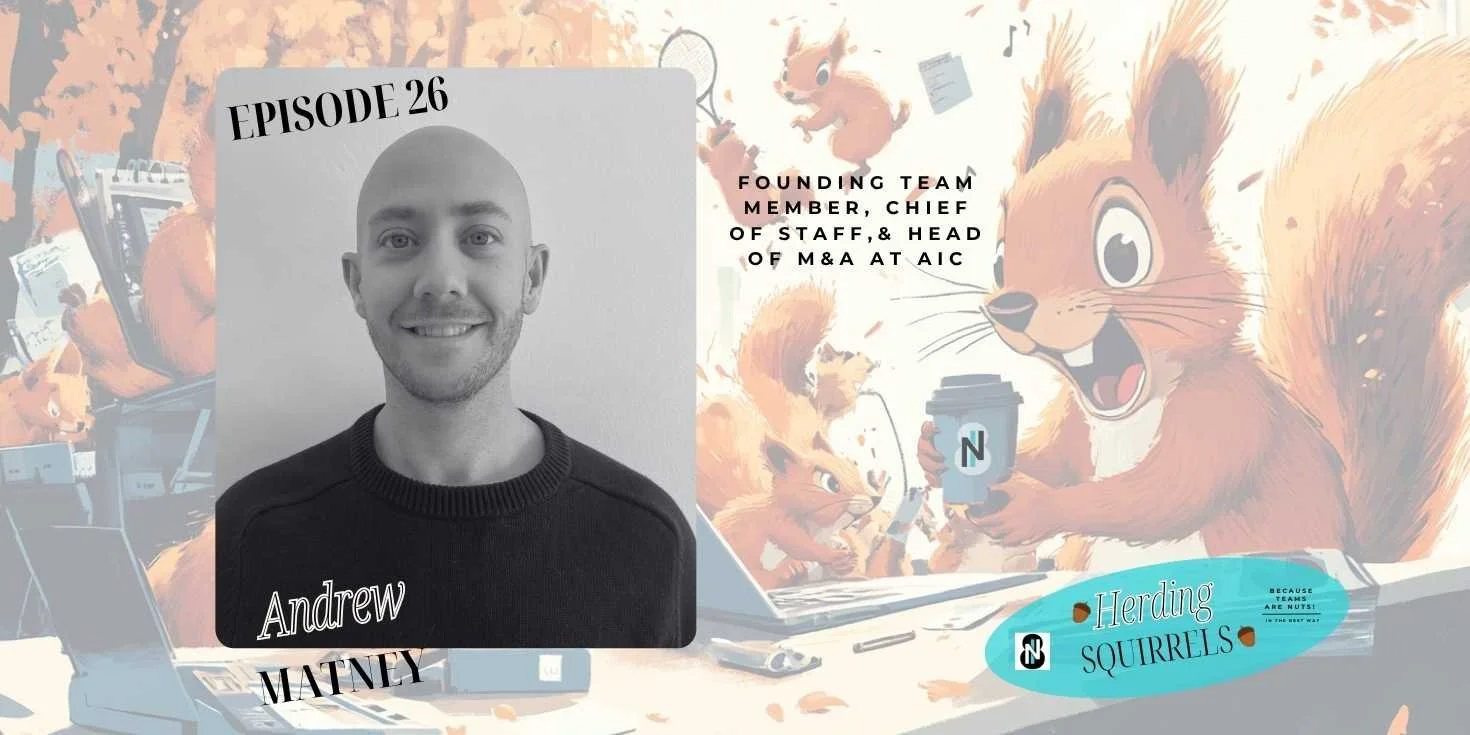
What Diligence Misses When the Team Can't Name How the Business Works
Andrew Matney is a finance, strategy, and M&A operator who has seen transactions from nearly every angle — lender, advisor, investor, and operator. In this episode of Herding Squirrels, he shares what gets missed when everyone is on their best behavior before the close, and why the real operating system of a founder-led business lives in decisions, not documents. If you're navigating a post-close integration or thinking about how to prep a company for acquisition, this conversation will change what you look for.
Resistance Is Data
Kamran Jahanshahi is the President and Founder of Peak Point Consulting, with 25 years of transformation leadership across Citibank, MetLife, and Walgreens Boots Alliance. In this episode of Herding Squirrels, Kamran breaks down what separates integrations that survive from ones that quietly fail, and why most organizations underinvest in the one part that determines the outcome: people. If you are leading a company through an acquisition or advising one that is, this conversation will sharpen how you think about operating models, leadership credibility, and why the resistance you are seeing is not a threat but a signal.
Your Team Is Doing Math In Every Meeting
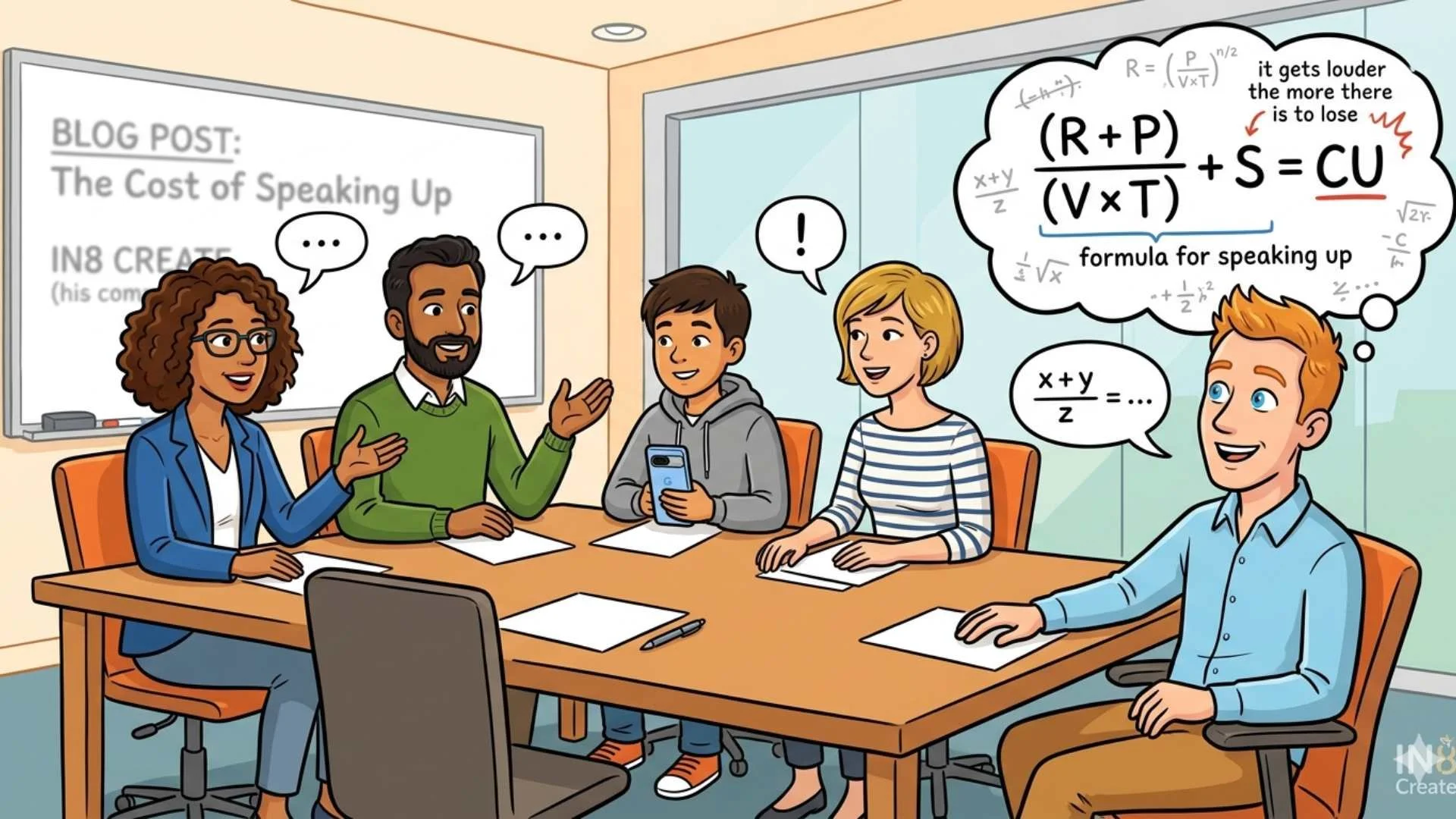
Your team runs a quiet formula before speaking up in any high-stakes meeting. The math is rational, the silence is not weakness, and somewhere in that formula is a variable for you. Here is what they are calculating, and how to change the answer.
Why 'We Need To' Never Works
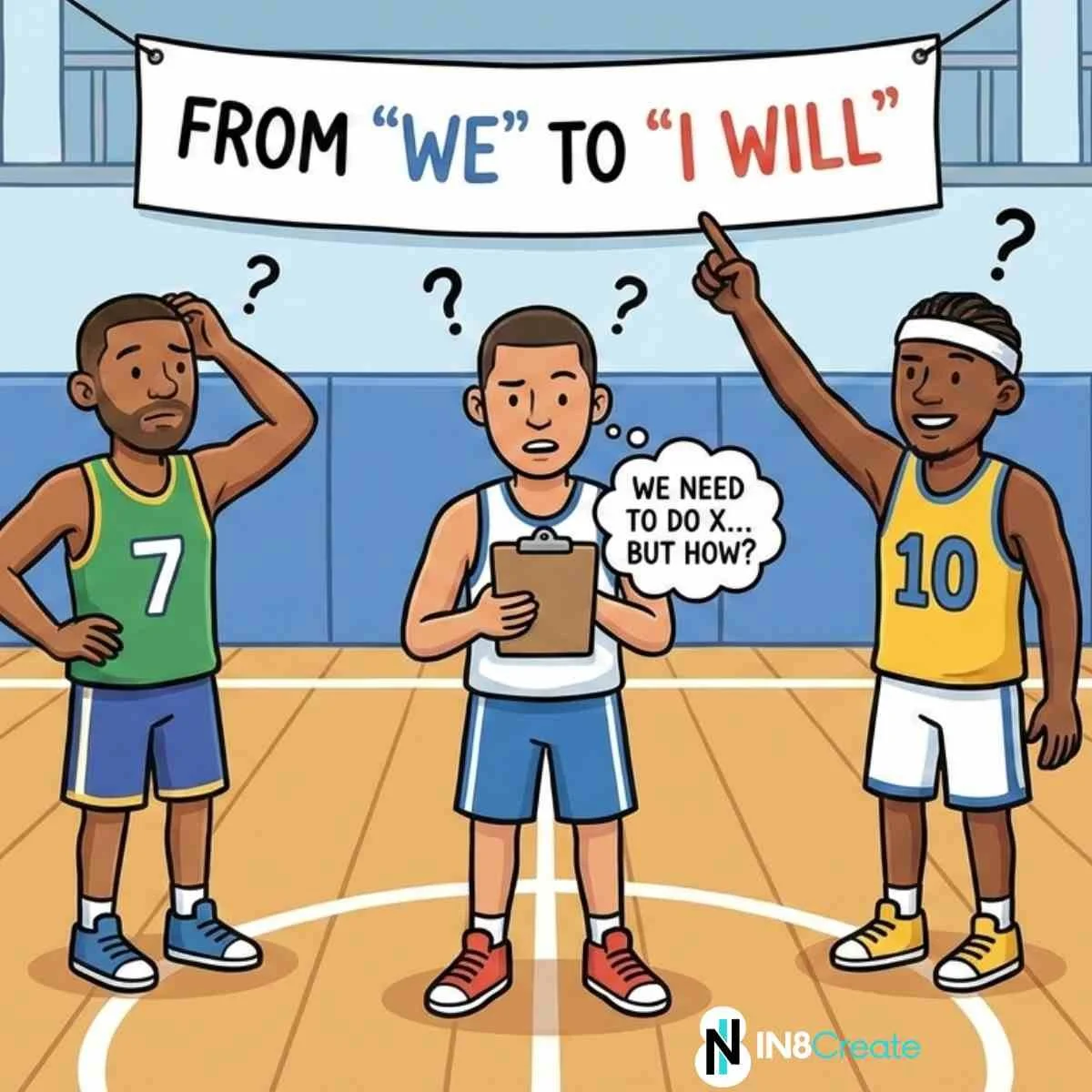
Everyone on my basketball team has great ideas. YouTube plays, motion offenses, elaborate strategies. None of it stuck—until we changed one word.

The Unspoken Expectations Killing Your Team
Your boss emails at 11:07 PM. Does she expect a response, or is she just working late? Your team is constantly guessing what you actually expect—and that guessing is quietly killing performance. One conversation about six specific questions can end the uncertainty forever.
Silence is Communication
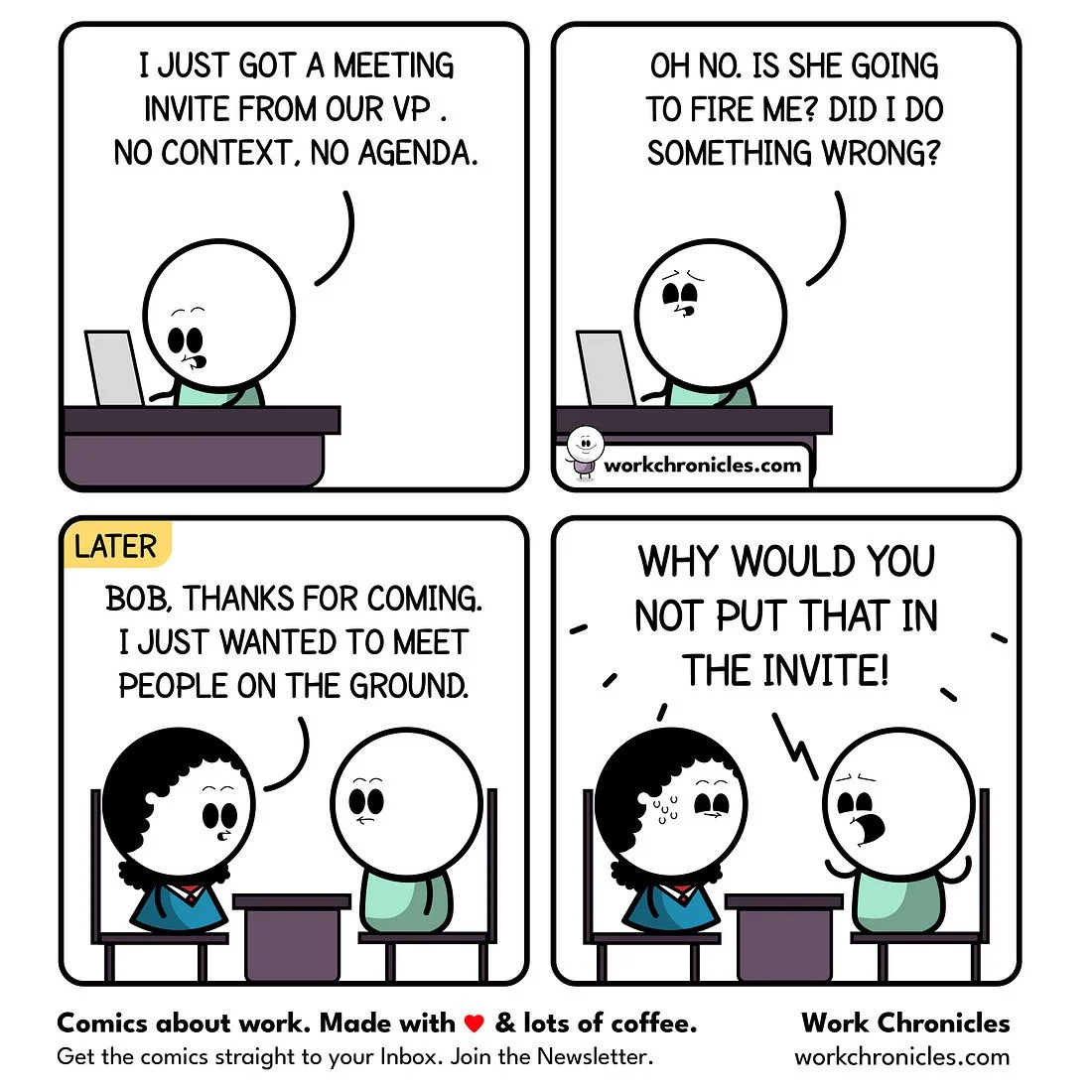
When leaders stay silent during organizational change, teams fill the information vacuum with worst-case assumptions. This triggers the brain's threat response, particularly around certainty - one of five domains in David Rock's SCARF model. Effective leaders communicate about uncertainty itself: acknowledge what's unknown, share what they do know, explain how decisions are being made, set update cadence, and give teams actionable steps.

Transform Your Organization Through Team-Powered Leadership
Most organizations approach leadership development backwards. They send individual managers to expensive training programs, hoping these solo experiences will somehow translate into organizational transformation. Meanwhile, the most powerful leadership laboratory sits right in front of them: their existing teams. The truth is, exceptional leaders aren't built in isolation—they're forged through the daily crucible of team collaboration, conflict, and collective problem-solving.
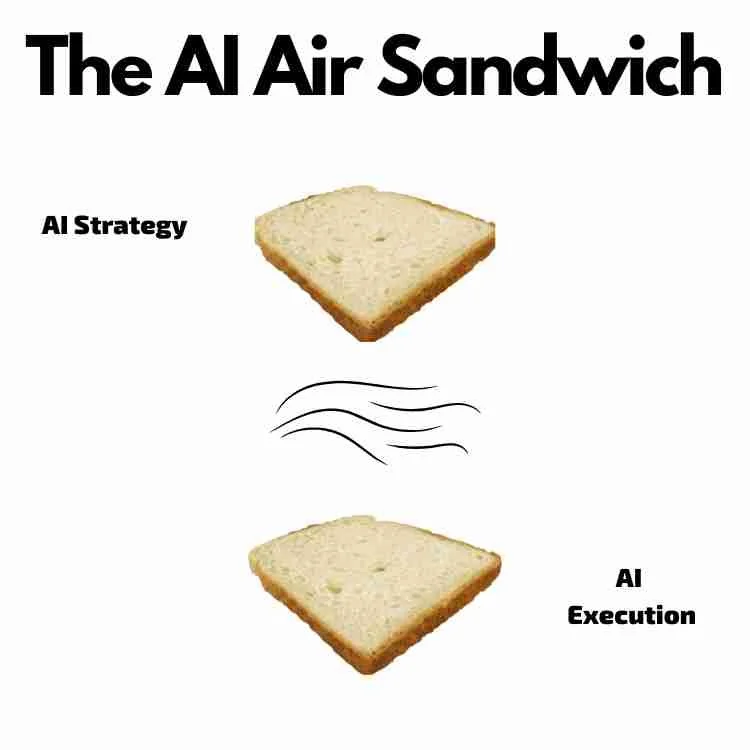
The Gap Between AI Strategy and AI Execution
Some people naturally excel with AI tools, while others struggle to find value. By framing AI adoption as exploratory—where LEARNING is the primary outcome—organizations can change the conversation entirely.

The Power of a Spotter in Team Meetings
By appointing a “spotter” in your team meetings—someone whose sole responsibility is to observe body language and verbal cues—you can ensure that these often-overlooked signals are captured and addressed in real-time. This role can help unearth key insights and balance the extrovert/introvert equation, ensuring everyone's perspectives are considered.i

Harnessing the Power of Competition in Team Building
In every team, competition inevitably emerges. Individuals often compete for the best idea, attention, or simply to satisfy their ego. This competitive spirit can be harnessed positively, transforming it into a driving force for innovation and problem-solving. The key lies in how we frame competition within the team dynamic.

Does Your Team Have an Air Sandwich Communication Challenge?
One of the biggest challenges that compounds the air sandwich effect is the level of domain expertise from a hierarchy lens. As leaders look at the forest, and operational staff looks at the trees. Someone has to figure out the transition between the two. The best fix? Finding common ground through empathy and understanding. True understanding from all levels allows for everyone to seek win-win scenarios because success is defined clearly for all.