
Insights

Stop Building an AI Strategy
You've read 47 AI posts this week. There's a reason. Festinger named it in 1954, and it's quietly running every AI rollout happening right now. When people are uncertain, they look at each other before they look at the tool. The leaders who get adoption right aren't the ones with the best strategy. They're the ones building the room where honest reactions can surface. Here's what that looks like.
Your Team Isn’t Disengaged
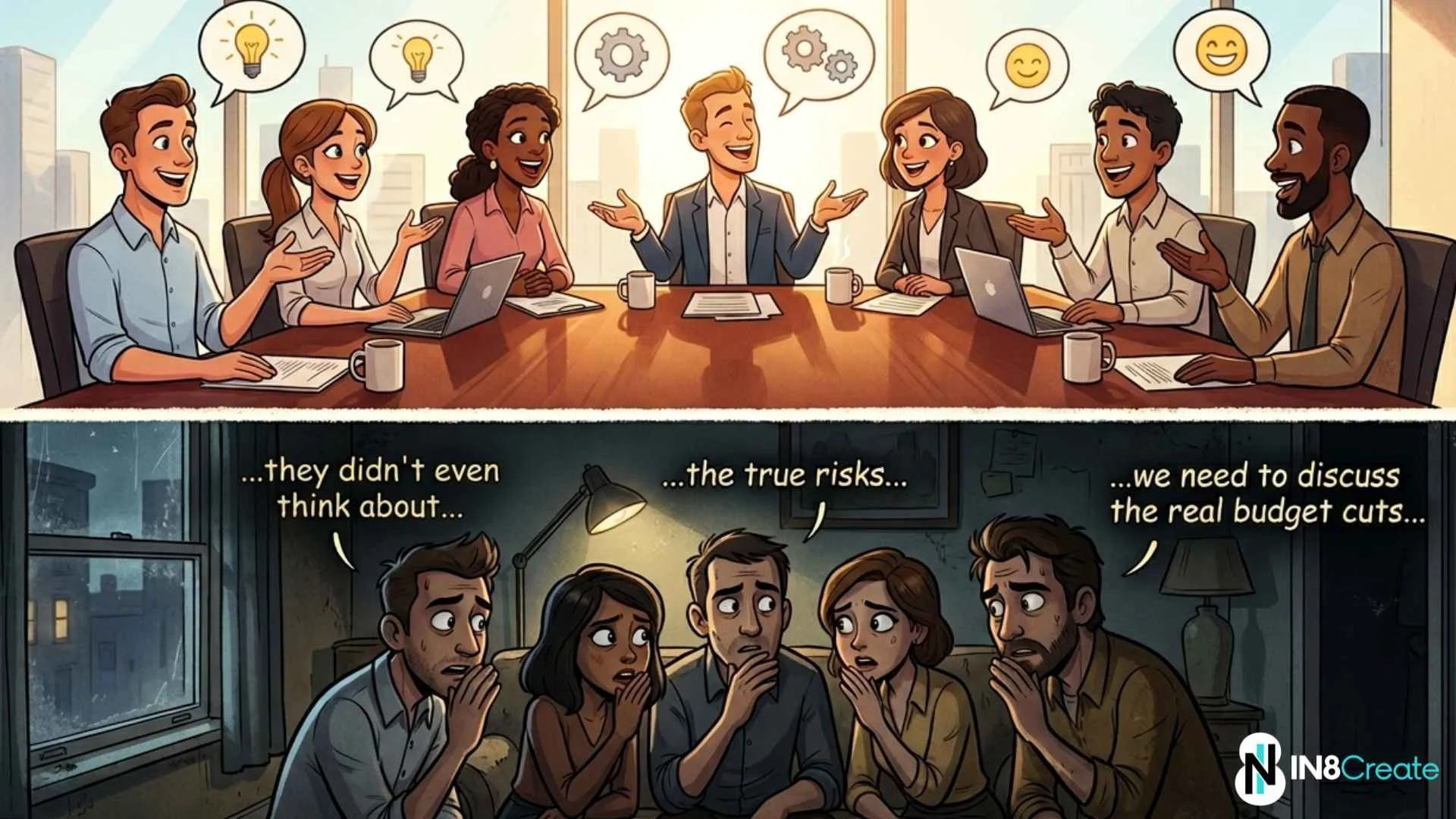
Your team looks aligned in the meeting. But the real conversation is happening somewhere else. Here are the three layers of silence and how to bring teams back.
Why 'We Need To' Never Works
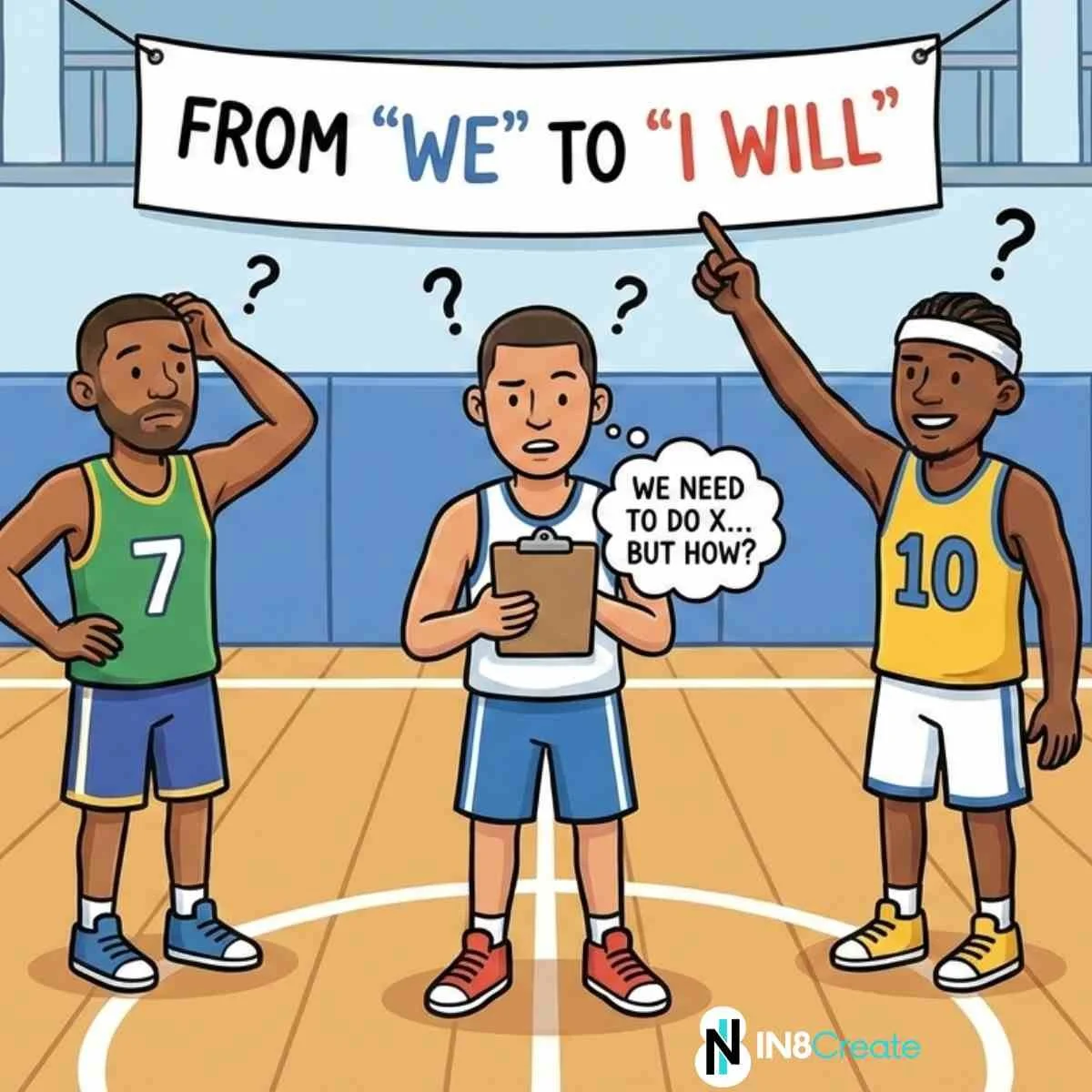
Everyone on my basketball team has great ideas. YouTube plays, motion offenses, elaborate strategies. None of it stuck—until we changed one word.
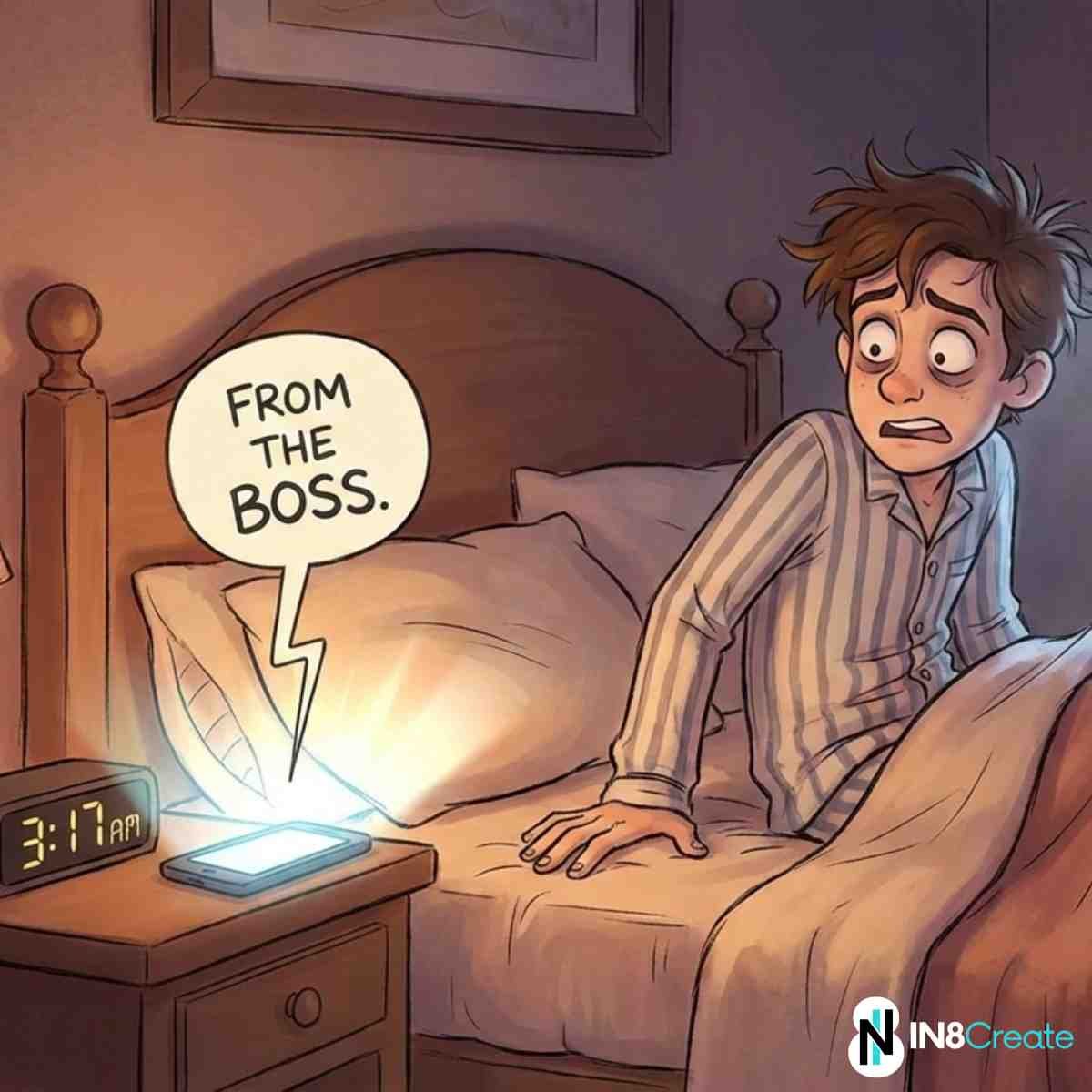
The Unspoken Expectations Killing Your Team
Your boss emails at 11:07 PM. Does she expect a response, or is she just working late? Your team is constantly guessing what you actually expect—and that guessing is quietly killing performance. One conversation about six specific questions can end the uncertainty forever.
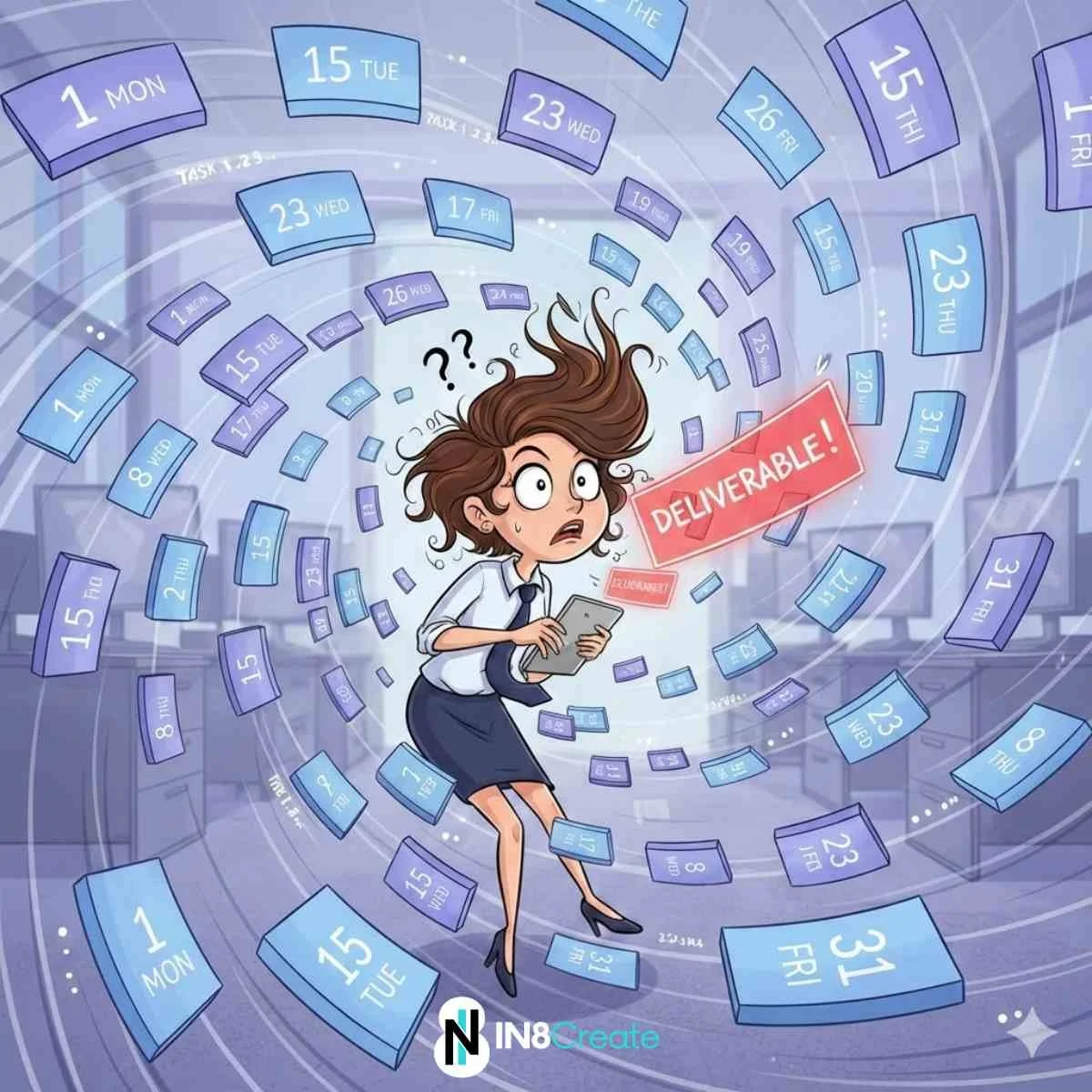
The Timeline That Couldn't Exist
You've been in that meeting where Engineering says eight weeks, Product counters with four, and everyone knows none of these numbers are real. When the same team members work across 50+ projects, they should be excellent at estimating—and they are. The problem isn't their ability to predict timelines; it's their inability to trust that honest estimates will be respected. So they adapt. They calculate what they actually need, add 40%, and deliver completely unrealistic numbers that implode the entire schedule. The timeline problem is actually a trust problem. And the trust problem is actually a leadership problem.

Why Team Buy-In Fails
Here's what you already know about your team: when you hand them the solution, they find seventeen reasons it won't work. When they build the solution themselves, they find seventeen ways to make it work better.

How to Choose the Right Workshop Format for Your Corporate Offsite
At IN8 Create, we're 100% outcome-focused. When your team spends time together, you should walk away with something concrete in addition to the insights and connection.
Think about it this way: instead of just learning about communication challenges, your team actually works through their specific communication blockers and creates agreements for how to handle them going forward.

Transform Your Organization Through Team-Powered Leadership
Most organizations approach leadership development backwards. They send individual managers to expensive training programs, hoping these solo experiences will somehow translate into organizational transformation. Meanwhile, the most powerful leadership laboratory sits right in front of them: their existing teams. The truth is, exceptional leaders aren't built in isolation—they're forged through the daily crucible of team collaboration, conflict, and collective problem-solving.

Stepping Forward - The Hidden Power of Team Commitment
The psychology behind this approach aligns perfectly with James Clear's insights on identity-based habits in his book "Atomic Habits." When we incorporate something into our identity – whether it's being a committed team player or a coachable athlete – our actions naturally flow from that self-image. It's no longer about forcing ourselves to follow rules; it's about staying true to who we've declared ourselves to be.

Team Engagement, Retention, and Experience, OH MY!
Engagement, Retention, and Experience, OH MY! This was the the theme of last nights joyful networking event. Some of the questions: 🤔 Build a model that shows what environments or conditions you have found to be most conducive to fostering employee engagement🤔💡 Build a model that that shows what strategies you have used to measure and improve retention rates🤔💡🤖 Build a model that shows how technology has transformed engagement, retention, and/or employee experience in your organization. This goes to show the power of LEGO Serious Play and how it can connect and engage both teams and people who don’t work together.

Defining Objectives for Team Off Site Meetings
Coming up with an objective is the most difficult part of what we do. This was true when I ran workshops and off-sites internally and continues in my client work today. Here is a tip - Use a pre-mortem approach when thinking about the outcomes. Imagine your offsite/workshop is over, and it was a grand success! What does it feel like? What are people saying? How does work change moving forward?

How Much Time Do You Spend Observing Your Team?
Try this out 🤔 ▶ Delegate an activity for someone else to run, something where everyone needs to share their input, possibly a brainstorm or something similar. 👀 Participate yourself, but spend your time also paying attention to how people are interacting. Not just the speaker but the team as a whole. The idea here isn't to spy or call people out (Don't do that!) Instead, look and listen. 👀Are people attentive? Supportive? Do they build off of one another or do they take their turn and shut down?