


Insights
Herding Squirrels Ep 23
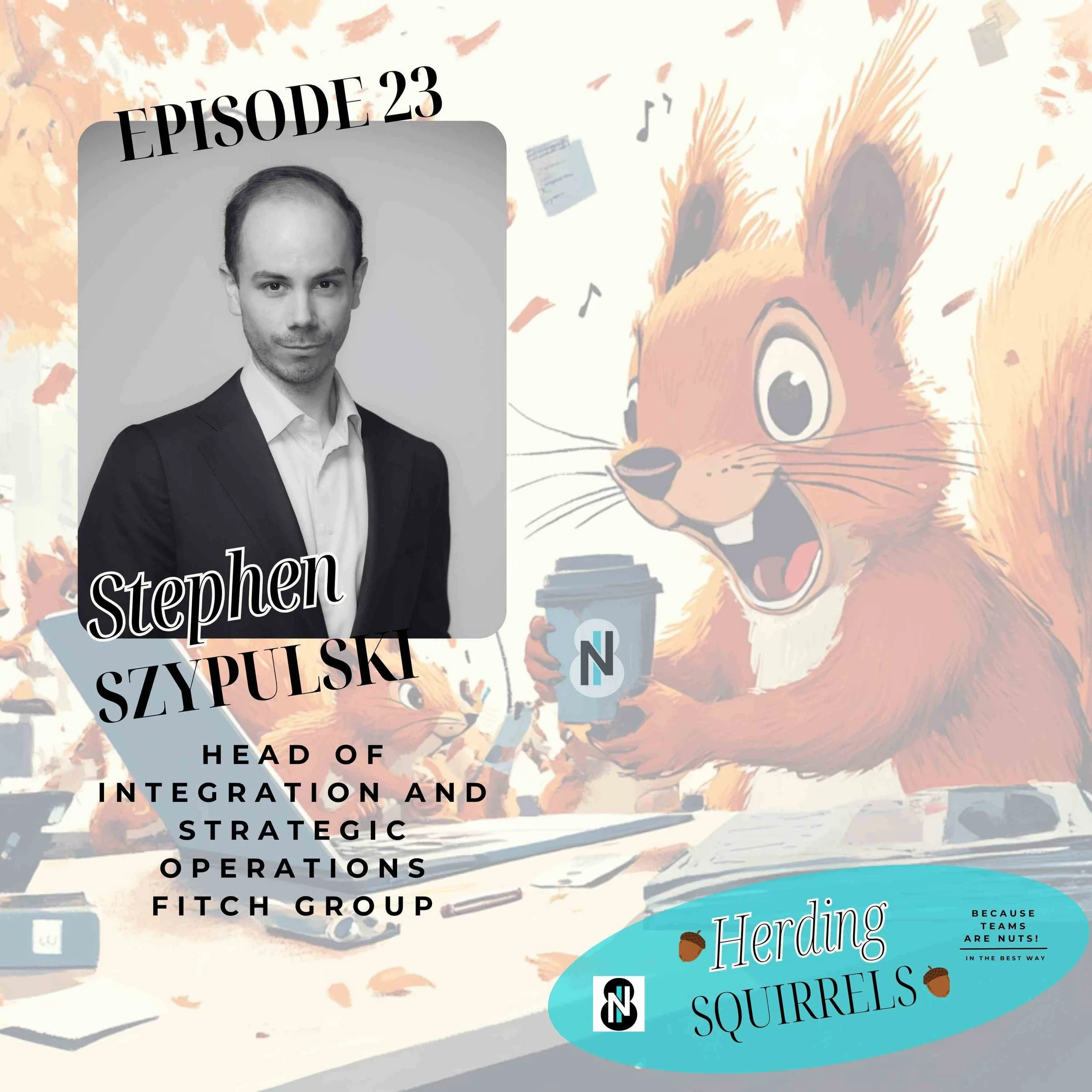
Stephen Szypulski leads post-acquisition integration at Fitch Learning, part of Fitch Group and Hearst Corporation, where the business serves more than 100,000 learners across over 100 countries. In this episode of Herding Squirrels, he walks through why so many M&A deals lose value after close, what actually breaks first when an integration plan meets reality, and why the work of integration is fundamentally about shepherding velocity without pushing the organization into shock. If you are leading change, integrating teams after an acquisition, or running an AI rollout that is starting to look like a merger, this conversation will give you a clearer way to think about people, culture, and the parts of the deal that never show up in the model.
Why Your Team Doesn't Work Like You
You like deep focus, so the team must want quiet hours. You think on your feet, so the team must love brainstorms. You keep going until it's done, so the team must respect the grind. Except they don't. Here's how to stop projecting your operating system onto your team and build the foundation an unstoppable team actually needs.

Stop Building an AI Strategy
You've read 47 AI posts this week. There's a reason. Festinger named it in 1954, and it's quietly running every AI rollout happening right now. When people are uncertain, they look at each other before they look at the tool. The leaders who get adoption right aren't the ones with the best strategy. They're the ones building the room where honest reactions can surface. Here's what that looks like.

Your Teams Don't Have a Personality Problem
Every organization has the same fight. Sales thinks engineering is inflexible. Engineering thinks sales is reckless. Product thinks everyone is slow. But the personality labels are a symptom, not the cause. The real problem is that no one ever named the shared goal that makes all their individual goals matter.
Your Team Isn’t Disengaged
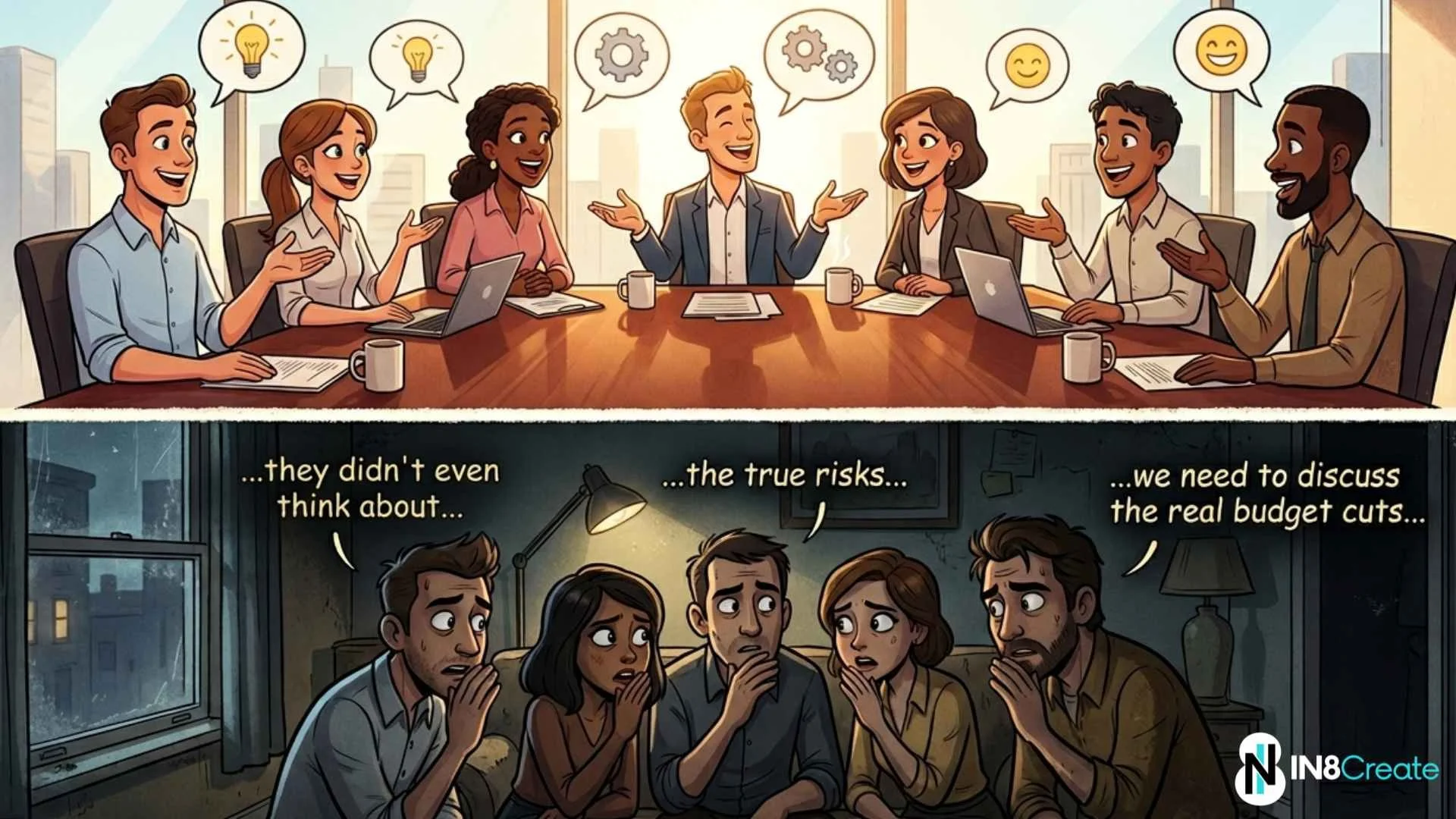
Your team looks aligned in the meeting. But the real conversation is happening somewhere else. Here are the three layers of silence and how to bring teams back.
Why Your Team Navigates Change Alone
Your team is already comparing themselves to each other during change. They're just doing it silently, with bad data. Here's what happens when you make it visible.

Herding Squirrels Ep 22
What actually happens to people after an acquisition closes? Anne-Marie Mills has lived it twice — first as HR lead when Algorithmia was acquired in 2021, and again in a more recent transition spanning teams from Seattle to Eastern Africa. In this episode, Anne-Marie walks through both experiences with real honesty: the early excitement, the culture shock six months in, the attrition nobody stopped, and what she wished leadership had done differently. If you work in people operations, run a team through any kind of organizational change, or have ever wondered why the talent you acquired seems to quietly disappear, this conversation is the post-mortem you didn't know you needed.

Herding Squirrels Ep 21
Frédéric Rivain is the CTO at Dashlane, a leading cybersecurity company — which means when AI coding tools started flooding the market, his team had more reasons to be skeptical than most. In this episode of Herding Squirrels, Frédéric walks us through how Dashlane built real AI adoption across an engineering org that had legitimate security concerns about the tools, why the hardest part of the rollout was never the technology, and what leaders get wrong when they treat AI adoption as a deployment problem instead of a people problem. If you’re leading a team through an AI transition right now, this conversation is the honest version of what that actually looks like from the inside.
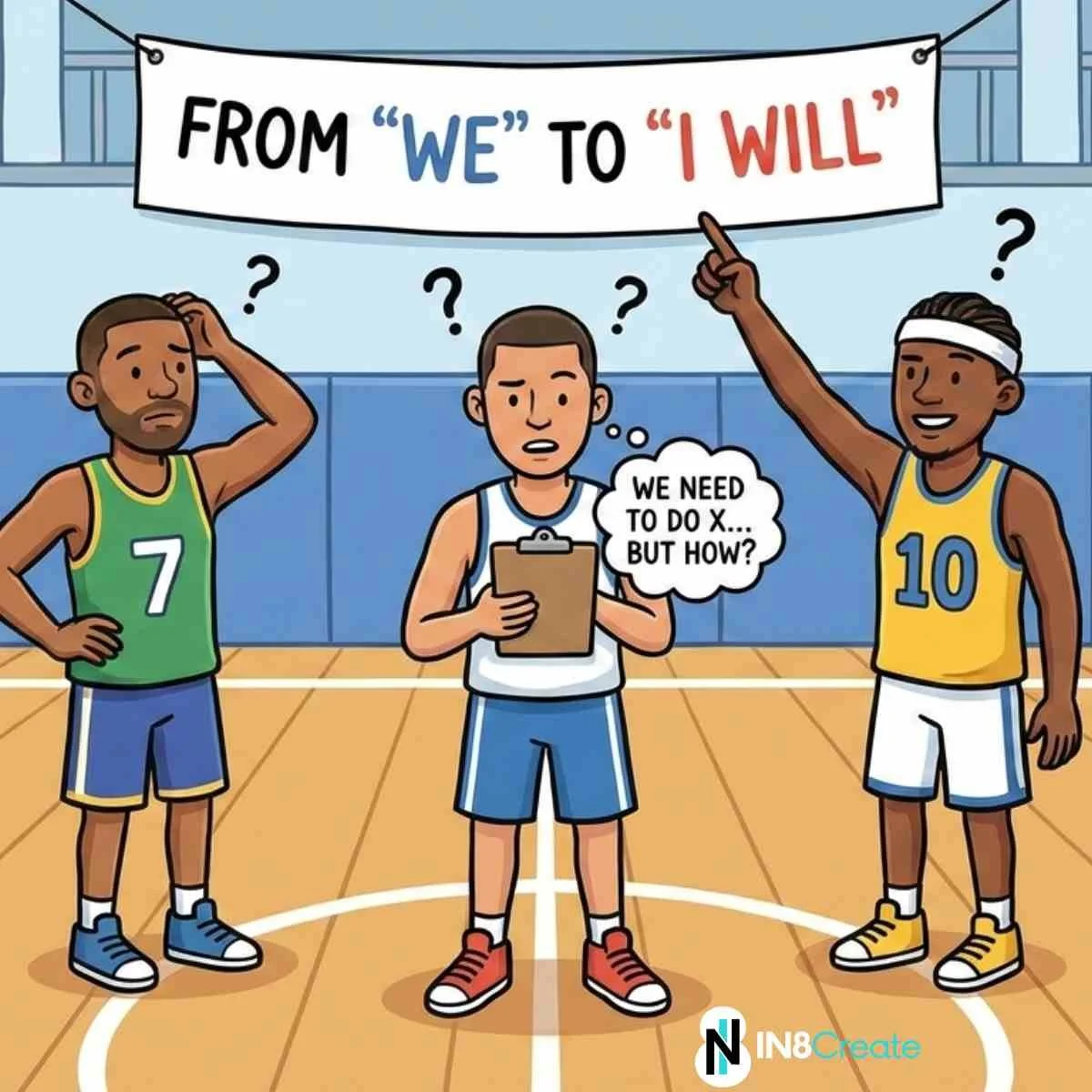
Why 'We Need To' Never Works
Everyone on my basketball team has great ideas. YouTube plays, motion offenses, elaborate strategies. None of it stuck—until we changed one word.
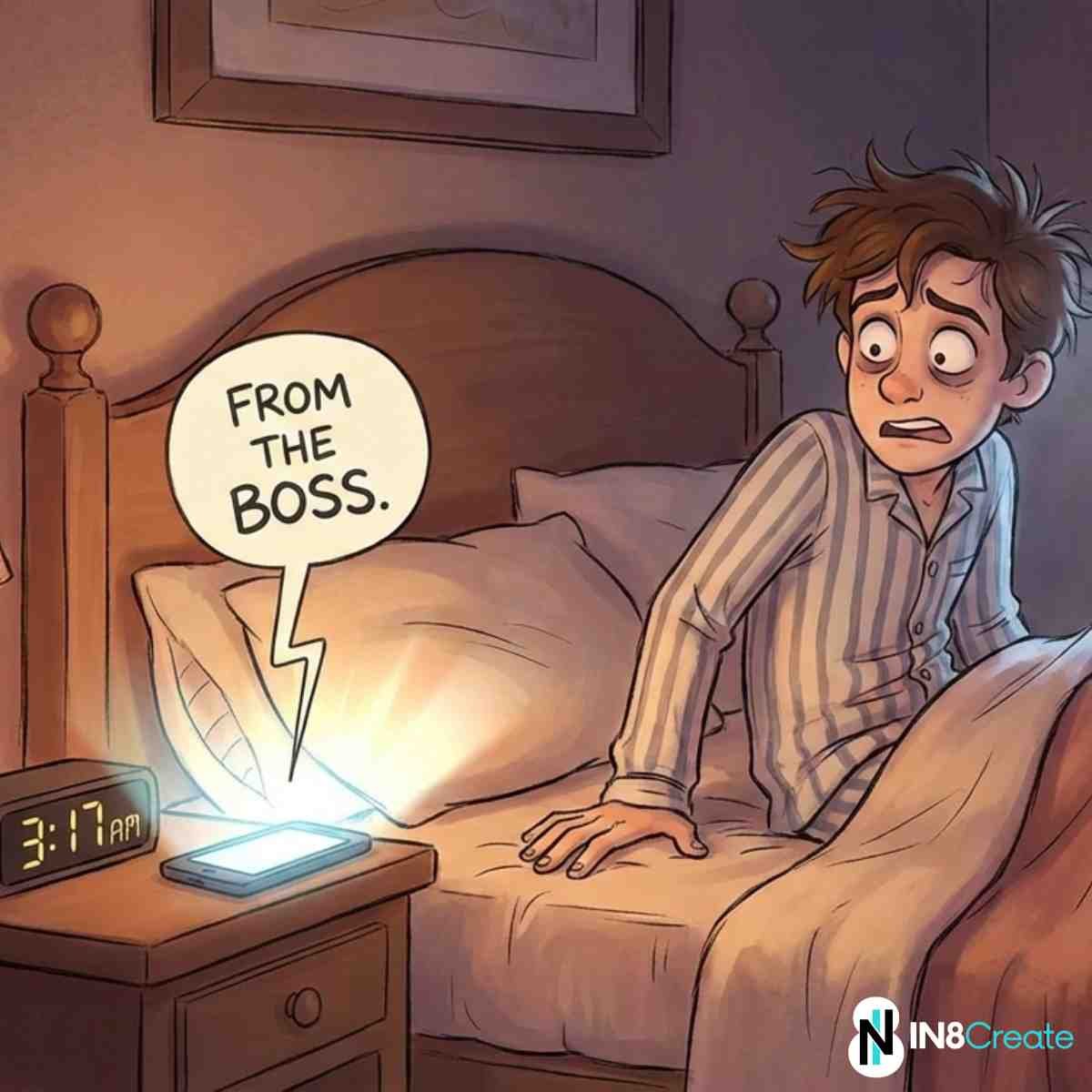
The Unspoken Expectations Killing Your Team
Your boss emails at 11:07 PM. Does she expect a response, or is she just working late? Your team is constantly guessing what you actually expect—and that guessing is quietly killing performance. One conversation about six specific questions can end the uncertainty forever.
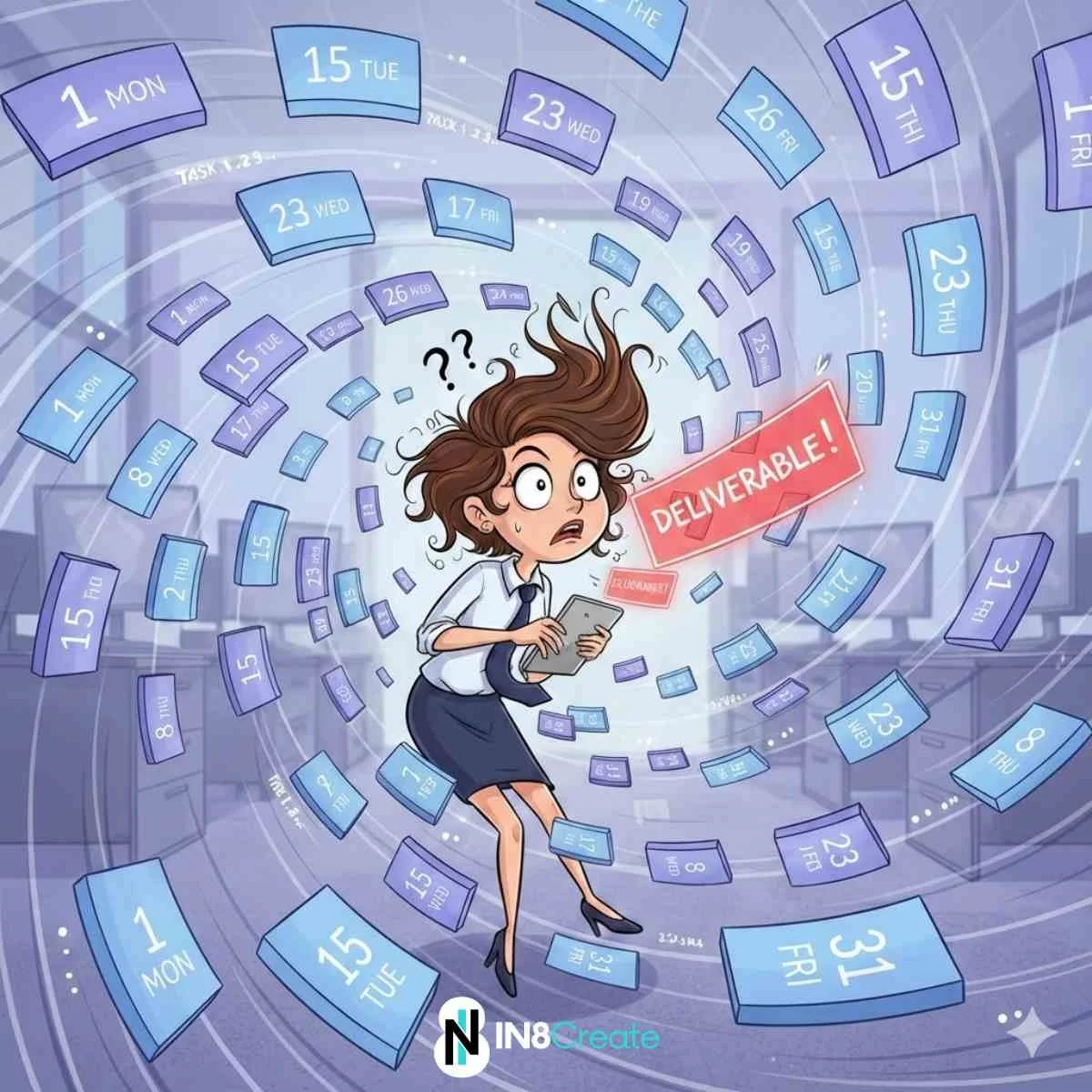
The Timeline That Couldn't Exist
You've been in that meeting where Engineering says eight weeks, Product counters with four, and everyone knows none of these numbers are real. When the same team members work across 50+ projects, they should be excellent at estimating—and they are. The problem isn't their ability to predict timelines; it's their inability to trust that honest estimates will be respected. So they adapt. They calculate what they actually need, add 40%, and deliver completely unrealistic numbers that implode the entire schedule. The timeline problem is actually a trust problem. And the trust problem is actually a leadership problem.

The Sliver Problem
Are you tired of circular conversations that never solve the real issue? It's like having a sliver—you can grab the top part, but the source of pain is buried deep beneath the surface. Most teams are being polite, lacking the language or methods to address the real conflict. In this post, you'll learn six practical ways to unearth buried team issues, from defining the actual problem to mapping conflicting goals with a 2x2 matrix. Plus, discover how we use LEGO Serious Play to help teams solve these problems in a psychologically safe way.